标签: 中考英语阅读理解双语对照阅读

【中考英语阅读理解双语对照阅读】英语阅读理解在英语考试中得分比例很大,这里整理了一些中考英语阅读理解的双语阅读文章,供大家参考学习。

  • 电梯“关门”按钮竟是假的?假按钮背后的心理慰藉

    文章指出美国电梯的“关门”按钮多为假按钮,旨在保障残疾人通行时间。心理学家认为这类假按钮虽无实际功能,却能给人掌控感、缓解压力。类似设计还存在于温控器和交通灯按钮中。即便知道是“善意的谎言”,人们仍乐于按压,因为等待时此举能带来心理安慰,只要最终达到目的便觉得值得。

    When taking an elevator, do you often push the “Close” button? You hope by pushing it, the elevator door will close faster. But what if the button is actually fake(假的)?
    坐电梯时,你经常按“关门”按钮吗?你希望按下它能让电梯门更快关闭。但如果这个按钮其实是假的呢?

    Karen Penafiel is the executive director(执行董事) of the US’ National Elevator Industry. She said that elevators’ “close” buttons are a complete trick, at least in the US, and that doors will not close any faster despite how hard you push.
    凯伦·佩纳菲尔是美国国家电梯行业的执行董事。她说,电梯的“关门”按钮完全是个骗局——至少在美国是这样——无论你多么用力按,门都不会关得更快。

    In the 1990s the Americans with Disabilities Act (《美国残疾人法案》) was passed in the US. It means all elevators have to stay open long enough to allow disabled people to enter. Only US firefighters and elevator workers can really use the buttons with special keys.
    20世纪90年代,美国通过了《美国残疾人法案》。这意味着所有电梯必须保持开启足够长的时间,以便残疾人进入。只有美国消防员和电梯工作人员才能用特殊钥匙真正使用这些按钮。

    But the buttons aren’t completely useless. According to psychologists(心、理学家), fake buttons can make you feel better. They give you a sense of control that can help reduce stress. That’s why some other buttons in our lives are fake, too,
    但这些按钮并非完全无用。根据心理学家的说法,假按钮能让你感觉更好。它们赋予你一种掌控感,有助于减轻压力。这就是为什么我们生活中其他一些按钮也是假的。

    ■For example, many offices in the US have fake thermostats(温控器). People may feel better when they think they can control the temperature in their workspace.
    ■例如,美国许多办公室装有假温控器。当人们认为自己能控制工作空间的温度时,可能会感觉更好。

    You were told that traffic light buttons could help make the traffic signals change faster. But they may not really work either.
    有人告诉你,交通信号灯按钮可以帮助让信号灯更快切换。但它们可能也并不真正起作用。

    However, even when people know these little “white lies”, they still push fake buttons. As long as the doors finally close, it seems worthy.
    然而,即使人们知道这些小小的“善意的谎言”,他们仍然会去按那些假按钮。只要门最终关上了,似乎就值得了。

    John Kounios is a psychology professor at Drexel University in the US. He told The New York Times that he always pushes the traffic light buttons. “After all, I’ve got nothing else to do while waiting. So why not push the button on the off chance that this one will work?”
    约翰·库尼奥斯是美国德雷塞尔大学的心理学教授。他告诉《纽约时报》,他总是按交通信号灯按钮。“毕竟,等待的时候我无事可做。那为什么不按一下按钮,万一这次真的有用呢?”
  • 一堂关于乐观的人生课

    本文讲述一位经济学教授在课堂上分享自己积极心态的故事。他的车在去上课途中抛锚,但他认为这是幸运日,因为故障发生在离学校步行可达之处,未耽误教学。他借此告诉学生,每天都可以选择以乐观态度面对生活。这个故事深深触动了学生们,传递了主动选择快乐、积极应对困境的人生态度。

    I teach economics in a university three times per week.
    我每周在大学里教三次经济学。

    Last Monday, at the beginning of class, I asked my students how their weekend had been.
    上周一,在上课开始时,我问学生们周末过得怎么样。

    One young man said that his weekend had not been so good.
    一个年轻人说他的周末过得不怎么好。

    He had his wisdom teeth removed.
    他拔了智齿。

    Then he went on to ask me why I always seemed to be so cheerful.
    接着他又问我,为什么我总是看起来那么快乐。

    His question reminded me of something I’d read somewhere before: Every morning when you get up, you have a choice about how you want to live that day.
    他的问题让我想起以前在某处读过的一句话:每天早晨醒来时,你都可以选择如何度过这一天。

    I said, “I choose to be cheerful.”
    我说:“我选择快乐地生活。”

    “Let me give you an example,” I continued.
    “让我给你们举个例子吧,”我继续说道。

    “Besides teaching here, I also teach at a college in Henderson, 17 miles down the freeway from where I live.”
    “除了在这里教书,我还在亨德森的一所学院任教,从我家沿高速公路过去有17英里。”

    “One day a few weeks ago, I exited the freeway and turned onto College Drive.”
    “几周前的一天,我驶下高速公路,拐上了学院路。”

    “I only had to drive another quarter mile down the road to the college.”
    “沿着这条路再开四分之一英里就到学院了。”

    “But just then my car died.”
    “可就在那时,我的车突然熄火了。”

    “I tried to start it again but the engine wouldn’t work.”
    “我试着重新启动,但发动机怎么也打不着。”

    “So I put my flashes on, took my books, and walked down the road to the college.”
    “于是我打开双闪灯,拿起书本,沿着路走到了学院。”

    “As soon as I got there, I called AAA and asked for a tow truck to meet me at my car after class.”
    “一到学校,我就打电话给汽车协会,请他们在课后派拖车到我的车那里去。”

    “The secretary there asked me what had happened.”
    “接线秘书问我发生了什么事。”

    “‘This is my lucky day,’ I replied, smiling.”
    “‘今天是我的幸运日,’我笑着回答。”

    “‘Your car breaks down and today is your lucky day? What do you mean?’”
    “‘你的车坏了,今天还是你的幸运日?这是什么意思?’”

    “‘My car could have broken down anywhere along the freeway. It didn’t,’ I replied.”
    “‘我的车本来可能在高速公路上的任何地方抛锚,但它没有,’我回答道。”

    “‘Instead, it broke down at the perfect place: off the freeway, within walking distance of here.’”
    “‘相反,它在一个最完美的地方坏了:下了高速,离这里只有步行可达的距离。’”

    “‘I’m still able to teach my class, and I’ve been able to ask for the tow truck to meet me after class!’”
    “‘我仍然能正常上课,而且还能安排拖车在课后来接应我的车!’”

    “‘If my car was meant to break down today, it couldn’t have been arranged in a more convenient way.’”
    “‘如果我的车注定要在今天坏掉,那恐怕再也找不到比这更方便的安排方式了。’”

    I ended my story.
    我讲完了这个故事。

    In spite of the early hour, no one in my class seemed to be asleep.
    尽管时间尚早,班上似乎没有一个人犯困。

    Somehow, my story had touched them.
    不知怎的,我的故事触动了他们。

  • 妈妈的人生食谱

    本文讲述了母亲用一生践行独特“人生食谱”的故事。她始终以微笑和善意对待陌生人,甚至改变了老年巴士上沉默的氛围。作者从年少时的尴尬转变为钦佩,并在母亲离世后继承了这份以友善待人、以身作则的生活智慧,让温暖得以延续。

    Mom’s Recipe for Life
    妈妈的人生食谱

    I have a lot of Mom’s recipes in a blue box where all my special ones were put, like the pumpkin pie she made during my growing up years.
    我有很多妈妈的食谱,都放在一个蓝色盒子里,里面装着我特别珍视的那些,比如我成长岁月里她做的南瓜派。

    Even so, the recipe I treasure most is not on any index card, nor did she send it to me in a letter.
    即便如此,我最珍视的那份“食谱”并不在任何索引卡上,她也没有通过信件寄给我。

    Instead, she lived this recipe all of her life.
    相反,她用一生践行了这份“食谱”。

    My mother grew up in a small coal mining town in southwest Iowa.
    我的母亲在爱荷华州西南部的一个小型煤矿小镇长大。

    My grandfather once told me that she knew no stranger; she considered everyone in that community her friend.
    我的祖父曾告诉我,她不认识陌生人;她把那个社区里的每个人都当作朋友。

    That attitude continued wherever she lived for the rest of her life.
    这种态度伴随她余生无论住在何处。

    As a teen, I was embarrassed (尴尬的) every time my mother talked to strangers and offered a smile to everyone in the store or on the city bus.
    青少年时期,每次母亲和陌生人交谈、对商店或公交车上的每个人微笑时,我都感到尴尬。

    Almost all of them responded (回应) with a bright smile of their own.
    几乎所有人都以灿烂的笑容回应她。

    Some spoke, others nodded their heads at this elderly woman who brought a little light into their day.
    有些人会说话,其他人则向这位为他们的日子带来一丝光明的老妇人点头致意。

    What really sold me on Mom’s approach to life was her experience on the senior bus.
    真正让我信服妈妈生活态度的,是她在老年巴士上的经历。

    The weeks I could not be there, she used this low-cost transportation to the grocery store.
    在我无法陪伴她的几周里,她利用这种廉价交通工具去杂货店。

    After her first trip, I asked her how it went.
    第一次乘车后,我问她情况如何。

    “Ha!” she said, “I got on that bus and what did I see? Thirteen little old ladies and one old man, and not one word was spoken.”
    “哈!”她说,“我上了那辆巴士,看到了什么?十三个小老太太和一个老头子,没人说一句话。”

    I wondered how long it would be until the silence on that bus would change.
    我在想,巴士上的沉默还要持续多久才会改变。

    On my next visit, Mom mentioned the 13 little old ladies on the bus and something one of them had told her.
    下次我去看她时,妈妈提到巴士上的13位小老太太,以及其中一人告诉她的话。

    “Oh, are you talking with them now?” I asked.
    “哦,你现在跟她们说话了吗?”我问。

    “Of course,” she said. “One day I climbed up the steps of the bus and before I looked for a seat, I gave them a big smile and I said, ‘Isn’t it a wonderful day?’ I noticed a few shy smiles.”
    “当然,”她说。“有一天我走上巴士台阶,还没找座位,我就给了她们一个大大的笑容,说:‘今天不是美好的一天吗?’我注意到几个害羞的微笑。”

    Mom didn’t give up. She greeted them all each time she got on the bus and before long, the whole group was laughing and talking to one another.
    妈妈没有放弃。每次上车她都问候所有人,不久之后,整个群体开始互相谈笑风生。

    The bus became more than just transportation.
    巴士不再仅仅是交通工具。

    When we went to the various stores, I watched as she smiled and chatted with perfect strangers.
    当我们去各家商店时,我看着她对着完全陌生的人微笑聊天。

    Some of them looked like the poorest person you’d ever met, but once Mom smiled at them and started a conversation, most responded favorably.
    他们中有些人看起来像是你见过最贫穷的人,但只要妈妈对他们微笑并开启对话,大多数人都会积极回应。

    My mother didn’t embarrass me any longer. I found myself admiring her.
    母亲再也不让我感到尴尬了,我发现自己开始钦佩她。

    She’s been gone for ten years but I’ve carried on her recipe for life.
    她已离开十年,但我一直延续着她的人生“食谱”。

    It was me who had done the smiling first and all those people had responded.
    是我先露出笑容,而所有那些人都给予了回应。

    My mother didn’t lecture but taught me by example.
    母亲从不训诫,而是以身作则教导我。

    She’d given me a recipe for life.
    她给了我一份人生的食谱。

  • 大脑对文学与音乐的情绪共鸣

    一项研究通过核磁共振扫描发现,阅读情感丰富的文本时,大脑愉悦奖励区域的反应与听音乐时的兴奋感相似。此外,读诗会激活与内省相关的默认网络。这表明文学与音乐在情绪反应上有共通之处,且不同文本激活的脑区各异,为后续研究留下了诸多未解之谜。

    A research study has looked into what happens inside your brain while you read and listen to music.
    一项研究调查了当你阅读和听音乐时,大脑内部会发生什么。

    You know that thrill(兴奋)you get when listening to your favorite music? That exciting feeling when you hear your favorite songs? According to a recent study, it seems the same thing can happen while you are reading, but not with every kind of text. This opens up interesting questions around how music, reading and emotions are connected in the brain.
    你知道听最喜欢的音乐时那种兴奋感吗?听到最爱歌曲时那种激动的心情?根据最近的一项研究,这种感受在阅读时也可能发生,但并非所有类型的文本都能引发它。这引发了关于音乐、阅读与情绪如何在大脑中相互关联的有趣问题。

    The study
    这项研究

    “We decided we would do a comparison between four or five different kinds of texts to see how the brain reacted,” explains Adam Zeman, a scientist. “The participants (参与者) lay in an MRI scanner reading the texts, and then we compared brain activity for those five texts.” The texts ranged (涉及) from deadly boring ones to highly exciting ones, including the Highway Code, parts from novels, and poems.
    “我们决定比较四到五种不同类型的文本,看看大脑会如何反应,”科学家亚当·泽曼解释道。“参与者躺在核磁共振扫描仪里阅读这些文本,然后我们比较了这五种文本对应的大脑活动。”这些文本范围从极其枯燥到高度刺激,包括《公路法规》、小说片段和诗歌。

    So what happened in the participants’ brains while they were reading?
    那么,当参与者阅读时,他们的大脑里发生了什么?

    Emotional reaction
    情绪反应

    As the researchers observed, participants found some texts more emotional than others. When reading these emotional texts, there was higher activity in brain areas related to pleasure and reward—the same areas related to the thrill we get when we listen to music. As Zeman says, “it perfectly shows that the emotional reaction to literature(文学) and to music has quite a bit in common. That doesn’t seem to matter whether you are listening or reading if you get a thrill. That was one quite strong finding.”
    正如研究人员所观察到的,参与者发现某些文本比其他文本更具情感色彩。阅读这些富有情感的文本时,与愉悦和奖励相关的大脑区域活跃度更高——这些区域也与我们听音乐时获得的兴奋感有关。正如泽曼所说:“这完美地表明,对文学和音乐的情绪反应有很多共同点。无论你是在听还是在读,只要感到兴奋,似乎并不重要。这是一个相当有力的发现。”

    Introspection(内省)
    内省

    There were more interesting findings. Reading poetry is often considered an activity that requires us to use the brain, but did the study find any truth of this? When the participants were reading poems, the team found there was more activity in a particular group of brain areas called the Default Network. “These areas seem to be related to things we do with our minds when we are resting, like thinking about what’s happened to us recently, thinking about what’s going to happen in the near future, about other people, and that network seems to be more strongly related to poetry than with other texts,” explains Zeman. This connection between poetry and introspection could be the subject of further research.
    还有更多有趣的发现。人们常认为读诗是一种需要动脑筋的活动,但这项研究是否证实了这一点?当参与者阅读诗歌时,研究团队发现一组被称为“默认网络”的特定脑区活动更活跃。“这些区域似乎与我们在休息时用大脑做的事情有关,比如回想最近发生的事、思考不久的将来会发生什么、考虑他人等,而这个网络似乎比与其他文本相比,与诗歌的联系更强,”泽曼解释道。诗歌与内省之间的这种联系可能成为进一步研究的主题。

    Conclusions
    结论

    The study shows that the different texts activate different areas of our brains when we read. Zeman says, “the study did support what we thought: reaction to literature was going to be a bit like the one to music in terms of emotion. We felt that we ended up with a great deal of unanswered questions which we hope somebody will continue to ask.”
    研究表明,当我们阅读不同类型的文本时,它们会激活大脑的不同区域。泽曼说:“这项研究确实支持了我们的想法:在情绪层面,人们对文学的反应会与对音乐的反应有些相似。我们觉得最终留下了大量未解之谜,希望有人能继续追问这些问题。”

  • 摆脱物质束缚,重获人生自由

    本文倡导将极简主义作为新年决心,指出过度消费并未带来真正幸福。文章建议通过清理衣橱、限制购物、减少科技依赖及明确人生目标等方式实践极简生活。这种精简并非减少幸福,而是让人摆脱物质束缚,获得自由去专注生命中真正重要的人与事,从而实现更充实的人生。

    After the holiday season, our guess is that you are tired from visiting the store and buying gifts.
    假期过后,我们猜你因逛商店和买礼物而疲惫不堪。

    It is easy to get stuck, both spiritually and physically by having too much.
    拥有太多东西,很容易让人在精神和身体上都陷入困境。

    This is why minimalism and living simply should be your resolution for 2018.
    这就是为什么极简主义和简单生活应该成为你2018年的新年决心。

    Economic development results in a lot of consumerism: get a good job, get a nice car, and settle into a beautiful house.
    经济发展导致了大量的消费主义:找份好工作,买辆好车,然后住进漂亮的房子。

    But some people say that our lives could use a little lightening these days: We work and work and work to only buy and buy and buy—but does all that material wealth really lead to our happiness?
    但有人说,如今我们的生活需要一点减负:我们不停地工作,只为不停地买买买——但所有这些物质财富真的能带来幸福吗?

    Are we filling our time with unnecessary things, when we should be filling our time with friends, value, and service?
    我们是否用不必要的事物填满了时间,而本该把时间花在朋友、价值和奉献上?

    An article from the website, Becoming Minimalist, points out the problem with this cycle in the best way, “Nobody really believes happiness is directly tied to the number of things we own. Yet almost all of us live like it. We get stuck in it. We work more hours than ever before, earn more income, but save less.”
    “成为极简主义者”网站上的一篇文章以最好的方式指出了这种循环的问题:“没人真的认为幸福与我们拥有的物品数量直接挂钩。然而几乎所有人都活得像是如此。我们深陷其中。我们的工作时间比以往任何时候都长,收入更多,但储蓄却更少。”

    Minimalism isn’t all about ridding consumerism and products from your life.
    极简主义并不完全是为了摆脱生活中的消费主义和产品。

    Minimalism is about finding your own sense of self and focusing on the things you love.
    极简主义是关于找到自我意识,并专注于你所热爱的事物。

    It is about creating a lifestyle that is focused on only those people and things that enrich you.
    它是关于创造一种生活方式,只关注那些能丰富你生命的人和事。

    These days, minimalistic living can come in many forms.
    如今,极简生活可以有多种形式。

    We think the most practical form of minimalistic living for us is to follow our list: How You Can Live Lighter in 2018.
    我们认为对我们来说最实用的极简生活方式就是遵循我们的清单:如何在2018年活得更轻松。

    Purge Your Closet: Take a day and clear out all of your drawers and closets.
    清理你的衣橱:花一天时间清理所有的抽屉和衣柜。

    If something doesn’t have special meaning or adds no value to your life—give it away.
    如果某样东西没有特殊意义或不能为你的生活增添价值——就把它送人吧。

    Have only what you need and what you can see.
    只保留你需要的和你看得见的东西。

    Test Those Limits: See how long you can go without shopping.
    测试那些极限:看看你能坚持多久不购物。

    Give yourself a limit, whether it be two weeks or six months, whether it be avoiding a certain mall or buying clothes.
    给自己设定一个期限,无论是两周还是六个月,无论是避开某个商场还是不买衣服。

    Then put your self-will to the test.
    然后考验一下你的意志力。

    After your allowed time, chances are we will realize all those extra blouses weren’t worth it and you will set yourself up for future spending control.
    在允许的时间过后,你很可能会意识到那些多余的衬衫根本不值得买,从而为未来的消费控制打下基础。

    Cut the Cord: This sometimes means giving up your modern technology: TV, cell phone, computer, etc.
    切断连线:这有时意味着放弃现代科技产品:电视、手机、电脑等。

    Limit yourself to only a few hours of TV per week, or only 30 minutes of social media per day.
    限制自己每周只看几个小时电视,或者每天只刷30分钟社交媒体。

    You’ll make more time for the things and people that you love and clear out some unnecessary noise from your life.
    你将腾出更多时间给你热爱的事物和人,并清除生活中一些不必要的喧嚣。

    Live to Your Goals: Find out what your life goals and values are.
    为目标而活:弄清楚你的人生目标和价值观是什么。

    Then, see what may help you or stop you from achieving this goal.
    然后,看看什么可能帮助你或阻碍你实现这一目标。

    Cut out that which doesn’t lead to your happiness and success and add more of what does.
    剔除那些不能带给你幸福和成功的事物,增加那些能带来幸福和成功的事物。

    Remember, a pared down lifestyle doesn’t mean less success or less happiness.
    记住,精简的生活方式并不意味着更少的成功或更少的幸福。

    It represents your freedom to focus on the things in life that really matter.
    它代表着你有自由去关注生活中真正重要的事情。

  • 保罗·安德鲁:从建筑地标到绘画自由的创作人生

    本文介绍了年近八旬的巴黎建筑师保罗·安德鲁在中国的设计成就及其艺术转型。他设计了国家大剧院等地标建筑,并阐述了从建筑转向写作与绘画的创作动机,认为绘画带来独处与自由。此外,他还透露了目前正与法国建筑师合作推进珠澳地区的新项目,计划于2019年完工。

    Parisian architect Paul Andreu has designed so many landmark buildings in China.
    巴黎建筑师保罗·安德鲁在中国设计了许多地标性建筑。

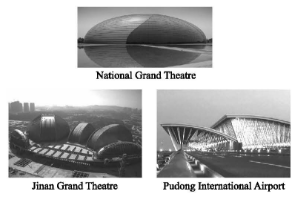
    Among his best known are the National Grand Theatre in Beijing, the Jinan Grand Theatre and Shanghai Pudong International Airport.
    其中最著名的包括北京国家大剧院、济南大剧院和上海浦东国际机场。

    Andreu is nearly 80 and he continues to develop projects in China.
    年近八旬的安德鲁仍继续在中国推进各类项目。

    The world-famous architect, writer and painter held his first art show last summer in Beijing where he sat down for this interview.
    这位享誉世界的建筑师、作家兼画家于去年夏天在北京举办了首场艺术展,并在此期间接受了本次采访。

    How was it that you went from architecture to writing—and more recently to painting?
    您是如何从建筑转向写作,又在近期转向绘画的呢?

    I have a desire to create, for continuous renewal.
    我渴望创作,以求不断自我更新。

    While I can’t say that I know everything about architecture, I no longer have much to prove or discover.
    虽然不敢说对建筑无所不知,但我不再需要证明什么或探索什么了。

    For me, painting is just as important, creatively, but it’s something you do alone in your workshop, with a piece of paper and a pot of ink—it’s totally refreshing.
    对我而言,绘画在创造性上同样重要,但它是在画室里独自完成的事,只需一张纸、一壶墨——这令人耳目一新。

    Why did you wait so many years to start painting?
    为什么过了这么多年才开始画画?

    It was a kind of need.
    这是一种内在的需求。

    I was tired off in my field and wanted to try something new and I tried to improve this situation by writing.
    我在自己的专业领域感到倦怠,想尝试新事物,起初试图通过写作来改变这种状态。

    But writing is a very long process—it takes at least a year to write a book.
    但写作是一个漫长的过程——写一本书至少需要一年时间。

    Painting is faster.
    而绘画则快得多。

    Being alone with yourself during the day, in the light, and then putting yourself in a situation where you produce something of which you know nothing and for which no one has asked—it’s a kind of freedom you seldom have in life.
    白天独处,沐浴在阳光下,然后让自己去创作一些全然未知、也无人要求的东西——这是生活中难得的一种自由。

    What is your project in China right now?
    您目前在中国有什么项目?

    There’s a project in the Zhuhai-Macao area.
    在珠澳地区有一个项目。

    The Chinese engineering and building company Zhuhai Da Heng Qin asked French architect Thomas Coldefy to think about the project, suggesting that he work with an architect who’s already known in China.
    中国工程建筑企业珠海大横琴公司邀请法国建筑师托马斯·科尔德菲参与构思该项目,并建议他与一位在中国已有知名度的建筑师合作。

    He asked me if I’d be willing to do some of the work.
    他问我是否愿意承担部分工作。

    We’ll present the project some time before December; the planned completion date is in 2019.
    我们将在12月之前的某个时间展示该项目方案;计划竣工时间为2019年。

  • 跳出思维定式

    本文通过三位青少年的创新实例,说明年轻人也能影响世界。他们分别发明了园艺机器人、宠物视频设备和通用游戏手柄,解决了实际问题并节约资源。文章强调青少年每天都在用创意改变生活,鼓励读者跳出思维定式,勇敢提出自己的解决方案。

    Thinking outside the Box
    跳出思维定式

    If you think young people can’t have an influence on the world, think again.
    如果你认为年轻人无法影响世界,请三思。

    Over the years, teens have invented excellent things that solve problems and have changed the ways people do things.
    多年来,青少年发明了许多出色的东西,解决了问题,并改变了人们做事的方式。

    Take fourteen-year-old Eliott Sarrey for example.
    以14岁的埃利奥特·萨雷为例。

    He invented Bot2Karot, a gardening robot that can take care of a small vegetable garden.
    他发明了Bot2Karot——一款能照料小型菜园的园艺机器人。

    The robot is controlled by an app on a smartphone.
    该机器人可通过智能手机上的应用程序控制。

    It helps people grow and take care of vegetables.
    它帮助人们种植和照料蔬菜。

    It also saves water and energy, and makes gardening easy for people who are very busy or have difficulty getting around.
    它还节约水和能源,让非常忙碌或行动不便的人也能轻松园艺。

    Brooke Martin is an animal lover who missed her dog when she was away.
    布鲁克·马丁是一位动物爱好者,外出时常常想念她的狗。

    So she invented iCPooch when she was just twelve years old.
    因此,她在12岁时就发明了iCPooch。

    The iCPooch lets pet owners check on their pets from anywhere in the world using a smartphone.
    iCPooch允许宠物主人通过智能手机从世界任何地方查看宠物的情况。

    It also allows owners to use their smartphone cameras to video chat with their pets.
    它还允许主人使用手机摄像头与宠物进行视频聊天。

    Fourteen-year-old inventor Robert Saunt was tired of buying or borrowing different video-game controllers for each game console (控制器).
    14岁的发明家罗伯特·桑特厌倦了为每台游戏机购买或借用不同的游戏手柄(控制器)。

    So he invented a controller called Game Blox.
    于是他发明了一款名为Game Blox的手柄。

    It can be used with four of the most popular game consoles.
    它可以兼容四种最受欢迎的游戏主机。

    His invention will save players a lot of money and space, and it will save 330 million kg of materials every year.
    他的发明将为玩家节省大量金钱和空间,每年还可节省3.3亿公斤材料。

    Kids all over the world find ways to solve problems every day.
    世界各地的孩子每天都在寻找解决问题的方法。

    Who knows? Maybe the next time you have a problem, you’ll come up with the next amazing idea!
    谁知道呢?也许下次你遇到问题时,就会想出下一个惊人的点子!

  • 诚信书店:以信任筑牢社会基石

    本文介绍了大众书局在上海开设无人值守低价书店,延续南京诚信商店模式。尽管部分顾客未付款,但主办方旨在唤醒社会诚信意识。文章指出诚信根植于中国文化,且有助于建立人际信任、促进共享经济,强调社会基石是信任而非单纯交易。

    A bookstore chain “Popular Bookmall” introduced their special style of book distribution (分销) in Shanghai back in November.
    一家名为“大众书局”的连锁书店于去年11月在上海推出了其独特的图书分销模式。

    This experimental store offers books at very low prices, and there is no staff to require customers to pay before taking books away.
    这家实验性书店以极低价格售书,且无店员要求顾客在取书前付款。

    Sounds like a book lover’s paradise!
    听起来像是爱书人的天堂!

    Popular Bookmall had already set up such a shop in Nanjing.
    大众书局此前已在南京开设过类似店铺。

    The organizers of the Nanjing store report that it was a great success; enough customers voluntarily paid for their books.
    南京店主办方表示该店非常成功:足够多的顾客自愿为所取书籍付款。

    But most older “honesty stores” in China did not receive enough honest customers.
    但中国大多数早期的“诚信商店”并未获得足够的诚实顾客。

    For example, a self-service restaurant opened in Fujian province years ago.
    例如,福建省多年前曾开过一家自助餐厅。

    It allowed customers to pay whatever they chose, but about one-fifth of customers paid nothing.
    它允许顾客自行决定支付金额,但约五分之一的顾客未付任何费用。

    The organizers of the “honesty stores” say that their goal is to encourage people in China to remember how important honesty is.
    “诚信商店”的主办方称,他们的目标是鼓励中国人铭记诚信的重要性。

    Many Chinese are worried about dishonesty in China.
    许多中国人担忧国内的不诚信现象。

    Even at Popular Bookmall, not everybody chose to pay for their books.
    即使在大众书局,也并非所有人都选择为所取书籍付款。

    Is it a good way to solve it by law? Maybe not.
    用法律手段解决是否可行?或许不行。

    We should listen to our conscience (良心).
    我们应听从自己的良知。

    This has deep roots in Chinese culture.
    这在中国文化中根深蒂固。

    Confucius (孔子) taught Chinese to be conscientious and honest.
    孔子教导中国人要 conscientious(有责任感)且诚实。

    But there is also a great rational (理性的) reason for “honesty stores”: the more honest people there are in society, the more reasons we have to trust others.
    但“诚信商店”还有一个重要的理性理由:社会中诚实的人越多,我们就越有理由信任他人。

    And if people trusted each other, they’d be more willing to share.
    如果人们彼此信任,他们也会更愿意分享。

    For example, in a “sharing economy”, we do not have to think about saving or spending money all the time.
    例如,在“共享经济”中,我们不必时刻考虑存钱或花钱。

    We should try to help other people.
    我们应尽量帮助他人。

    In brief, society is built on trust, not only trade (商业).
    简言之,社会建立在信任之上,而不仅是交易。

  • 哥哥的教诲

    本文讲述了父亲早逝后,哥哥史蒂夫通过三件事教导“我”成长:鼓励“我”为打碎窗户主动担责,引导“我”归还捡到的钢笔以尊重他人财产,以及在“我”射杀麻雀后教育“我”敬畏生命。这些关于责任、诚信与尊重生命的价值观教诲,对“我”的成人之路产生了深远影响。

    My elder brother Steve gave me important lessons in values that helped me grow into an adult after my father died when I was six years old.
    在我六岁父亲去世后,哥哥史蒂夫教给了我重要的价值观,帮助我长大成人。

    Steve taught me to face the results of my behavior.
    史蒂夫教导我要勇于承担自己行为的后果。

    Once when I returned in tears from a Saturday baseball game, it was Steve who asked me what happened.
    有一次,我在周六的棒球赛后哭着回家,是史蒂夫问我发生了什么事。

    When I told him that my baseball had flown through Mrs. Holt’s basement window, breaking the glass with a crash, Steve encouraged me to confess to her.
    当我告诉他我的棒球飞进了霍尔特太太的地下室窗户,哗啦一声打碎了玻璃时,史蒂夫鼓励我去向她坦白。

    I was supposed to play in the park down Fifth Street and not in the path between the buildings.
    我本应该在第五街尽头的公园里打球,而不是在楼房之间的过道上玩。

    Although my voice shook as I explained to Mrs. Holt, I offered to pay for the window from my pocket money.
    虽然我在向霍尔特太太解释时声音都在颤抖,但我还是主动提出用零花钱赔偿窗户的损失。

    I also learned from Steve that personal property is a sacred thing.
    我还从史蒂夫那里学到,个人财产是神圣不可侵犯的。

    After I found a shiny silver pen in my fifth-grade classroom, I wanted to keep it, but Steve explained that it might be important to the loser although it had little value.
    当我在五年级教室里捡到一支闪亮的银色钢笔想据为己有时,史蒂夫告诉我,这支笔虽然不值什么钱,但对失主来说可能很重要。

    He also reminded me of how sad I was when I lost the small dog my father made from a bit of cheap wood.
    他还提醒我,当初弄丢了父亲用一小块廉价木头给我做的小狗时,我是多么伤心。

    At last, I returned the pen to my teacher, Mrs. Davids.
    最终,我把钢笔还给了我的老师戴维斯太太。

    I still remembered the smell of her perfume as she patted me on the shoulder.
    我至今仍记得她轻拍我肩膀时身上散发的香水味。

    Yet of all the lessons Steve gave me, his respect for life is the most vivid in my mind.
    然而,在史蒂夫给我的所有教诲中,他对生命的尊重是我记忆中最深刻的。

    When I was twelve, I killed an old brown sparrow bird in the garden with a gun.
    十二岁那年,我在花园里用枪打死了一只褐色的老麻雀。

    Excited with my accuracy, I asked Steve to come from the house to take a look.
    我为自己的枪法精准而兴奋不已,便叫史蒂夫从屋里出来看看。

    I shall never forget the way he stood for a long moment and stared at the bird on the ground.
    我永远忘不了他久久伫立、凝视着地上那只鸟的情景。

    Then in a dead, quiet voice, he asked, “Did it hurt you first, Mark?”
    然后,他用低沉而平静的声音问道:“马克,是它先伤害你了吗?”

    I didn’t know what to answer.
    我一时不知该如何回答。

    He continued with his eyes firm, “Even if it hurts you first, you should think a long time and then decided whether you will kill it or not.”
    他目光坚定地看着我继续说道:“即使它先伤害了你,你也应该深思熟虑之后,再决定是否要夺去它的生命。”

    I really felt terrible then, but that moment stands out as the most important lesson my brother taught me.
    当时我真的感到很难过,但那一刻成为了哥哥教给我的最重要的一课。

  • 化嫉妒为动力:成就更好的自己

    本文探讨了嫉妒心理的成因与应对方法。文章指出嫉妒源于对他人拥有的渴望,建议将其转化为自我提升的动力。通过接纳自我、制定目标、真诚祝福他人及专注自身成长,人们可以摆脱负面情绪,将嫉妒变为积极的行动力,最终实现个人进步并获得真正的自信与快乐。

    It’s a familiar feeling.
    这是一种熟悉的感觉。

    Your friend has made the team for Saturday’s big game, and you tell him you can’t be there to watch him play.
    你的朋友入选了周六大赛的阵容,你却告诉他你无法到场观看他的比赛。

    You smile, but that voice in you asks, why him and not you?
    你面带微笑,但内心有个声音却在问:为什么是他而不是你?

    In fact, that is envy(嫉妒).
    事实上,这就是嫉妒。

    It appears when we focus on something that we don’t have but others do.
    当我们关注那些自己没有而别人拥有的东西时,它就会出现。

    Or we may even wish someone to lose it.
    或者我们甚至可能希望别人失去它。

    Feelings of unfairness are part of men, but when you focus on them, you can never get out of your dark emotions(情绪).
    不公平感是人类情感的一部分,但当你过分纠结于此,就永远无法摆脱负面情绪的困扰。

    And that makes you feel bad.
    这会让你感觉糟糕。

    So is there a solution?
    那么,有什么解决办法吗?

    Well, why not stop it, and make it the encouragement you need for self-improvement?
    不妨试着停止这种心态,将其转化为自我提升所需的动力吧。

    The best method against envy is not to compete where you can’t shine, but to do your best where you can.
    对抗嫉妒的最佳方法,不是在你不擅长的领域去竞争,而是在你能发光发热的地方做到最好。

    Start by making peace with yourself, and accept the gifts which make you special.
    首先与自己和解,接纳那些让你与众不同的天赋。

    Make an agreement with yourself to be the best you can be.
    与自己达成约定,努力成为最好的自己。

    Then find out what starts your envy.
    然后找出引发你嫉妒的根源。

    Is it someone’s singing voice or their new car?
    是别人的歌喉,还是他们的新车?

    Envy shows us the things we’d like to have — so make up a plan to get them.
    嫉妒向我们展示了内心渴望拥有的事物——所以制定一个计划去实现它们吧。

    Start a training program.
    开始一项训练计划。

    Give up a treat or two, and start saving for what you want.
    少享受一两次口腹之欲,开始为你想要的东西存钱。

    Pay attention to real pleasure in the achievements of others.
    学会真诚地为他人的成就感到快乐。

    Cheer on your friend when he scores that goal.
    当朋友进球时,为他欢呼喝彩。

    Enjoy your best friend’s wedding day.
    尽情享受挚友的婚礼时光。

    Then go out and do something special, and make yourself really proud of you.
    然后走出去做些特别的事,让自己真正为自己感到骄傲。

  • 你最喜欢哪种老师

    本文探讨了学生最喜欢的教师类型。四位来自不同学校的学生分享了各自偏好:有人喜欢知识渊博、讲课有趣的老师;有人偏爱幽默友善、能激发学习兴趣的老师;有人倾向易于沟通的年轻教师;还有人欣赏严格且富有创造力的老师。文章表明,不同类型的教师都在学生成长中发挥着独特而重要的影响作用。

    In our school life, we can meet many, many teachers.
    在我们的学校生活中,我们会遇到很多很多的老师。

    They play a role in our growth.
    他们在我们的成长中扮演着重要角色。

    There are many different types of teachers. Strict or fun? Clever or kind? Old or young?
    教师有很多种类型:严厉还是有趣?聪明还是和蔼?年长还是年轻?

    What kind of teachers do you like best?
    你最喜欢哪种类型的老师?

    We wanted to know about your ideas. Here are some answers from four children in different schools.
    我们想了解你的想法。以下是来自四所不同学校的四位孩子的回答。

    I’m Zhao Dan. My favorite teachers are those who know a lot.
    我是赵丹。我最喜欢的老师是那些知识渊博的老师。

    It is a problem if teachers don’t know their subjects well.
    如果老师对自己的学科不够了解,那就是个问题。

    They should make their lessons as easy and interesting as possible.
    他们应该尽可能让课程变得简单又有趣。

    And in class, we want new information besides what is in the textbook.
    在课堂上,除了课本内容,我们还希望获得新的信息。

    My name is Wang Xu. I love humorous teachers.
    我叫王旭。我喜欢幽默的老师。

    If a teacher is humorous, he or she is usually friendly to students.
    如果一位老师很幽默,他或她通常对学生也很友好。

    My Chinese teacher Mrs. Han is such a teacher.
    我的语文老师韩老师就是这样一位老师。

    To have her class is to have fun. Even bad students are eager to learn and do their homework on time.
    上她的课就是享受乐趣。即使是差生也渴望学习并按时完成作业。

    Hi, I’m Hao Yu. We boys and girls often have questions and secrets.
    嗨,我是郝宇。我们男孩女孩常常有问题和秘密。

    We really want to share our feelings with teachers and make friends with them.
    我们真的很想和老师分享感受,和他们交朋友。

    I think young teachers can understand us more easily and better, so I prefer young teachers to old teachers.
    我认为年轻老师更容易、更好地理解我们,所以我更喜欢年轻老师而不是年长老师。

    My name is Zhou Shan. My head teacher in elementary school, Mrs. Song, is my favorite teacher.
    我叫周珊。我小学时的班主任宋老师是我最喜欢的老师。

    She is strict but always creative.
    她很严格,但总是富有创造力。

    Once she read aloud a poem she wrote in class and I fell in love with poems at that moment.
    有一次她在课堂上朗读了自己写的一首诗,那一刻我就爱上了诗歌。

    Teachers like her can influence your whole life.
    像她这样的老师可以影响你的一生。

  • 根据左栏中人们的需求, 从右栏中为他们选择最佳的产品

    Please choose the best product for them from the right column according to the needs of the people in the left column, and blacken the corresponding item on the answer sheet.
    请根据左栏中人们的需求, 从右栏中为他们选择最佳的产品, 并在答题卡上将该项涂黑。

    左栏需求部分

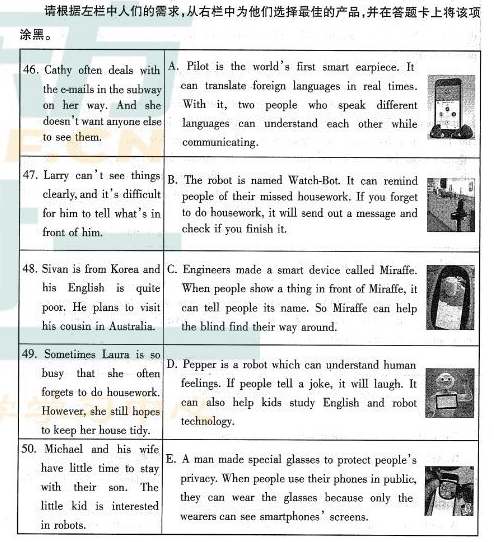
    46. Cathy often deals with the e-mails in the subway on her way. And she doesn’t want anyone else to see them.
    46. 凯茜经常在通勤的地铁上处理邮件,而且她不希望其他任何人看到这些邮件内容。

    47. Larry can’t see things clearly, and it’s difficult for him to tell what’s in front of him.
    47. 拉里看不清东西,他很难分辨出自己面前的事物是什么。

    48. Sivan is from Korea and his English is quite poor. He plans to visit his cousin in Australia.
    48. 西万来自韩国,他的英语水平很差,他计划去澳大利亚看望自己的表亲。

    49. Sometimes Laura is so busy that she often forgets to do housework. However, she still hopes to keep her house tidy.
    49. 劳拉有时太过忙碌,经常忘记做家务,但她仍然希望能让家里保持整洁。

    50. Michael and his wife have little time to stay with their son. The little kid is interested in robots.
    50. 迈克尔和他的妻子几乎没有时间陪伴儿子,这个小孩子对机器人很感兴趣。

    右栏产品介绍部分

    A. Pilot is the world’s first smart earpiece. It can translate foreign languages in real times. With it, two people who speak different languages can understand each other while communicating.
    A. Pilot是全球首款智能耳机,它可以实时翻译外语。有了它,两位说着不同语言的人在交流时就能够互相理解。

    B. The robot is named Watch-Bot. It can remind people of their missed housework. If you forget to do housework, it will send out a message and check if you finish it.
    B. 这款机器人名为Watch-Bot,它可以提醒人们那些被遗漏的家务。如果你忘记做家务,它就会发送提示消息,还会检查你是否完成了家务。

    C. Engineers made a smart device called Miraffe. When people show a thing in front of Miraffe, it can tell people its name. So Miraffe can help the blind find their way around.
    C. 工程师们研发了一款名为Miraffe的智能设备。当人们把一件物品展示在Miraffe面前时,它可以说出这件物品的名字,因此Miraffe可以帮助盲人辨别周边环境、认路出行。

    D. Pepper is a robot which can understand human feelings. If people tell a joke, it will laugh. It can also help kids study English and robot technology.
    D. Pepper是一款能够理解人类情绪的机器人。如果人们讲一个笑话,它会做出发笑的反应,它还可以帮助孩子们学习英语和机器人相关技术知识。

    E. A man made special glasses to protect people’s privacy. When people use their phones in public, they can wear the glasses because only the wearers can see smartphones’ screens.
    E. 有一位男士制作了一款特殊眼镜来保护人们的隐私。当人们在公共场合使用手机时,可以戴上这款眼镜,因为只有佩戴者本人才能看到智能手机的屏幕内容。

    参考答案:46-50ECABD

  • 如何高效使用电子邮件:避免浪费时间的实用建议

    本文介绍了高效使用电子邮件的五条建议:关闭提示音避免打断工作;限制每日查收次数与时长;区分工作与个人邮箱;通过主题行筛选优先回复邮件;慎用“全部回复”功能。遵循这些方法可减少时间浪费,提升工作效率,帮助员工更早完成工作离开办公室,让邮件真正成为工具而非负担。

    Email helps workers to communicate at any time, from any place.
    电子邮件帮助员工在任何时间、任何地点进行沟通。

    Email is an important tool, but it can also lead to a waste of time.
    电子邮件是一个重要的工具,但也可能导致时间浪费。

    How can workers make sure that email is a tool and not a time-waster?
    员工如何确保电子邮件是工具而不是浪费时间的手段?

    Here are some simple tips to follow.
    以下是一些简单易行的建议。

    They can help you use email more efficiently (高效地) at work.
    它们可以帮助你更高效地使用电子邮件工作。

    First of all, turn off the sound in your computer that tells you that you have a new email message.
    首先,关闭电脑中提示你有新邮件的声音。

    That “You’ve got mail!” sound is like a telephone or a doorbell.
    那种“你有新邮件!”的声音就像电话或门铃一样。

    It interrupts your work.
    它会打断你的工作。

    When you hear it, you will want to check your messages.
    当你听到它时,你会想查看你的消息。

    And it will take you at least a few minutes to get back to work after that.
    之后你至少需要几分钟才能重新投入工作。

    Can you imagine how much time you waste because of that little sound?
    你能想象因为那个小小的声音你浪费了多少时间吗?

    Second, limit how often you check your email.
    其次,限制你检查电子邮件的频率。

    Try checking it only three times a day, for example, at 9:00, 12:00 and 16:00.
    例如,尝试每天只检查三次:上午9点、中午12点和下午4点。

    Also, limit the time you spend reading and answering email each time.
    同时,每次阅读和回复邮件的时间也要加以限制。

    Fifteen minutes is usually long enough.
    通常十五分钟就足够了。

    Third, use a separate email account for work and personal life.
    第三,为工作和个人生活使用不同的电子邮件账户。

    Do not give your work address to friends or family, and do not give your personal address to people at work.
    不要将工作邮箱地址给朋友或家人,也不要把私人邮箱地址给同事。

    If you are working on several projects at one time, use a separate email account for each one.
    如果你同时在处理多个项目,为每个项目使用一个独立的邮箱账户。

    So you can focus on the most important project.
    这样你就可以专注于最重要的项目。

    Fourth, you won’t have to read all the email messages every time you open your email.
    第四,你不必每次打开邮箱都阅读所有邮件。

    You can look quickly at the subject lines and then decide which messages to answer right away.
    你可以快速浏览主题行,然后决定哪些邮件需要立即回复。

    You can read the others later.
    其他的可以稍后再读。

    Finally, do not always use “reply to all” to answer email.
    最后,不要总是用“全部回复”来回复邮件。

    Only send the message to people who need to read your answer.
    只把信息发送给那些需要看到你回复的人。

    That way, you won’t fill your workmates’ in boxes with messages they don’t need.
    这样你就不会用他们不需要的信息塞满同事的收件箱。

    And they won’t waste time reading them.
    他们也不会浪费时间阅读这些邮件。

    If you follow these simple steps, you will be a more efficient worker.
    如果你遵循这些简单的步骤,你将成为一名更高效的员工。

    Best of all, you will be able to leave the office earlier.
    最重要的是,你将能够更早下班。

  • 手足相伴,彼此成就

    本文讲述了兄弟姐妹间的相互影响与积极作用。作者以仰慕哥哥为例,说明手足能互为榜样、彼此激励。研究证实,拥有兄弟姐妹不仅提升学业成绩,还能培养分享、解决冲突等社交技能。尽管相处中有争吵,但手足关系带来的成长益处远超预期,我们应珍惜并努力成为最好的自己。

    For as long as I can remember, I’ve always looked up to my elder brother.
    在我的记忆中,我一直都很仰慕我的哥哥。

    No matter how old I am, I’ve always seen myself copying every small thing that he does.
    无论我长到多大,我总是发现自己会模仿他做的每一件小事。

    I play the video games that he plays, I copy his hairstyle, and I eat the type of food that he eats.
    我玩他玩的电子游戏,留和他一样的发型,吃他喜欢吃的食物。

    My brother is like a superhero in my eyes.
    在我眼中,哥哥就像一位超级英雄。

    He was a straight A student at high school as well as the captain of the school soccer team.
    他在高中时不仅门门功课拿A,还是校足球队的队长。

    It’s been difficult trying to live up to the expectations that were set by my brother, but whether consciously or not, I’ll always try to be like him.
    要达到哥哥树立的高标准并非易事,但无论是有意识还是无意识,我都会一直努力向他看齐。

    He motivates me like a rabbit motivates a wolf.
    他激励着我,就像兔子对狼的诱惑一样。

    The wolf’s goal is food, while mine is to be as outstanding as my brother.
    狼的目标是食物,而我的目标是像哥哥一样出类拔萃。

    Younger brothers can influence the behavior of elder siblings just as much as an elder brother can influence a younger sibling.
    弟弟对兄姐行为的影响,丝毫不亚于哥哥对弟妹的影响。

    I had a conversation with my brother about his experience growing up with me.
    我曾和哥哥聊起过和我一起长大的经历。

    He joked with me that it felt like the world punished him with having to deal with me.
    他跟我开玩笑说,感觉像是老天在惩罚他,让他不得不忍受我这个麻烦精。

    Yet he expressed that he was grateful to me, because he understood I would take inspiration from him so he chose to be his best self.
    但他也表示对我心存感激,因为他知道我会以他为榜样,所以他选择展现出自己最好的一面。

    My brother and I have inspired each other to do the best we can.
    我和哥哥互相激励,都努力做到最好的自己。

    A researcher Birg Rabe has found a correlation between a sibling relationship where younger siblings’ marks have improved because they have an elder sibling as their role model.
    研究人员比尔格·拉贝发现了一种手足关系中的相关性:当弟弟妹妹将年长的手足视为榜样时,他们的成绩会有所提高。

    “The younger siblings’ marks rose by 4%. The effect was greater among siblings from poorer families, and the rise was 11%.”
    “弟弟妹妹的成绩提高了4%。这种效应在贫困家庭的手足中更为显著,成绩提升幅度达到了11%。”

    Having a sibling undoubtedly benefits children’s school achievement.
    拥有兄弟姐妹无疑对孩子的学业成就大有裨益。

    Not only can siblings influence each other’s study, but they can positively benefit each other’s social behavior as well.
    兄弟姐妹不仅能相互影响学业,还能对彼此的社交行为产生积极的促进作用。

    A study done by researchers in the Brigham Young University shows that children with sound or pleasant sibling relationships have learned important social skills, such as helping and being able to share with others.
    杨百翰大学研究人员的一项研究表明,拥有良好或愉快手足关系的孩子学会了重要的社交技能,例如乐于助人以及懂得与他人分享。

    They’ve also learned to deal with arguments and how to solve them.
    他们还学会了如何应对争吵以及如何化解矛盾。

    I bet anyone who has a sibling knows the struggle of having to argue for days with their sibling, but I also bet, that they learn important lessons from every one of their arguments.
    我敢打赌,任何有兄弟姐妹的人都体会过那种连续几天争执不下的痛苦,但我也确信,他们能从每一次争吵中学到重要的人生道理。

    Even though you may hear many bad things about having a sibling, it actually has some unexpected benefits.
    尽管你可能听说过许多关于拥有兄弟姐妹的负面说法,但这实际上也有一些意想不到的好处。

    Learn to enjoy all the benefits a sibling brings you, and be the best sibling you can.
    学会享受兄弟姐妹带给你的一切益处,并努力成为你能做到的最好的手足。

  • 莱姆病——一个医学谜团

    本文讲述了1975年康涅狄格州莱姆镇爆发神秘疾病,耶鲁医生通过调查患者症状、居住环境及蜱虫叮咬史,最终确认鹿蜱携带的细菌为致病元凶。研究还揭示森林扩张与住宅开发使人类更易接触蜱虫。如今莱姆病已被广泛认知且早期可治。

    Lyme Disease——A Medical Mystery
    莱姆病——一个医学谜团

    In the autumn of 1975, lots of people in Lyme, Connecticut, suffered from a strange illness.
    1975年秋天,康涅狄格州莱姆镇的许多人患上了一种奇怪的疾病。

    Two doctors from Yale, Allan Steere and Stephen Malawista, began a study that would result in an important medical discovery.
    两位来自耶鲁大学的医生——艾伦·斯蒂尔和斯蒂芬·马拉维斯塔——开始了一项研究,最终促成了一项重要的医学发现。

    The doctors began by having careful examinations of each patient.
    医生们首先对每位患者进行了仔细检查。

    They found the patients of all ages were having a set of things hardly seen together, such as headaches, skin rashes (皮疹), swollen knees, fever, tiredness and so on.
    他们发现,各年龄段的患者都出现了一组罕有同时发生的症状,如头痛、皮疹、膝盖肿胀、发烧、疲劳等。

    There was also a high rate of arthritis (关节炎), a painful condition around the knees.
    此外,关节炎(膝关节周围疼痛)的发生率也很高。

    No reasons could be found through blood tests.
    血液检查未能找到病因。

    However, they found the most useful information in the interviews with the patients: one quarter of them recalled a skin rash about four weeks before the arthritis appeared.
    然而,他们在与患者的访谈中发现了最有用的信息:四分之一的患者回忆称,在关节炎出现前约四周曾出现过皮疹。

    Then the Department of Health did surveys with the Yale doctors to learn where the disease was most widely seen.
    随后,卫生部门与耶鲁大学医生合作开展调查,以了解该病最广泛出现的地区。

    It seemed that most patients lived in heavily wooded areas, away from the center of town.
    似乎大多数患者居住在远离城镇中心的茂密林区。

    Besides, most patients spent a good deal of time outdoors, gardening, camping, or playing.
    此外,大多数患者花大量时间在户外活动,如园艺、露营或玩耍。

    More importantly, some recalled having been bitten by a tick.
    更重要的是,一些人回忆起曾被蜱虫叮咬过。

    By 1977, researchers began to believe that the deer tick was responsible.
    到1977年,研究人员开始认为鹿蜱是致病原因。

    Then they discovered that a special type of bacteria (细菌), carried by the deer tick, was causing the disease.
    接着他们发现,一种由鹿蜱携带的特殊细菌导致了这种疾病。

    It was later named Lyme bacteria.
    它后来被命名为“莱姆菌”。

    The deer tick often feeds on deer. But we can also find it on mice.
    鹿蜱常以鹿为食,但我们也能在老鼠身上发现它们。

    Scientists then concluded that the bacteria passed from wildlife to ticks to humans. All lived closely among one another in the area.
    科学家由此得出结论:细菌从野生动物传播到蜱虫,再传给人;这些生物在该区域彼此紧密共存。

    How could a disease break out so suddenly?
    为何一种疾病会如此突然爆发?

    Many areas of the northeast, including Lyme, Connecticut, were once farmland.
    包括康涅狄格州莱姆在内的美国东北部许多地区,过去曾是农田。

    Over the years, the farmland was replanted with trees. After the forest grew in, all kinds of wildlife appeared.
    多年来,农田重新种上了树木;森林形成后,各种野生动物随之出现。

    At the same time, this area was developed with houses. Gradually, neighborhoods pushed deeper into the home of the wildlife. Humans became more likely to meet more ticks and get the disease.
    与此同时,该地区建起了房屋;渐渐地,居民区深入野生动物栖息地,人类更易接触更多蜱虫并感染疾病。

    After much research, the cause of Lyme disease was successfully identified (确认), thanks to the hard work of many scientists, doctors and patients.
    经过大量研究,得益于众多科学家、医生和患者的辛勤努力,莱姆病的病因终于被成功确认。

    Today, more and more people have knowledge of Lyme disease, which is easily treated if caught early.
    如今,越来越多的人了解莱姆病,若早期发现则易于治疗。

  • 摄影之旅

    本文讲述了杰里米随摄影师父亲在南非拍摄时,偶遇小象陷入深水困境。他与向导默契配合,利用掉落的卡车门搭成斜坡,成功救出小象。这次救援让父亲拍下了最精彩的照片,也让杰里米感受到野生动物摄影的意义与价值。

    The Photo Shoot
    摄影之旅

    Jeremy looked across the hot grassy land. South Africa was a long way from his hometown in America.
    杰里米眺望着炎热的草地。南非离他在美国的家乡非常遥远。

    “Ready?” Dad asked.
    “准备好了吗?”爸爸问道。

    “Ready,” Jeremy answered. They climbed into the old truck.
    “准备好了,”杰里米回答道。他们爬上了那辆旧卡车。

    Jeremy hardly ever spent time with his father, a famous wildlife photographer.
    杰里米几乎从未和他的父亲——一位著名的野生动物摄影师——共度时光。

    So far, he wasn’t sure whether he liked following his dad around. The job seemed hard and boring.
    到目前为止,他还不确定自己是否喜欢跟着爸爸到处跑。这份工作看起来既辛苦又枯燥。

    As the truck moved along the rough road, there was a big crash. The door had fallen off!
    当卡车在崎岖的道路上行驶时,突然传来一声巨响。车门掉了下来!

    “Now we can see better,” Dad laughed. Their guide Makalu threw the door into the back of the truck.
    “现在我们可以看得更清楚了,”爸爸笑着说。他们的向导马卡卢把车门扔到了卡车后厢。

    They stopped near a watering hole. Makalu said he was friends with the elephants that sometimes came here. Maybe they’d see some.
    他们在一个水坑附近停了下来。马卡卢说他和有时来这里的大象是朋友。也许他们能看到一些大象。

    Before long, Jeremy saw a small group of elephants walk toward the water.
    没过多久,杰里米就看到一小群大象朝水边走去。

    Dad jumped out of the truck and focused his camera on the largest elephant.
    爸爸跳下卡车,将相机对准了最大的一头大象。

    Jeremy noticed a baby elephant walking between two adults. It was small, by elephant standards.
    杰里米注意到一头小象走在两头成年大象之间。按大象的标准来看,它个头很小。

    Jeremy watched as they neared the water. The larger elephants walked into the water, showering themselves happily.
    杰里米注视着它们走近水边。大些的大象走进水里,开心地给自己冲凉。

    They drew water into their trunks and shot it into the air. It was an elephant party.
    它们用长鼻吸水喷向空中。这简直是一场大象的狂欢派对。

    Then the baby elephant rushed in and water went up to its eyes. The water was too deep for it. The baby elephant was in trouble.
    接着小象冲进水中,水没到了它的眼睛。水对它来说太深了。小象遇到了麻烦。

    It tried to climb out of the water, but the bank was too steep (陡峭的). Other elephants tried pushing the baby up, without success. The mother elephant shouted.
    它试图爬出水面,但河岸太陡峭了。其他大象试着把小象推上去,但没有成功。母象焦急地叫了起来。

    Jeremy took the broken door from the back of the truck. Makalu saw what Jeremy was planning and ran to help.
    杰里米从卡车后厢取下了那块坏掉的车门。马卡卢看出了杰里米的打算,跑过去帮忙。

    Together they pulled the door down to the water. Makalu comforted the mother elephant, gently explaining that they were going to help her baby.
    他们一起把车门拖到水边。马卡卢安抚着母象,轻声解释说他们要帮助她的宝宝。

    The mother knew Makalu and trusted him. Jeremy moved the door onto the bank. Its mother pushed from behind.
    母象认识马卡卢并信任他。杰里米把车门铺在岸坡上。母象在后面推着小象。

    The baby stepped onto the door and began to walk. Three more steps, and it was safe.
    小象踏上车门开始往上走。再走三步,它就安全了。

    The other elephants gathered around the baby, touching it with their trunks.
    其他大象围拢在小象身边,用鼻子轻触着它。

    “Boy, Jeremy,” Dad said, “That was the most exciting photo I’ve ever taken! I’m glad you came along.”
    “天哪,杰里米,”爸爸说,“这是我拍过的最精彩的照片!真高兴你跟我一起来了。”

  • 模拟温室效应:探究全球变暖的简易实验

    本文通过一个简易实验,帮助读者理解温室效应原理。实验利用两支温度计和透明容器,在阳光下对比记录内外温度变化。结果表明,容器内热量无法散失导致升温,模拟了温室气体阻碍地球散热、引发全球变暖的过程,直观展示了大气保温机制。

    Global warming is happening all around us. This experiment helps you learn how a greenhouse works, and how greenhouse gases influence the earth’s atmosphere (大气).
    全球变暖正在我们周围发生。这个实验帮助你了解温室是如何工作的,以及温室气体如何影响地球的大气层。

    What You Need:
    你需要什么:

    • Two thermometers
    • 两支温度计

    • A notebook
    • 一个笔记本

    • A pencil or pen
    • 一支铅笔或钢笔

    • A clear container
    • 一个透明容器

    • A watch or clock
    • 一块手表或时钟

    • A sunny area
    • 一个阳光充足的地方

    What You Do:
    你要做什么:

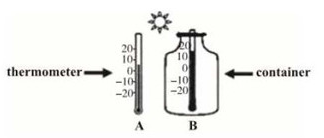
    1. Put the thermometers in direct sunlight. Let them sit in the sun for three minutes.
    2. 将温度计放在直射阳光下。让它们在阳光下放置三分钟。
    3. Draw two columns (栏), “Thermometer A” and “Thermometer B”, in the notebook.
    4. 在笔记本中画两栏,“温度计A”和“温度计B”。
    5. After the three minutes, read and record the time and temperatures in the notebook.
    6. 三分钟后,读取并记录时间和温度到笔记本中。
    7. Place one of the thermometers in the container and close it tightly.
    8. 将其中一支温度计放入容器中,并紧紧盖上盖子。
    9. Record the temperatures of the thermometers every ten minutes.
    10. 每十分钟记录一次温度计的读数。
    11. Discuss how the container influences the temperature.
    12. 讨论容器如何影响温度。

    What’s Going On?
    发生了什么?

    The temperature outside the container is changing, as the warm air mixes with the passing cooler air. The air inside the container can’t mix with the air outside — it just gets warmer as the sunlight heats it up. A greenhouse works in a similar way: sunlight creates heat that can’t get out of the glass.
    容器外的温度正在变化,因为暖空气与经过的较冷空气混合。容器内的空气无法与外部空气混合——它只是随着阳光加热而变得更热。温室的工作原理类似:阳光产生热量,但热量无法从玻璃中逸出。

  • 日常发明中的意外惊喜

    本文介绍了日常生活中几种源于意外的发明。牛仔裤最初是工人服装,后风靡全球;烟花由中国厨师偶然混合厨房用品制成;创可贴因妻子常切伤手指而被发明;微波炉则源于工程师发现微波能融化糖果。这些故事表明,许多日常用品的诞生都来自生活中的意外发现,展现了人类善于观察与创新的精神。

    Do you notice the everyday things around you, such as jeans, fireworks (烟花), the Band-Aid (创可贴) and the microwave oven?
    你注意到身边的日常物品了吗,比如牛仔裤、烟花、创可贴和微波炉?

    Many inventions in our everyday lives come from accidents. Take a look at a few of them. You may be surprised.
    我们日常生活中的许多发明都源于意外。来看看其中几个吧,你可能会感到惊讶。

    Now, we wear jeans all the time, but, at first, they were only for workers. Jeans are hard to wear out (穿破). Later, more and more people liked them and wore them, too. Jeans became popular around the world.
    如今,我们随时穿着牛仔裤,但最初它们只是工人的服装。牛仔裤很耐穿(不易穿破)。后来,越来越多的人喜欢并穿上它,牛仔裤风靡全球。

    Fireworks are fun and colorful. However, when you see them, do you think of a cook? A Chinese cook invented fireworks in old times. He mixed a few kitchen things together by accident. The mixture burnt and made a beautiful light.
    烟花有趣又多彩。然而,当你看到它们时,会想到厨师吗?古代一位中国厨师偶然将几种厨房用品混合在一起,混合物燃烧后发出美丽的光芒——这就是烟花的起源。

    The invention of the Band-Aid was also a surprise. About 90 years ago, American Earle Dickson made the first Band-Aid. His wife was always cutting her fingers in the kitchen. Dickson wanted to make something to help his wife bandage (包扎) herself up. So, he used a piece of gauze (纱布) and put it on some tape (胶布). Now, Band-Aids are a part of our daily lives.
    创可贴的发明也出人意料。大约90年前,美国人厄尔·迪克森制作了第一个创可贴。他的妻子常在厨房切伤手指,迪克森想帮她自行包扎伤口。于是,他用一块纱布贴在胶带上——如今,创可贴已成为我们日常生活的一部分。

    Nowadays, microwave ovens are popular around the world. But, in the beginning, people used microwaves in the war. American Percy Spencer found that microwaves could cook. He felt a candy in his pocket melting (融化的) when he worked beside the microwaves. Spencer then did many tests to prove (证明) his idea. In 1947, the first microwave oven in the world came out.
    如今,微波炉在全球广受欢迎。但起初,微波技术用于战争。美国工程师珀西·斯宾塞发现微波能加热食物——他在微波设备旁工作时,口袋里的糖果竟融化了。随后他通过多次实验验证了这一想法。1947年,世界上第一台微波炉问世。

  • 中国首艘国产航母下水

    本文介绍了2017年4月26日中国首艘国产航母在大连下水。该舰是中国自主设计建造的第二艘航母,虽尚未命名且仍需数年海试完工,但标志着重大突破。文章阐述了航母作为海上机场的战略价值及建造难度,并指出待其完成后,中国将成为全球第七个具备航母建造能力的国家。

    On April 26, 2017, a big Chinese ship caught the eyes of the whole world.
    2017年4月26日,一艘巨大的中国舰船吸引了全世界的目光。

    China’s first homemade aircraft carrier (航空母舰) hit the water in Dalian, Liaoning.
    中国首艘国产航空母舰在辽宁大连下水。

    It is the largest and best ship China has ever built.
    这是中国迄今为止建造的最大、最先进的舰船。

    The new ship is China’s second aircraft carrier and it has no name yet.
    这艘新舰是中国第二艘航空母舰,目前尚未命名。

    China’s first carrier is called Liaoning, which was bought from Ukraine and later rebuilt by China.
    中国第一艘航母名为“辽宁号”,是从乌克兰购买后由中国改建而成。

    The new carrier was designed (设计) in China and building began in 2013.
    这艘新航母是在中国设计的,建造工作始于2013年。

    The ship now must be completed at sea, which will take several years.
    该舰目前需在海上完成后续建造,预计将耗时数年。

    An aircraft carrier is like an airport on the sea.
    航空母舰就像海上的机场。

    It can carry hundreds of planes and troops (军队) to wars.
    它能携带数百架飞机和部队投入战争。

    Planes fly from and land back on it, and soldiers work and live on it.
    飞机可从其上起飞并降落,士兵也在其上工作与生活。

    Thanks to carriers, planes can fight along with warships.
    得益于航母,飞机可与军舰协同作战。

    They allow planes to take off and land from anywhere in the ocean around the world.
    它们使飞机能在全球任何海域起降。

    But an aircraft carrier is very hard and expensive to build.
    但航空母舰的建造非常困难且昂贵。

    It costs a lot of money and needs a large amount of steel (钢材) and other special materials.
    它耗资巨大,需要大量钢材及其他特殊材料。

    Finally, it takes years to build.
    最终,建造过程需耗时多年。

    Today, not many countries own an aircraft carrier or have the ability to build one.
    如今,拥有航空母舰或具备建造能力的国家并不多。

    When the carrier is finished, China will become the seventh country in the world that can build an aircraft, after the US, Russia, the UK, France, Italy and Spain.
    待该航母完工后,中国将成为继美国、俄罗斯、英国、法国、意大利和西班牙之后,世界上第七个能建造航空母舰的国家。

  • 姐妹共用书桌引烦恼,e-tutor支招化解学习困扰

    本文讲述了学生梅格因与姐姐共用卧室和书桌,受噪音及杂乱环境影响无法专心备考,且沟通易引发矛盾,遂向e-tutor求助。e-tutor建议她制定书桌使用时间表、去图书馆学习、整理桌面物品归属,或通过书面信息表达感受,以和平方式解决兄弟姐妹间的常见困扰。

    Hi, I’m E-tutor, or Emma. Welcome to our website. I’m here to help with any problem about studies, whether big or small. Everyone is welcome to post his message here.
    你好,我是E-tutor,也叫Emma。欢迎来到我们的网站。我在这里帮助你解决任何学习上的问题,无论大小。每个人都可以在这里留言。

    What should I say to my sister?
    我该对我姐姐说什么?

    Hi, E-tutor. I share a bedroom and a desk with my elder sister. She always distracts (使分心) me from my studies because she’s noisy and she doesn’t like tidying up her things. I will take exams next week and I need to study hard. I can’t concentrate (集中) when she’s studying too and the desk is always full of her things so I can’t find anything. If I try to have a conversation with my sister, she will get angry. Can you help me?
    你好,E-tutor。我和我姐姐共用一间卧室和一张书桌。她总是让我无法专心学习,因为她很吵,而且不喜欢收拾自己的东西。下周我要考试了,我需要努力学习。当她也在看书时我无法集中注意力,书桌上总是堆满她的东西,所以我找不到任何东西。如果我试图和我姐姐谈话,她会生气。你能帮我吗?

    Meg
    梅格

    9:24 a.m.
    上午9点24分

    Re: What should I say to my sister?
    回复:我该对我姐姐说什么?

    Hi, Meg. That’s a common problem between siblings (兄弟姐妹). Why don’t you make a plan so that you use the desk at different times? Or maybe you could study at the local library or the community center several times a week. Make sure you’ve got space for everything on your desk. If everything has its own place, it will be easier to keep the desk orderly (有条理的). It might even be enjoyable to do this together. If it’s easier to write instead of talking face to face, try sending a message to her to explain how awful you feel.
    你好,梅格。这是兄弟姐妹之间常见的问题。你为什么不制定一个计划,让你们在不同时间使用书桌呢?或者也许你可以每周几次去当地的图书馆或社区中心学习。确保你的书桌上每样东西都有地方放。如果每样东西都有自己的位置,保持书桌整洁就会更容易。一起这样做甚至可能很有趣。如果写信比面对面交谈更容易,试着给她发条信息,告诉她你感觉有多糟糕。

    E-tutor
    E-tutor

    9:55 a.m.
    上午9点55分

  • 加布里埃尔的复活节兔子奇遇

    本文讲述了服务员加布里埃尔在复活节餐厅工作时,临时接替扮演复活节兔子的经历。他不仅与孩子们合影、同乘小火车,还在餐厅内跳舞助兴,赢得了顾客的掌声。尽管是首次扮演该角色,他却十分享受这段充满欢乐的时光,也收获了节日工作的丰厚小费。

    Gabriel was a waiter.
    加布里埃尔是一名服务员。

    He loved going to work during holidays like Christmas, Thanksgiving, and Easter.
    他很喜欢在圣诞节、感恩节和复活节等节假日去上班。

    When there was work during holidays, it usually meant there would be a big tip(小费)in his check.
    因为在节假日工作,通常意味着他的工资单里会有一笔丰厚的小费。

    The restaurant where he worked was doing a special brunch for Easter this year.
    今年复活节,他工作的餐厅正在举办特别的早午餐活动。

    When Gabriel showed up, he saw a big Easter bunny(复活节兔子)walking around the restaurant.
    当加布里埃尔到达时,他看到一只巨大的复活节兔子在餐厅里走来走去。

    However, as people started showing up, he noticed that the Easter bunny wasn’t coming out to greet the people.
    然而,随着顾客陆续到来,他发现那只复活节兔子并没有出来迎接大家。

    Gabriel’s boss, Jackie went up to him.
    加布里埃尔的老板杰基走到他面前。

    His boss wanted him to take over as the Easter bunny.
    老板希望他能接替扮演复活节兔子的角色。

    Gabriel agreed.
    加布里埃尔同意了。

    As he walked out fully dressed like the Easter Bunny, he saw children lining up to take pictures with him.
    当他全副武装扮成复活节兔子走出去时,他看到孩子们正排着队等着和他合影。

    He walked over and took pictures with everyone that was in line.
    他走上前去,和所有排队的人都拍了照。

    There was a little train for the children outside in the garden.
    花园外面有一列供孩子们玩耍的小火车。

    After he took the pictures, he decided to go on the train and ride it with the children.
    拍完照后,他决定坐上小火车,和孩子们一起乘坐。

    The children were asking him if he was the real Easter Bunny, and if he had been to Disneyland, Gabriel nodded his head.
    孩子们问他是不是真正的复活节兔子,还问他有没有去过迪士尼乐园,加布里埃尔都点头称是。

    After he got off the train, he walked around the restaurant and started dancing in the restaurant.
    下了小火车后,他在餐厅里四处走动,并开始跳起舞来。

    People started to applaud(鼓掌)as they ate.
    人们一边用餐,一边开始为他鼓掌。

    It was the first time Gabriel ever dressed up as the Easter Bunny, but he loved every second of it.
    这是加布里埃尔第一次装扮成复活节兔子,但他享受其中的每一秒。

  • “中国制造”的全球化与食品安全之思

    本文介绍了“中国制造”产品在全球尤其是美国市场的广泛普及,涵盖电子产品、服装及大量农产品。然而,随着食品安全事故频发,人们开始担忧中国食品质量。文章强调,中国食品产业应在保证产量的同时更注重品质提升,才能持续赢得国际市场的认可与欢迎。

    “Made in China” is a label that can be found on many products on the shelves of most foreign stores.
    “中国制造”是一个在大多数国外商店货架上的许多产品上都能看到的标签。

    With the fast development of technology, products that are made in China are all over the world.
    随着科技的快速发展,中国制造的产品遍布世界各地。

    People can hardly avoid buying products made in China.
    人们几乎无法避免购买中国制造的产品。

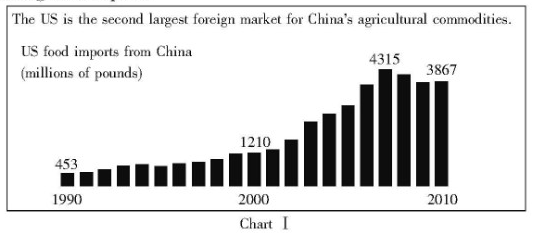
    Along with importing plenty of electronic products and clothing, the United States imported about 3.9 billion pounds of agricultural products from China in 2010, according to a report.
    据报道,除了进口大量电子产品和服装外,美国在2010年还从中国进口了约39亿磅农产品。


    By the end of 2010, the US had been the second largest foreign market for China’s agricultural products.
    截至2010年底,美国已成为中国农产品的第二大海外市场。

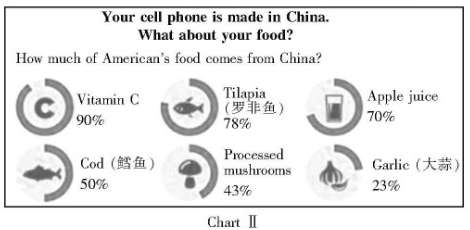
    Most of America’s food comes from China.
    美国的大部分食品来自中国。

    It seems impossible to have a diet with foods that were not produced in China.
    想要在日常饮食中完全避开中国生产的食品似乎是不可能的。

    Products such as chips and garlic are produced in China.
    薯片和大蒜等产品均产自中国。

    Chinese factories make vegetarian meat products.
    中国工厂生产素肉制品。

    Many canned foods on market shelves were also made in China.
    市场货架上的许多罐头食品也是中国制造的。


    However, with a few food accidents happening in China, more and more people began to worry about the safety of Chinese food.
    然而,随着中国发生几起食品安全事故,越来越多的人开始担心中国食品的安全问题。

    So, what we should pay more attention to is not only the amount of food but also good quality.
    因此,我们应该更加关注的不仅是食品的数量,更是其优良的品质。

    Only in this way, can we produce more foods that are popular around the world.
    只有这样,我们才能生产出更多风靡全球的食品。

  • 中美家庭差异对比

    本文对比了中美家庭差异。美国家庭较小,子女成年后独立生活并自主选择职业,父母尊重其决定;中国家庭也趋小型化,但多为独生子女,部分子女因不愿父母孤单而与其同住,且有些父母替孩子选择工作,认为这样能给孩子更好未来,但这不利于年轻人成长。

    Families in different countries are different.
    不同国家的家庭是不同的。

    Most American families are smaller than the families in other countries.
    大多数美国家庭比其他国家的家庭更小。

    Most American families have one or two parents and each family has two or more children.
    大多数美国家庭有一到两位父母,每个家庭有两个或更多孩子。

    Children in the US will leave their parents’ home when they grow up.
    美国的孩子长大后会离开父母的家。

    They usually live far from their parents because they want to find good jobs.
    他们通常住在离父母较远的地方,因为他们想找好工作。

    They often write to their parents or telephone them.
    他们经常给父母写信或打电话。

    And they often go to visit their parents on holidays.
    而且他们常在节假日去看望父母。

    Parents usually let their children choose their own jobs.
    父母通常让孩子自己选择工作。

    Americans think it is important for young people to decide on their lives by themselves.
    美国人认为年轻人自己决定人生很重要。

    Today, the families in China are also small.
    如今,中国的家庭也变小了。

    Most Chinese families have one or two parents. But each family may have only one kid.
    大多数中国家庭有一到两位父母,但每个家庭可能只有一个孩子。

    When the kids in China grow up, some may live far from their parents because they want to find good jobs, other kids may live with their parents because they don’t want to leave their parents alone.
    当中国的孩子长大后,有些人可能会因为想找好工作而远离父母生活,另一些孩子则可能与父母同住,因为他们不想让父母孤单。

    Some of the parents in China don’t let their children choose their own jobs.
    一些中国父母不让孩子自己选择工作。

    They choose jobs for their kids. Most of them think they can give their kids a better future.
    他们替孩子选择工作,大多数人认为自己能给孩子更好的未来。

    It’s not good for young people.
    这对年轻人来说并不好。

  • 如何成为一名聪明的青少年

    本文介绍了成为聪明青少年的方法:理解智力含义并明确做事方式;遵守规则,先学规则再实践;不因厌烦而放弃,养成坚持习惯;有效利用互联网等资源,认识智力包含多种脑活动;明白勤奋与学习的重要性,通过努力提升学业,从而真正变得聪明。

    Do you want to be an intelligent teen? The following steps may be helpful for you.
    你想成为一个聪明的青少年吗?以下步骤可能对你有所帮助。

    Firstly, don’t forget the meaning of intelligence and how it has to be applied (应用). Intelligence means the ability to learn, understand, and think about things.
    首先,不要忘记智力的含义以及它必须如何被应用。智力意味着学习、理解和思考事物的能力。

    So, ask yourself whether you have a clear way of doing things.
    所以,问问自己是否有一套清晰的做事方法。

    Follow the rules properly. Even the genius (天才) of science always says, “
    要恰当地遵守规则。即使是科学天才也总是说:“

    Learn the rules of the game first.
    先学会游戏的规则。

    And then play better than anyone else. You cannot do well if you don’t know the rules.”
    然后才能比任何人都玩得好。如果你不了解规则,就无法表现出色。”

    Don’t give up just because you don’t like something.
    不要仅仅因为不喜欢某事就放弃。

    Sometimes you may feel bored with something, but do not stop.
    有时你可能会对某事感到厌烦,但不要停下来。

    Or you will break down or destroy what you have already made. Just develop a habit of continuing a task rather than giving it up all of a sudden.
    否则你会崩溃或毁掉你已经取得的成果。养成坚持完成任务的习惯,而不是突然半途而废。

    Try to make use of resources effectively (有效利用资源). Nowadays, many people are learning through the Internet.
    试着有效利用资源。如今,许多人正在通过互联网进行学习。

    So surely use the Internet if you are able to do this.
    因此,如果你有这个条件,一定要好好利用互联网。

    Besides, be knowing that intelligence includes different brain activities, like thinking, reasoning, memorizing and so on.
    此外,要知道智力包含不同的大脑活动,如思考、推理、记忆等等。

    Lastly, remember that the hard-working ones are often intelligent. To be intelligent in remembering important matters requires experience and even some wonderful luck.
    最后,请记住勤奋的人往往是聪明的。在记住重要事项方面表现出智慧需要经验,甚至还需要一些极好的运气。

    But in real life, you can be intelligent only by studying more.
    但在现实生活中,你只有通过更多地学习才能变得聪明。

    So, you must work hard to get the most out of your studies.
    所以,你必须努力学习以从学业中获得最大的收益。

  • 该对孩子说善意的谎言吗?

    本文呈现了网络聊天室中父母关于“能否对孩子撒谎”的讨论。玛丽亚询问为鼓励儿子踢球而说谎是否正确,引发了不同观点:有人支持善意谎言以保护孩子自尊,也有人主张应借机教导努力的重要性,还有人强调诚实是亲子信任的基础,反对任何形式的欺骗。

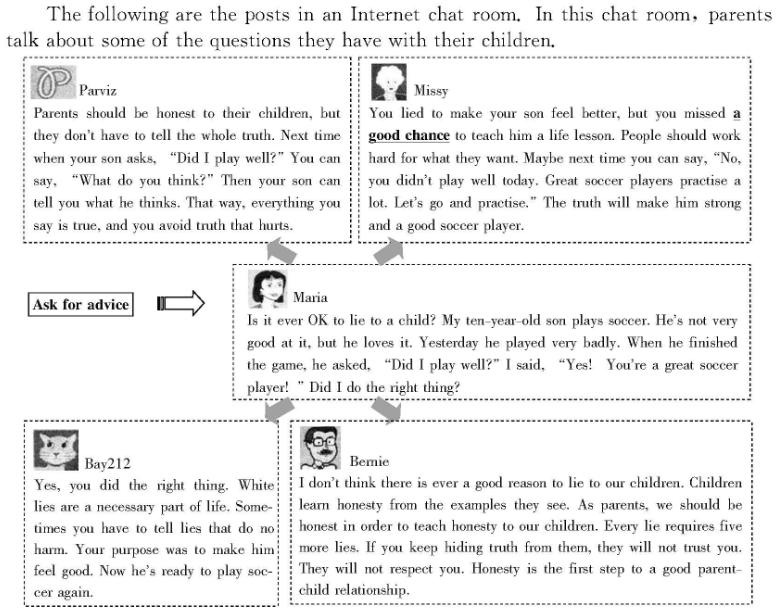
    The following are the posts in an Internet chat room. In this chat room, parents talk about some of the questions they have with their children.
    以下是网络聊天室中的帖子。在这个聊天室里,父母们讨论他们与孩子之间的一些问题。

    Parviz
    帕尔维兹

    Parents should be honest to their children, but they don’t have to tell the whole truth. Next time when your son asks, “Did I play well?” You can say, “What do you think?” Then your son can tell you what he thinks. That way, everything you say is true, and you avoid truth that hurts.
    父母应该对孩子诚实,但不必说出全部真相。下次当你儿子问“我踢得好吗?”时,你可以说:“你觉得呢?”这样你的儿子就能告诉你他的想法。这样一来,你说的每句话都是真实的,同时避免了伤害性的真相。

    Missy
    米西

    You lied to make your son feel better, but you missed a good chance to teach him a life lesson. People should work hard for what they want. Maybe next time you can say, “No, you didn’t play well today. Great soccer players practise a lot. Let’s go and practise.” The truth will make him strong and a good soccer player.
    你撒谎是为了让儿子感觉好些,但你错失了一个教他人生的好机会。人们应该为自己想要的东西努力。也许下次你可以说:“不,你今天踢得不好。优秀的足球运动员会大量练习。我们去练习吧。”真相会让他变得坚强,成为一名优秀的足球运动员。

    Ask for advice →
    寻求建议 →

    Maria
    玛丽亚

    Is it ever OK to lie to a child? My ten-year-old son plays soccer. He’s not very good at it, but he loves it. Yesterday he played very badly. When he finished the game, he asked, “Did I play well?” I said, “Yes! You’re a great soccer player!” Did I do the right thing?
    对孩子撒谎可以吗?我十岁的儿子踢足球。他不太擅长,但他很喜欢。昨天他踢得很差。比赛结束后,他问我:“我踢得好吗?”我说:“是的!你是个很棒的足球运动员!”我做对了吗?

    Bay212
    贝212

    Yes, you did the right thing. White lies are a necessary part of life. Sometimes you have to tell lies that do no harm. Your purpose was to make him feel good. Now he’s ready to play soccer again.
    是的,你做对了。善意的谎言是生活中必要的一部分。有时你必须说一些无害的谎话。你的目的是让他感觉良好。现在他又准备好去踢球了。

    Bernie
    伯尼

    I don’t think there is ever a good reason to lie to our children. Children learn honesty from the examples they see. As parents, we should be honest in order to teach honesty to our children. Every lie requires five more lies. If you keep hiding truth from them, they will not trust you. They will not respect you. Honesty is the first step to a good parent-child relationship.
    我认为没有任何正当理由可以向孩子撒谎。孩子们从他们所见的榜样中学习诚实。作为父母,我们应该诚实,以便教导孩子诚实。每一个谎言都需要五个更多的谎言来掩盖。如果你一直对他们隐瞒真相,他们将不再信任你,也不会尊重你。诚实是建立良好亲子关系的第一步。

  • 端午节的由来与习俗

    本文介绍了端午节的由来与习俗。端午节又称端阳节,在农历五月初五庆祝,以赛龙舟和吃粽子闻名。这些传统源于纪念战国时期楚国忠臣屈原,他因遭奸人陷害、忧国忧民而投汨罗江自尽。百姓为保护其遗体,划船搜救并投米入江喂鱼,这一行为逐渐演变为延续数千年的节日风俗。

    The Dragon Boat Festival, also called the Duanwu Festival, is celebrated on the fifth day of the fifth month according to the Chinese calendar.
    端午节,又称端阳节,按中国农历在五月初五庆祝。

    The festival is best known for its dragon-boat races, especially in the southern provinces and eating the rice called zongzi.
    这个节日最著名的是赛龙舟,尤其在南方省份,以及吃一种叫“粽子”的糯米食品。

    People do these to remember the death of Qu Yuan, an honest minister (大臣) who is said to drown (淹死) himself in a river.
    人们这样做是为了纪念屈原之死,他是一位正直的大臣,据说投河自尽。

    Qu was a minister of the State of Chu in present-day Hunan and Hubei Provinces, during the Warring States Period (475–221 BC).
    屈原是战国时期(公元前475–221年)楚国的大臣,楚国位于今天的湖南和湖北地区。

    He brought peace and wealth(财富) to the state.
    他为该国带来了和平与财富。

    However, a dishonest prince vilified Qu.
    然而,一位不诚实的王子诋毁了屈原。

    Realizing that the country was now in the hands of bad people, Qu jumped into the Miluo River on the fifth day of the fifth month.
    意识到国家已落入坏人之手,屈原于五月初五跳入汨罗江。

    Nearby villagers rushed over to try to save him but were unable to even find his body.
    附近的村民急忙赶来试图救他,却连他的尸体都找不到。

    After that, people got to the river by boat and threw rice into the water, hoping that the fish ate the rice instead of Qu Yuan’s body every year on the fifth day of the fifth month.
    此后,人们每年五月初五乘船到江边,向水中投掷米饭,希望鱼儿吃掉米饭而非屈原的身体。

    For thousands of years, the festival has been marked by rice called zongzi and dragon boat races.
    数千年来,这个节日一直以粽子和龙舟赛为标志。

  • 十岁女孩的夜光纸发明

    本文讲述了贝基·施罗德10岁时因在暗处写作业不便,受夜光玩具启发,利用磷光涂料发明“发光纸”的故事。她12岁获专利,成为美国最年轻的女性专利获得者。该发明通过储光发光实现无光书写阅读,后被摄影师、医生等广泛使用,展现了少年创新的力量与实用价值。

    Becky Schroeder was only 10 years old when she came up with the idea of the glow-paper.
    贝基·施罗德在年仅10岁时就提出了“发光纸”的构想。

    Two years later, in 1974, her invention was patented (获得专利) and she became the youngest girl to ever receive a patent in the United States.
    两年后,即1974年,她的发明获得了专利,她也成为美国历史上最年轻的获得专利的女孩。

    The idea came to her when she tried to do her homework in the family car. It was getting dark, and she couldn’t see her notebook very well. She didn’t have a flashlight and imagined how nice it would be to have a paper that glows (发光) in the dark and allows her to write easily without light.
    这个想法源于她在自家车里做作业时——天渐渐黑了,她看不清笔记本。她没有手电筒,于是想象如果有一种能在黑暗中发光的纸张,让她无需光线也能轻松书写,那该多好。

    She decided to invent a product that would do just like that. She researched “glow in the dark” toys, such as balls and Frisbees. She wanted to know how they worked. Finally, she found out they all used phosphorescent (磷光性的) paint which can store light and then give out a glow in the dark. Then she went with her dad to buy some phosphorescent paint. In the darkest room in her house, she spent the evening trying with the paint and some paper, until she got it.
    她决定发明一种能实现这一功能的产品。她研究了诸如球和飞盘等“夜光”玩具,想了解它们的工作原理。最终,她发现它们都使用了磷光涂料——这种涂料可以储存光线,然后在黑暗中发出光芒。随后,她和父亲一起去购买了一些磷光涂料。在她家最暗的房间里,她花了一整晚时间用涂料和纸张反复试验,直到成功为止。

    Her invention the glow-paper includes a board with phosphorescent paint that stores light and then glows in the dark. Once a piece of paper is placed on it, it glows and you can see your writing or read without the need of a proper light.
    她的发明“发光纸”包含一块涂有磷光涂料的板子,该涂料可储光并在黑暗中发光。一旦将纸张放在上面,它就会发光,使你无需合适光源即可看到自己的字迹或阅读内容。

    The invention was a huge success. It is usually used by photographers (摄影师) for their dark rooms, doctors in hospitals to read patients’ materials at night and somewhere else.
    这项发明取得了巨大成功。它通常被摄影师用于暗房、医院医生在夜间阅读病人资料,以及其他场合使用。

  • 外卖员雷海为:逆袭夺冠的励志人生

    本文讲述了杭州外卖员雷海为凭借对诗歌的纯粹热爱,在央视《中国诗词大会》第三季决赛中夺冠的励志故事。他虽因家境贫寒和频繁转学错失大学机会,却坚持在书店背诗、利用送餐间隙积累千余首古诗。其出色表现与执着精神感动了无数观众,展现了平凡人对知识的渴望与坚守。

    A food delivery (运送) man won China Central Television’s poetry contest on April 4.
    一名外卖员于4月4日赢得了中央电视台的诗歌比赛。

    Lei Haiwei kept calm during the final of the third season of CCTV’s “Chinese Poetry Competition” on Wednesday night, becoming the winner after defeating Peng Min, a master of literature from China’s top university.
    雷海为在周三晚《中国诗词大会》第三季决赛中保持冷静,击败来自中国顶尖大学的文学硕士彭敏,最终夺冠。

    Lei, 37, from Shaoyang, Hunan is now working as a food delivery man in Hangzhou, Zhejiang.
    37岁的雷海为来自湖南邵阳,目前在浙江杭州从事外卖配送工作。

    His interest in poetry was inspired by his father, who would write poems down, stick them on the walls of the kitchen and taught him to read them from a young age.
    他对诗歌的兴趣源于父亲——父亲会把诗写下来贴在厨房墙上,并从小教他朗读。

    Lei missed the opportunity (机会) of going to university because of frequent school transfers (转学) when he was growing up. But that didn’t stop his love for poetry.
    由于成长过程中频繁转学,雷海为错失了上大学的机会,但这并未阻止他对诗歌的热爱。

    Since he was too poor to buy books, Lei would memorize poems in bookstores and write them out when he returned home.
    因家境贫寒买不起书,雷海为会在书店背诵诗歌,回家后默写出来。

    He used this unique (独特的) method to accumulate (积累) more than 1,000 poems.
    他用这种独特的方法积累了超过一千首诗歌。

    Lei moved to Hangzhou in 2008 because he fell in love with the beauty of the city that was described in ancient poems.
    2008年,雷海为搬到杭州,因为他爱上了古诗中描绘的这座城市之美。

    Now, as a busy food courier, he reads and memorizes poems by using his mobile phone while waiting for food to be delivered.
    如今,作为一名忙碌的外卖骑手,他在等餐时用手机阅读和背诵诗歌。

    It helps him relax during his fast-paced life.
    这帮助他在快节奏的生活中放松身心。

    Last November, Lei went to Beijing and began recording the TV show after standing out from more than 70,000 people who signed up for the competition.
    去年十一月,雷海为前往北京,在七万多名报名者中脱颖而出后开始录制电视节目。

    After winning, Lei returned to Hangzhou and continued his delivery work and memorizing of poems.
    获奖后,雷海为返回杭州,继续送外卖并背诵诗歌。

    Lei’s outstanding performance during the final, and his inspirational story, have amazed Chinese audiences (观众).
    雷海为在决赛中的出色表现及其励志故事令中国观众惊叹。

    “His love of learning is so pure (纯洁的). It moved me to tears,” one netizen (网民) said.
    “他对学习的热爱如此纯粹,让我感动落泪。”一位网友说道。

    “It always amazes me how some people simply hunger for knowledge,” another shared.
    “总让我惊讶的是,有些人对知识有着纯粹的渴望。”另一位网友分享道。

  • 科学视角下的男女差异

    本文探讨了男女在科学、语言及动手能力等方面的差异。研究表明男孩擅长数学,女孩在语言和记忆上占优,且女婴观察力与语言发育更早。同时指出男孩入学前发展出的攻击性受荷尔蒙和母亲影响。文章强调这些差异并非绝对,未来个人能力不应由性别决定。

    Do you believe that only boys do well in science? Does it seem to you that girls have better language skills than boys?
    你认为只有男孩在科学方面表现好吗?你觉得女孩的语言能力比男孩更强吗?

    In your opinion, are boys better at building things? If your answer to each of those questions is “Yes”, you are right, according to an article in Current Science.
    在你看来,男孩更擅长动手搭建东西吗?根据《当代科学》杂志的一篇文章,如果你对以上每个问题的回答都是“是”,那么你是对的。

    There are exceptions(例外), but here are the facts. Usually, boys score higher in tests about math, while girls do better in tests about words, spelling and memory.
    当然也有例外,但事实如下:通常,男孩在数学测试中得分更高,而女孩在词汇、拼写和记忆类测试中表现更好。

    But these differences may not always be true. In the future, a person’s abilities may not be decided by gender.
    但这些差异并不总是成立。未来,一个人的能力可能不再由性别决定。

    Jerome Kagan, a scientist at Harvard University, is studying the watching ability of 10-month-old children recently.
    哈佛大学科学家杰罗姆·卡根最近正在研究10个月大婴儿的观察能力。

    Baby boys and baby girls are watching a “show” while seated on their mothers’ laps.
    男婴和女婴坐在母亲腿上观看一场“表演”。

    In Act I of the show, an orange-colored ball is lifted from a blue box and moved slowly. Then it is returned to the box. This is repeated six times.
    在第一幕中,一个橙色的球从蓝色盒子里被缓慢取出并移动,然后放回盒内,此过程重复六次。

    Act II is almost the same with Act I, except that the orange ball is smaller.
    第二幕与第一幕几乎相同,只是橙色球更小。

    Baby boys do not seem to notice the difference in the size of the ball, but baby girls immediately become excited and begin to make noises.
    男婴似乎没有注意到球大小的变化,而女婴则立刻变得兴奋并开始发出声音。

    It’s also known that baby girls usually talk at an earlier age than baby boys do.
    众所周知,女婴通常比男婴更早开始说话。

    Scientists believe that the left side of the brain develops faster in girls than in boys.
    科学家认为,女孩大脑左侧发育速度比男孩快。

    As a result, by the time they start to school, little girls have an advantage that boys don’t have, but what have the boys been doing in the years before starting school?
    因此,到入学时,小女孩拥有男孩所不具备的优势——但男孩在入学前的这些年里都在做什么呢?

    They have been developing something called aggression.
    他们一直在发展一种叫做“攻击性”的特质。

    An aggressive person feels strong and independent. He is often the first one to start a fight.
    具有攻击性的人感觉强大且独立,他往往是第一个挑起争斗的人。

    It is said that aggression is caused by hormones(荷尔蒙). Scientists believe that hormones are not the only reason. They say aggression in boys is also caused by mothers.
    据说攻击性是由荷尔蒙引起的。科学家认为荷尔蒙并非唯一原因,他们还指出男孩的攻击性也受母亲影响。

  • 诚实比金钱更珍贵

    本文讲述了一位贫穷的小提琴手在地铁站拾到他人误投的五十万美元中奖彩票后,放弃赴维也纳求学机会,原地等待并归还失主的故事。面对巨额财富,他坚守诚实品质,认为失去诚信便永无幸福可言。文章通过这一感人事迹,赞扬了主人公拾金不昧的高尚品格,深刻诠释了诚实守信比金钱更珍贵的人生道理。

    On a Friday night, a poor young violinist was playing his violin at the entrance of the subway station. He played such great music that people slowed down to listen and put some money into his hat.

    一个周五的晚上,一位贫穷的年轻小提琴手在地铁站入口处拉小提琴。他演奏的音乐如此美妙,以至于人们放慢脚步聆听,并把一些钱放进他的帽子里。

    The next day, the violinist came to the entrance again. He put down his hat as usual. Beside the hat was a piece of paper with some words on it. It said, “George Black has put an important thing into my hat by mistake. Welcome to claim(认领)it.” Soon the people were all interested in the words and wondered what it could be. After a while, a man rushed into the crowd, took the violinist’s shoulders and said, “I knew you would certainly come.” The violinist asked, “Did you lose anything?” “Lottery (彩票).” The violinist took out a lottery ticket with Black’s name on it. Black took it and danced happily.

    第二天,小提琴手又来到入口处。他像往常一样放下帽子。帽子旁边有一张纸,上面写着:“乔治·布莱克不小心把一件重要的东西放进了我的帽子里。欢迎认领。”很快,所有人都对这些字产生了兴趣,想知道那会是什么。过了一会儿,一名男子冲进人群,抓住小提琴手的肩膀说:“我就知道你一定会来。”小提琴手问:“你丢了什么?”“彩票。”小提琴手拿出一张印有布莱克名字的彩票。布莱克接过彩票,高兴地跳起舞来。

    Black was an office worker. He bought the lottery and won a prize of $500,000. But when he gave $50 to the violinist for his wonderful music, the lottery ticket was thrown in, too. The violinist was a college student. That morning, he was going to fly to Vienna for high education. However, when he found the ticket, he put off the flight and went back to the entrance.

    布莱克是一名上班族。他买了彩票并中了50万美元大奖。但当他因美妙的音乐给小提琴手50美元时,彩票也被一并扔了进去。这位小提琴手是一名大学生。那天早上,他本打算飞往维也纳接受高等教育。然而,当他发现这张彩票后,他推迟了航班,返回了入口处。

    Later someone asked the violinist why he didn’t take the lottery ticket to pay for his high education. He said, “Although I don’t have much money, I live a happy life. If I lose honesty, I won’t be happy forever.”

    后来有人问小提琴手,为什么不用这张彩票支付他的高等教育费用。他说:“虽然我没有很多钱,但我过着幸福的生活。如果我失去了诚实,我将永远无法快乐。”

  • 家中的陌生人

    文章以拟人手法讲述“电视”作为陌生人入住作者家五十年的故事。它用精彩节目吸引全家,却传播烟酒等不良观念,挑战父母价值观却未被制止。如今“电脑”也加入其中。作者借此反思电子媒介对童年成长的深远影响,揭示科技在带来知识与娱乐的同时,也潜移默化地冲击着传统家庭教育与价值引导。

    A few years after I was born, a stranger appeared in our small town.
    我出生几年后,一个陌生人出现在我们的小镇上。

    Dad liked this attractive newcomer very much and soon invited him to live with our family.
    爸爸非常喜欢这位迷人的新来者,很快就邀请他和我们全家一起住。

    The stranger was quickly accepted and was around from then on.
    这个陌生人很快就被接纳了,从此便一直待在我们身边。

    As I grew up, I never questioned his place in my family.
    在我成长的过程中,我从未质疑过他在家庭中的地位。

    In my young mind, he had a special position.
    在我幼小的心灵里,他有着特殊的位置。

    Mom taught me how tell good from bad, and Dad taught me to follow orders.
    妈妈教我如何明辨是非,爸爸教我要服从命令。

    But the stranger was our storyteller.
    但这个陌生人却是我们的故事大王。

    He would keep us listening for hours with adventures, mysterious stories and comedies.
    他会用冒险故事、神秘传说和喜剧让我们一连听上几个小时。

    If I wanted to know something about history or science, he always knew the answers.
    如果我想知道关于历史或科学的事情,他总是知道答案。

    He knew about the past, understood the present and even seemed to be able to know what would happen in the future!
    他了解过去,通晓现在,甚至似乎还能预知未来会发生什么!

    With his help, my family even watched a national ball game for the first time.
    在他的帮助下,我们家甚至第一次观看了全国性的球赛。

    Both my brothers and I enjoyed sitting around the stranger.
    我和兄弟们都很喜欢围坐在这个陌生人身边。

    He made us laugh; he made us cry, and he never stopped talking.
    他逗我们笑,惹我们哭,而且总是滔滔不绝。

    Dad didn’t seem to mind.
    爸爸似乎并不介意。

    However, Mom thought he was too talkative.
    然而,妈妈觉得他话太多了。

    Sometimes she would go to the kitchen for peace and quietness.
    有时她会躲到厨房里去寻个清静。

    My dad didn’t allow drinking, but the stranger encouraged us to try it.
    爸爸不允许喝酒,但这个陌生人却怂恿我们去尝试。

    He also made us feel that smoking looked cool and manly.
    他还让我们觉得抽烟看起来很酷、很有男子气概。

    He talked freely (much too freely!).
    他口无遮拦(实在太放肆了!)。

    Fifty years has passed since the stranger moved in and now I am fifty-four.
    自从那个陌生人搬进来已经过去了五十年,如今我也五十四岁了。

    I now know that my early childhood was strongly influenced by the stranger.
    我现在明白,我的童年深受这个陌生人的影响。

    Many times, he challenged the values of my parents, yet nobody stopped him or asked him to leave.
    很多时候,他挑战了我父母的价值观,却没有人制止他或让他离开。

    What is his name?
    他叫什么名字?

    We just call him—”TV”.
    我们就叫他——“电视”。

    He has a younger sister now.
    现在他有了个妹妹。

    We call her “computer”.
    我们叫她“电脑”。

  • 快餐店里的神奇预言

    本文讲述了15岁的瑞雯与怀孕的姐姐在快餐店偶遇一位陌生老妇人的奇妙经历。老妇人不仅认出她们是姐妹,还准确预言姐姐怀的是男孩,并称赞瑞雯将有个漂亮外甥。尽管姐妹俩当时感到震惊和疑惑,但两个月后姐姐果然诞下男婴,印证了老人神奇的猜测。

    When Raven was 15 years old, she was eating a meal at a local fast food restaurant with her older sister, who was more than seven months pregnant.
    当瑞雯15岁时,她和怀孕七个多月的姐姐在当地一家快餐店吃饭。

    They talked about this and that. They also guessed whether the baby would be a boy or a girl.
    她们闲聊着各种话题,还猜测肚子里的宝宝是男孩还是女孩。

    The sisters finished their lunch and walked towards the door. An elderly woman was walking past. Neither of the girls knew her.
    姐妹俩吃完午饭走向门口时,一位老妇人正从旁边经过,她们都不认识这位老人。

    Raven happened to make eye communication with the elderly woman when she noticed Raven’s sister. The elderly woman smiled.
    当老妇人注意到瑞雯的姐姐时,瑞雯恰好与她有了眼神交流,老妇人随即露出了微笑。

    “Oh, look at that!” the woman suddenly said loudly. “You’re having a little boy!”
    “噢,快看哪!”老妇人突然大声说道,“你怀的是个小男孩!”

    She touched Raven’s arm and said, “You’re going to have a beautiful nephew, young lady!”
    她拍了拍瑞雯的手臂说:“小姑娘,你就要有一个漂亮的外甥啦!”

    Raven and her sister just smiled and continued their way. After a while, her sister said, “It’s strange, huh?”
    瑞雯和姐姐只是笑了笑便继续赶路,过了一会儿,姐姐说道:“真奇怪,是吧?”

    It was not a harmful experience, but the sisters were both shocked by the woman’s words.
    虽然这并非什么不好的经历,但姐妹俩都被老妇人的话震惊了。

    First, how did she know they were sisters? Okay, she might have noticed Raven and her sister looked similar.
    首先,她怎么知道她们是姐妹?好吧,也许她注意到瑞雯和她姐姐长得像。

    But why would she know that the baby would be a boy? Perhaps that was just a lucky guess; after all, she had a fifty-fifty chance of being right.
    但她怎么会知道宝宝是男孩呢?也许那只是运气好猜中了,毕竟她有百分之五十的概率猜对。

    Most people probably would have asked whether it was going to be a boy or a girl, but this woman seemed to know.
    大多数人可能都会问是男是女,但这名老妇人却似乎早已知晓。

    It turned out she was right. Two months later, Raven’s sister gave birth to a boy — a “beautiful nephew” for Raven.
    结果她真的说对了,两个月后,瑞雯的姐姐生下了一个男孩——瑞雯有了一个“漂亮的外甥”。

  • 男女混合体育运动

    本文探讨了男女混合体育运动的利弊,认为其益处大于弊端。文章指出,混合运动能提升女孩体能与自信,让男孩更灵活,双方均可获益。同时,它有助于消除性别刻板印象,促进异性间的理解与友谊。尽管并非适合所有人,但应为有能力的女孩提供选择,这是提升竞技水平和促进社会发展的有效途径。

    There is an argument about whether or not boys and girls should be able to play sports on the same team.
    关于男孩和女孩是否应该能够在同一支队伍中进行体育运动,人们存在争议。

    This can be a particularly tricky argument, but in the end, the benefits of coed (男女同校) sports outweigh any negative aspects.
    这可能是一个特别棘手的话题,但归根结底,男女混合体育运动的益处大于任何负面影响。

    “It is a well-known fact that boys are built to be stronger and bigger than girls. However, that does not mean that girls are too fragile (易碎的) to play sports with boys,” says Madeline R.
    Madeline R. 说:“众所周知,男孩天生比女孩更强壮、更高大。然而,这并不意味着女孩太脆弱(易碎的)而不能和男孩一起运动。”

    She’s right. Boys are naturally built to be stronger, but girls can still compete with boys.
    她说得对。男孩天生体格更强壮,但女孩仍然可以与男孩同场竞技。

    In 2013, over 1,500 girls played boy football, and some were the best on their team.
    2013年,有超过1500名女孩参加了男子橄榄球比赛,其中一些人甚至是队里的佼佼者。

    Both boys and girls can gain skills from playing with and against the opposite gender (性别).
    男孩和女孩都能通过与异性(性别)一起训练和比赛来获得技能。

    A girl playing sports with boys will help the girl improve, making her stronger, tougher, faster, and more powerful as an athlete than she would have been playing with girls.
    女孩与男孩一起运动会促进她的进步,使她作为一名运动员变得比只与女孩打球时更强壮、更坚韧、更迅速且更有力量。

    Boys can also gain new skills from girls, becoming more agile and flexible (灵活的).
    男孩也能从女孩身上学到新技能,变得更加敏捷和灵活(灵活的)。

    Playing in coed sports might not be for every girl; some might be more comfortable playing sports with the same gender.
    参加男女混合体育运动可能并不适合每个女孩;有些女孩可能与同性别的人一起运动感觉更自在。

    But for the girls that have the physical ability, sports skills, confidence, and desire to compete with boys should have the choice to play coed.
    但对于那些具备体能、运动技巧、自信心以及与男孩竞争意愿的女孩来说,应该拥有选择参加男女混合运动的权利。

    During an interview, Katie Smith, a Women’s National Basketball Association (WNBA) star, talked about how she always played with boys when she was young.
    在一次采访中,美国国家女子篮球协会(WNBA)球星Katie Smith谈到了她小时候总是和男孩一起打球的经历。

    She recognized early on that boys provided her with the best competition to improve her skills.
    她很早就意识到,男孩为她提供了提升球技的最佳竞争对手。

    There are many social benefits, too.
    此外还有许多社交方面的益处。

    According to Laura E. Berk, a child psychologist, sometime kids aged between 9 and 11 will begin to develop gender stereotypes (性别刻板印象).
    根据儿童心理学家Laura E. Berk的说法,9到11岁的孩子有时开始形成性别刻板印象(性别刻板印象)。

    Playing coed sports can help prevent gender stereotypes, and learning to view the opposite gender as a friend and not something frightening is something that can be useful throughout life.
    参加男女混合体育运动有助于防止性别刻板印象,学会将异性视为朋友而非令人恐惧的对象,这种认知将使人终身受益。

    It increases a girl’s confidence level, too.
    它还能增强女孩的自信心。

    Letting girls compete with boys enhances their view of themselves and makes them more flexible.
    让女孩与男孩竞争能提升她们的自我认知,并使她们更具适应性。

    “Sports for girls has many benefits, including better grades, better body image, less depression and a higher chance of graduating from high school,” says Leigh R.
    Leigh R. 说:“女孩参与体育运动有很多好处,包括成绩更好、身体意象更佳、抑郁更少以及高中毕业率更高。”

    She’s right, and the improvement in all of these areas will increase if girls can play with and against boys.
    她说得没错,如果女孩能与男孩一起训练和比赛,所有这些方面的提升将会更加显著。

    These are all reasons why boys and girls should be able to play sports together on the same team.
    以上种种都是男孩和女孩应该能够在同一支队伍中共同运动的理由。

    While it might not be for everyone, there are definitely people out there that are looking to improve their game, and coed sports is an excellent way to do that.
    虽然这可能不适合所有人,但肯定有人渴望提升自己的竞技水平,而男女混合体育运动正是实现这一目标的绝佳途径。

  • 化解亲子隔阂的钥匙

    本文强调沟通在处理亲子关系中的关键作用。作者指出,无论分歧还是融洽时都应表达感受,避免疏远。沟通需从关心出发,双向倾听与表达同样重要。通过索菲的例子说明,坦诚解释与耐心倾听能化解矛盾,维系良好家庭关系。

    Living and dealing with kids can be a hard job these days, but living and dealing with parents can be even harder.
    如今,抚养和应对孩子可能是一件苦差事,但与父母相处并处理好关系甚至更难。

    If I have learned anything in my 16 years, it is that communication is very important, both when you disagree and when you get along well.
    如果说我在16年的人生中学到了什么,那就是沟通至关重要,无论是在意见相左时还是相处融洽时都是如此。

    With any relationship, you need to let other person know how you are feeling.
    在任何关系中,你都需要让对方知道你的感受。

    If you are not able to communicate, you drift apart.
    如果无法沟通,彼此就会渐行渐远。

    When you are mad at your parents, or anyone else, not talking to them doesn’t solve anything.
    当你对父母或其他任何人生气时,拒绝交谈解决不了任何问题。

    Communication begins with the concern for another.
    沟通始于对他人的关心。

    It means that you can’t just come home from school, go up to your room and ignore everyone.
    这意味着你不能放学回家后径直走进房间,对所有人都不理不睬。

    Even if you just say “Hi”, and see how their day was for five minutes, it is better than nothing.
    哪怕只是花五分钟打个招呼、问候一下他们今天过得怎么样,也比什么都不做要强。

    If you looked up the word “communication” in a dictionary, it would say “the exchange of ideas, the expression of information, correspondence, means of communication: a letter or a message”.
    如果你查阅字典中“communication”一词,它会解释为“思想的交流、信息的表达、通信、沟通方式:信件或消息”。

    To keep a good relationship, you must keep communication strong.
    要维持良好的关系,就必须保持顺畅的沟通。

    Let people know how you feel, even if it’s just by writing a note.
    让人们知道你的感受,即使只是通过写张便条也好。

    When dealing with parents, you always have to make them feel good about how they are doing as a parent.
    在与父母相处时,你总得让他们觉得自己作为父母做得还不错。

    If you are trying to make them see something as you see it, tell them that you’ll listen to what they have to say, but ask them politely to listen to you.
    如果你想让他们用你的视角看待问题,就告诉他们你会倾听他们的想法,但也请礼貌地请求他们听听你的心声。

    Yelling or walking away only makes the situation worse.
    大吵大闹或一走了之只会让情况变得更糟。

    This is an example: one night, Sophie went to a street party with her friends.
    举个例子:一天晚上,索菲和朋友去参加街头派对。

    She knew she had to be home by midnight after the fireworks, but she didn’t feel she could just ask to go home.
    她知道烟花表演结束后必须在午夜前到家,但她觉得不好意思直接开口说要回家。

    That would be rude.
    那样做太失礼了。

    After all, they had been nice enough to take her along with them.
    毕竟,朋友们好心带她一起去玩。

    Needless to say, she was late getting home.
    不出所料,她回家晚了。

    Her parents were mad at first, but when Sophie explained why she was late, they weren’t as mad and let the incident go.
    起初父母很生气,但当索菲解释了迟到的原因后,他们就没那么生气了,这件事也就此揭过。

    Communication is the key factor here.
    在这里,沟通是关键因素。

    If Sophie’s parents had not been willing to listen, Sophie would have been in a lot of trouble.
    如果索菲的父母不愿意倾听,她恐怕会有大麻烦。

    Communication isn’t a one-way deal: it goes both ways.
    沟通不是单向的,而是双向的互动。

    Just remember: if you get into a situation like Sophie’s, telling the other person how you feel—listening is the key factor to communication.
    请记住:如果你遇到像索菲那样的情况,向对方表达你的感受以及学会倾听,才是有效沟通的关键。

  • 一个少年的地理探索之旅

    本文讲述了小学生吉米因热爱地理,主动争取参加中学地理竞赛的经历。他虽在首次口试中失利,却激发了更深的学习热情,次年获得全校第二名。文章表达了他对探索世界的执着与热爱,强调真正的胜利并非名次,而是收获了对地理的终身兴趣和探索世界的勇气。

    Hello, my name is Jimmy.
    你好,我叫吉米。

    One day my eighth grade friend said that he was taking the school geography bee (比赛) written test the next day.
    有一天,我八年级的朋友说他第二天要参加学校地理蜜蜂竞赛的笔试。

    Something in his tone told me that he was not looking forward to the bee.
    他的语气让我感觉到他对这场竞赛并不期待。

    I could not understand! It sounded like a lot of fun to me.
    我无法理解!这对我来说听起来非常有趣。

    All day, I found myself wishing I was in middle school, so I could take part in the geography bee.
    那一整天,我都盼望着自己能上中学,这样就能参加地理蜜蜂竞赛了。

    During my lunch break I walked up to my social studies teacher’s classroom and asked her if I could take part in the bee for middle school.
    午休时,我走到社会研究课老师的教室,问她我是否可以参加中学的地理竞赛。

    But she did hesitate (犹豫) a bit because I was too young, just a primary school pupil.
    但她有些犹豫,因为我年纪太小,还只是个小学生。

    I told her that I really loved to learn about our earth, its rivers, mountains, all the human cultures on it.
    我告诉她,我真的热爱了解我们的地球、它的河流与山脉,以及地球上所有的人类文化。

    She was still not sure but finally said, “yes.” I jumped at once!
    她仍然不太确定,但最终说了“可以”。我立刻高兴得跳了起来!

    That next morning I was going to be in the school bee as a participant (参赛者) and learn things I was really interested in.
    第二天早上,我将作为一名参赛者参加学校的地理竞赛,去学习我真正感兴趣的知识。

    I was not nervous one bit, instead just very excited to be doing something I really loved.
    我一点也不紧张,反而因为能做自己真正热爱的事情而感到无比兴奋。

    We had four written rounds — two on the United States and two on the world.
    我们进行了四轮笔试——两轮关于美国,两轮关于世界。

    I did surprisingly well and placed on the top ten, beating some of the strong seventh and eighth graders.
    我的表现出奇地好,进入了前十名,甚至击败了一些实力强劲的七、八年级学生。

    I lost in the oral round the next day, but won my teacher’s attention.
    虽然我在第二天的口试环节被淘汰了,但却赢得了老师的关注。

    I came home and looked up the answers to the questions that I and other students lost on.
    回到家后,我查阅了我和其他同学答错题目的正确答案。

    I placed second in my school the following year, but more importantly, I realized that I really loved geography and enjoyed the time I spent learning it.
    第二年,我在全校比赛中获得了第二名,但更重要的是,我意识到自己真的热爱地理,并享受学习地理的时光。

    I may have lost that first bee, but I won the world; a love for that world; love to explore that world — one country, one mountain, one river, one landform at a time; and that is certainly the biggest win for me truly!
    也许我输掉了第一次竞赛,但我赢得了整个世界;赢得了对这个世界的热爱,以及探索这个世界的热情——一个国家、一座山、一条河、一种地貌地去探索;而这对我来说,才是真正的最大胜利!

  • 阿肯色州学校BMI报告计划:健康警钟还是自尊伤害?

    本文介绍了阿肯色州学校推行bmi报告计划引发的争议。该计划旨在提醒家长关注儿童超重问题,虽使肥胖率趋稳并促使部分家庭改善习惯,但也因可能伤害孩子自尊、越权等遭到批评。支持者认为其是必要警示,文章呈现了各方观点及该计划在促进儿童健康方面的实际作用与存废讨论。

    Arkansas may give up the BMI program or weaken it with the help of the new governor, who said it had “a lot of negative, unexpected results”.
    在新任州长的帮助下,阿肯色州可能会放弃BMI计划或削弱该计划,这位州长称该计划产生了“许多负面的、意想不到的结果”。

    The number of overweight children in the United States has more than doubled in the past 20 years. Being seriously overweight can lead to health problems later in life.
    在过去20年里,美国超重儿童的数量翻了一番多。严重超重可能会导致日后的健康问题。

    As a result, Arkansas first started the BMI program in 2004—public schools were required to provide parents with a yearly report of their children’s body-mass index (BMI), a number to show whether their weight is appropriate(合适的). Along with students’ BMIs, parents also received information on health risks of being overweight.
    因此,阿肯色州于2004年率先启动了BMI计划——要求公立学校每年向家长提供一份孩子的身体质量指数(BMI)报告,这是一个显示孩子体重是否合适的数值。除了学生的BMI数据外,家长们还收到了关于超重健康风险的信息。

    A study shows that obesity(肥胖) rates in Arkansas have stopped increasing since 2004. But not everyone supports schools in reporting students’ BMIs. Some parents have complained their kids worry that they are being “graded”on their weight, although Dr. Joe Thompson, who helped plan the BMI program, gave the explanation at the start of the program, “Just like a school check for vision or hearing, this is a way to raise awareness(意识)about a health risk.”
    一项研究表明,自2004年以来,阿肯色州的肥胖率已停止上升。但并非所有人都支持学校上报学生的BMI。一些家长抱怨说,他们的孩子担心自己会因为体重而被“打分”,尽管协助策划该计划的乔·汤普森博士在计划启动时就曾解释说:“就像学校的视力或听力检查一样,这是一种提高健康风险意识的方式。”

    Critics argue that telling parents their children weigh too much could hurt children’s self-esteem(自尊)。 Some also question whether it’s the role of schools to monitor students’ weight. Dr. Nancy Krebs, a nutrition expert, also thinks obesity report cards aren’t good enough. “They’re making kids feel bad about how they are,” she says. “Instead of focusing on kids’ BMIs, schools should provide better health and physical education classes and serve healthier foods.”
    批评者认为,告知家长孩子体重过重可能会伤害孩子的自尊心。也有人质疑监测学生体重是否是学校的职责。营养专家南希·克雷布斯博士也认为肥胖报告单还不够好。“这会让孩子们对自己的身体状况感到难过,”她说,“学校不应只关注孩子的BMI,而应提供更好的健康和体育课程,并提供更健康的食物。”

    However, supporters of the program say overweight children have had self-esteem problems before their parents get obesity report cards. Dr. Karen Young at Arkansas Children’s Hospital says, “The overweight kids are already being teased(被嘲弄)。 It doesn’t take the letter for them to feel bad.”
    然而,该计划的支持者表示,在家长收到肥胖报告单之前,超重儿童就已经存在自尊问题了。阿肯色儿童医院的凯伦·杨博士说:“超重的孩子本来就已经在被嘲弄了。不需要这封信他们也会感到难过。”

    Health experts from the University of Arkansas think it would be a pity to stop the BMI program. They see the program as a wake-up call for families and the letter is spurring some major action on some parents. Danita Thomas said she knew her son Irie was too heavy. But since getting that first BMI report, Irie has lost nearly 100 pounds and given up junk food. “It was helpful,” she said. “It made me realize that we needed to do something different.”
    阿肯色大学的健康专家认为停止BMI计划将是一件憾事。他们将该计划视为对家庭的警钟,而这封信也正在促使一些家长采取重大行动。丹妮塔·托马斯说她知道儿子艾里太胖了。但在收到第一份BMI报告后,艾里减掉了近100磅体重,并戒掉了垃圾食品。“这很有帮助,”她说,“这让我意识到我们需要做些不同的事情。”

    The BMI reports and other steps, such as limits on vending machine(自动售货机)use at school, are leading to healthier students. If there was no BMI program, there should be other effective tools to get schools and parents involved with preventing children from becoming overweight adults.
    BMI报告和其他措施,如限制校内自动售货机的使用,正使学生变得更健康。如果没有BMI计划,也应该有其他有效的工具让学校和家长参与进来,防止儿童长成超重的成年人。

  • 虚拟现实走进课堂

    本文介绍了虚拟现实(vr)技术在课堂中的应用及其影响。学生通过vr头显可进行深海潜水、参观博物馆等沉浸式学习,提升理解力与成绩。专家指出,vr虽成本较高且优质软件稀缺,但能提供丰富学习机会,如安全重做化学实验。同时强调该技术应作为现实体验的补充而非替代,教学仍需扎根真实世界。

    It was a February afternoon in a Brooklyn classroom.
    那是二月一个下午,在布鲁克林的一间教室里。

    Sixteen-year-old Taylor Engler came face to face with a cow.
    十六岁的泰勒·恩格勒与一头奶牛面对面相遇。

    But it was all in her head.
    但这一切都只发生在她的脑海中。

    She was transported by a virtual reality (VR) headset—it took Taylor and her classmates to a farm 250 miles away.
    虚拟现实(VR)头显将她带入了另一个世界——它把泰勒和她的同学们带到了250英里外的一个农场。

    For students, the technology means field trips are no longer limited by the length of a bus ride.
    对学生们来说,这项技术意味着实地考察不再受限于巴士车程的长短。

    “I was not expecting it to be right in my face!”
    “我没想到它会近在咫尺!”

    That’s what Taylor said after taking off the headset and finding herself back in the classroom.
    这是泰勒摘下头显、发现自己回到教室后所说的话。

    On any school day, students can take virtual reality “trips”.
    在任何一个上学日,学生们都可以进行虚拟现实“旅行”。

    They are deep-sea diving.
    他们可以在深海潜水。

    They are observing medical operations.
    他们可以观摩外科手术。

    They are visiting the Science Museum in London.
    他们可以参观伦敦科学博物馆。

    Teachers say it’s another way to involve the iPhone generation into classroom learning and it can help with their understanding and improve their grades.
    教师们表示,这是让“iPhone一代”融入课堂学习的另一种方式,有助于他们理解知识并提高成绩。

    Colin Jones, a science teacher, has walked students through the northern forest with a Google app called Expeditions.
    科学教师科林·琼斯曾使用一款名为Expeditions的谷歌应用,带领学生们“穿越”北方森林。

    “It can be done in a period or two with the help of the new technology,” he said.
    他说:“借助这项新技术,一两节课就能完成。”

    “But it could take even a week sometimes to take a real expedition.”
    “但如果是真正的实地考察,有时甚至需要一周时间。”

    “It’s different from watching videos. You can actually move,” Taylor said during the lesson on farm animals.
    “这和看视频不一样,你真的可以走动,”泰勒在关于农场动物的课上说道。

    “Not only move, but also feel,” said Richard Lamb.
    理查德·兰姆说:“不仅可以走动,还能有身临其境的感觉。”

    He studies how brains deal with information.
    他专门研究大脑如何处理信息。

    “Your physiological responses in virtual reality are similar to what you get in doing the actual activity.” Lamb said.
    兰姆说:“你在虚拟现实中的生理反应与实际从事该活动时的反应相似。”

    “Heart rate, breathing…everything.”
    “心率、呼吸……一切皆是如此。”

    It is unknown how many classrooms will use the technology.
    目前尚不清楚有多少教室会使用这项技术。

    But experts say it’s still rare.
    但专家表示,这仍然很少见。

    Each headset can cost as little as $20 or $30, but systems and software for classes run into thousands of dollars.
    每个头显的价格可能低至20或30美元,但用于课堂教学的系统和软件则高达数千美元。

    And good software is in great need.
    而且优质软件非常紧缺。

    Another problem we face is how to make sure the VR technology mimics the real world closely.
    我们面临的另一个问题是如何确保VR技术能够高度逼真地模拟现实世界。

    “But we have to say VR technology provides students with a huge learning opportunity,” said David Evans, director of the National Science Teachers Association.
    美国国家科学教师协会主任戴维·埃文斯说:“但我们必须承认,VR技术为学生提供了巨大的学习机会。”

    John Miller, a chemistry teacher, agreed.
    化学教师约翰·米勒对此表示赞同。

    “Too often in schools, students did something wrong in their chemistry experiments. But we don’t have enough materials for them to redo the experiments.”
    “在学校里,学生在化学实验中经常出错,但我们没有足够的材料让他们重做实验。”

    “In virtual reality, all they do is hit reset on the computer. We don’t have to actually use chemicals.”
    “而在虚拟现实中,他们只需点击电脑上的重置按钮即可,无需实际使用化学药品。”

    Both Miller and Evans stressed the technology could enrich—not replace—real-world experiences.
    米勒和埃文斯都强调,这项技术可以丰富而非取代现实世界的体验。

    “We have to remain anchored in the real world,” Evans warned, “because that’s the one that we really need to study and explain.”
    埃文斯提醒道:“我们必须立足于现实世界,因为那才是我们真正需要研究和解释的世界。”

  • 精选暑期项目:助力青少年成长与技能提升

    本文介绍了teenlife网站精选的四个优质暑期项目,涵盖艺术、音乐、领导力和工程体验。这些项目面向7至12年级学生,由专业导师指导,旨在帮助青少年提升技能、结交朋友。文章提供了各项目的具体内容、适用年级及2018年夏季举办时间,并引导读者登录官网获取更多信息,是规划暑假活动的实用指南。

    Summer vacation is coming. Attending a summer program is a good way to improve skills and make new friends.
    暑假即将来临。参加暑期项目是提升技能、结交新朋友的好方法。

    TeenLife has researched and collected the best summer activities for you.
    TeenLife 已为你研究并精选了最佳的暑期活动。

    For more information, please log in http://www.teenlife.com.
    更多信息,请登录 http://www.teenlife.com

    。

    • Snow Farm Summer
    • 雪农场夏令营

    At Snow Farm Summer, you’re not a student, you’re an artist! It offers small-group studios (工作室) led by professional artists.
    在雪农场夏令营,你不是学生,而是艺术家!它提供由专业艺术家带领的小组工作室(工作室)。

    The studios include glass, clay, metal, drawing/painting and printmaking. They are for 8th–12th graders from July 15 to July 20, 2018.
    工作室涵盖玻璃、陶土、金属、绘画/素描和版画制作。面向8至12年级学生,时间为2018年7月15日至20日。

    • The Ithaca Summer Music Academy (ISMA)
    • 伊萨卡夏季音乐学院(ISMA)

    ISMA provides a creative and supportive environment for young adults to grow into musicians. Our program offers rich music courses which are taught by Ithaca College teachers and top music educators from across the country.
    ISMA 为年轻人成长为音乐家提供富有创造力且支持性的环境。我们的课程丰富,由伊萨卡学院教师及全国顶尖音乐教育者授课。

    Our program is open to grades 7–9. It is from July 8 to July 21, 2018.
    本项目面向7至9年级学生,时间为2018年7月8日至21日。

    • National Teen Leadership Program (NTLP)
    • 全国青少年领导力项目(NTLP)

    Our leadership program includes leadership exercises and speech training. It will improve teens’ leadership skills.
    我们的领导力项目包含领导力训练与演讲培训,旨在提升青少年的领导能力。

    Our program is open to students in grades 9–12. Our camps this year will be held at Chapman University, July 10–12 and at Sacramento State University, July 31–August 2.
    本项目面向9至12年级学生。今年营地将于7月10–12日在查普曼大学举行,7月31日至8月2日在萨克拉门托州立大学举行。

    • Engineering Experience
    • 工程体验

    Have you ever wanted to build a bridge? Program a robot? Join us for a hands-on, weeklong introduction to the world of engineering at Episcopal High School.
    你是否曾想建造一座桥?编程一个机器人?欢迎加入我们在圣公会高中举办的为期一周的工程世界实践入门课程。

    Students will use their design skills and the scientific method to solve real engineering problems.
    学生将运用设计技能与科学方法解决真实的工程问题。

    It is open to 7th–9th graders and starts on July 10, 2018.
    面向7至9年级学生,于2018年7月10日开始。

  • 有内驱力还是过度表现?标签背后的真相

    本文探讨了“有内驱力”与“过度表现”两个标签的差异。前者含积极意味,后者常带贬义与嫉妒。作者指出二者本质相似,皆源于想把事情做好的愿望。文章强调选择权在学生自身:应正视内在动力,追求卓越,而非因他人努力而指责或掩饰自己的无能。

    Motivated (有内驱力的) or Overachieving?
    有内驱力还是过度表现?

    Everyone has the occasional classmate who hands in his work ahead of time with really beautiful handwriting.
    每个人偶尔都会遇到这样的同学:他们总是提前交作业,而且字迹非常漂亮。

    Some teachers may cheerfully get the homework by saying “Of course you did it early. I’m sure you’ve done a good job!”
    有些老师可能会开心地接过作业说:“你当然会提前完成啦,我相信你一定做得很好!”

    Some teachers may feel annoyed because “The deadline is not until next Friday.”
    也有些老师可能会感到恼火,因为“截止日期可是下周五啊”。

    Behind this student’s back are tons of whispers from his classmates, “Ugh, he is such an overachiever and it’s so annoying …”
    而在这个学生的背后,同学们却议论纷纷:“唉,他真是个爱出风头的人,太烦人了……”

    If you ask the same student to explain his behavior, he probably says that he is simply “motivated”.
    如果你让这位学生解释自己的行为,他大概会说自己只是“有内驱力”而已。

    Such students refuse to call themselves overachievers but prefer “motivated” instead.
    这类学生拒绝被称为“过度表现者”,而更愿意被称作“有内驱力的人”。

    They want to shy away from the unpleasant term “overachiever” but choose to embrace the word “motivated”.
    他们想避开“过度表现者”这个令人不悦的标签,转而选择拥抱“有内驱力”这个词。

    Why is the term “overachiever” used as an insult (侮辱)?
    为什么“过度表现者”这个词会被当作一种侮辱呢?

    Do we not all work hard to achieve our goals?
    难道我们不都在为实现目标而努力奋斗吗?

    Why does the “motivated” student not proudly call himself an “overachiever”?
    为什么那位“有内驱力”的学生不愿自豪地称自己为“过度表现者”呢?

    In my personal experience, being called an overachiever in front of my classmates is not pleasant at all.
    就我个人经历而言,在同学面前被叫做“过度表现者”一点也不愉快。

    The word is often connected with an unkind smile or sometimes a hint of jealousy (嫉妒).
    这个词往往伴随着不友善的笑容,有时甚至带有一丝嫉妒。

    “Overachiever” carries the implied (暗指的) sense which “over” lends it — you have done too much and you have gone too far.
    “Overachiever”一词带有“over”所赋予的暗示意味——你做得太多了,走得太远了。

    Anyway, it is beyond the proper degree and just annoying to those students who refuse to put in the effort themselves and get unhappy with you for doing so.
    总之,这超出了适当的限度,只会让那些自己不愿努力、却因别人努力而感到不快的人觉得厌烦。

    A student would rather think of himself as an excellent student and it is motivation that drives him to do his best.
    一个学生宁愿认为自己是个优秀的学生,是内在的动力驱使他做到最好。

    What is the implied meaning of “motivated”?
    “Motivated”这个词又蕴含着怎样的深意呢?

    Connected with positive words like willpower, spirit and determination, the “motivated” student would appear to be competing in an event of the brain Olympics.
    它与意志力、精神气和决心等积极词汇联系在一起,使得这位“有内驱力”的学生看起来就像是在参加一场脑力奥林匹克竞赛。

    Although there are differences in their implications, the student who calls himself “motivated” could actually be a secret overachiever, going over the top for all his work;
    尽管这两个词的隐含意义有所不同,但那个自称“有内驱力”的学生实际上可能是一个隐秘的“过度表现者”,在各项功课上都用力过猛;

    while the “overachiever” is nothing more than a motivated student, driven by the simple desire to do well and willing to put in time and effort.
    而所谓的“过度表现者”不过是一个有内驱力的学生,受想把事情做好的朴素愿望驱使,愿意投入时间和精力。

    In fact, the choice lies within the student: to overachieve or not to overachieve;
    事实上,选择权在于学生自己:是选择追求卓越,还是不这么做;

    to find the motivation to do well and be driven by it, or to sit back and blame others for overachieving to hide his inability to achieve.
    是找到做好事情的动力并受其驱使,还是袖手旁观、指责别人过度表现,以此来掩饰自己的无能。

  • 遗传、环境与后天习得:人类特性的形成

    本文探讨了人类特性的来源,指出特征分为遗传、环境及两者交互作用三类。身体特征多由基因决定,而技能等则靠后天习得。即便天生具备某种优势,仍需个人努力发展。此外,后天对身体的改变不会遗传给后代,但家庭环境与榜样行为会深刻影响下一代的选择与成长。

    Everyone has traits that make us who we are.
    每个人都有塑造我们独特个性的特性。

    We have physical traits, like red hair, long legs and funny-looking toes.
    我们有身体特征,比如红头发、长腿和长相奇特的脚趾。

    We also have character traits including humor, warmth, creativity and so on.
    我们也有性格特征,包括幽默感、热情、创造力等等。

    Certain physical traits are fully inherited, such as blue eyes and knobby knees.
    某些身体特征是完全遗传的,例如蓝眼睛和突出的膝盖骨。

    About 25,000 to 35,000 genes are in a single cell in the human body.
    人体的单个细胞中大约含有25,000到35,000个基因。

    These genes carry the traits that are passed down genetically from parents to their children.
    这些基因携带着从父母遗传给孩子的特征。

    Many traits exist between inheritance and development — the interaction with environment.
    许多特征介于遗传与后天发育之间,即与环境的相互作用之中。

    One example is body shape.
    体型就是一个例子。

    It tends to be passed down from parents.
    它往往是从父母那里遗传下来的。

    But once diet becomes a factor, environment begins to play an important role in how the body develops.
    但一旦饮食成为影响因素,环境就开始在身体发育过程中发挥重要作用。

    Body shape is a trait that is a mixture of inheritance from parents and influence of environment.
    体型是一种混合了父母遗传和环境影响的特征。

    So lots of our most important traits have been learned, rather than inherited.
    因此,我们许多最重要的特征是后天习得的,而非遗传的。

    For example, if you’re really great at video games, it’s not because your parents passed down the skills in genes.
    例如,如果你非常擅长电子游戏,这并不是因为你父母通过基因把这项技能传给了你。

    It’s because you have practiced a lot of video games and developed those skills yourself.
    而是因为你进行了大量的练习,自己培养了这些技能。

    If you have kids who turn out to be great at video games, it is because they put in the hours, learned the skills, and memorized the moves that are necessary to play the video games well.
    如果你的孩子也很擅长电子游戏,那是因为他们投入了大量时间,学习了技巧,并记住了玩好游戏所必需的操作招式。

    Of course, some of us have brains that are more advantageous to video game playing.
    当然,有些人的大脑结构确实更有利于玩电子游戏。

    Say you were born with a large and powerful part of the brain that controls your hand-eye coordination.
    假设你天生大脑中控制手眼协调能力的区域就比较大且发达。

    That’s inherited.
    那是遗传的。

    What you do with it, how you choose to develop that advantage, is up to you.
    但你如何利用它,如何选择发展这一优势,则取决于你自己。

    You can pierce your nose or get a tattoo — it doesn’t matter how much you change your body during the lifetime.
    你可以穿鼻环或纹身——无论你在有生之年如何改变自己的身体都无所谓。

    None of those things will turn into genetic material to be passed down to the next generation.
    这些改变都不会转化为遗传物质传递给下一代。

    However, if your children grow up in an environment with role models who are pierced and covered in tattoos, they are more likely to get piercings and tattoos!
    然而,如果你的孩子在成长环境中看到榜样人物穿孔或满身纹身,他们就更有可能去穿孔和纹身!

  • 过山车之旅

    本文讲述了害怕速度和高度的作者,在朋友们的再三劝说下,终于克服恐惧体验过山车的经历。过程中她极度惊恐、尖叫不止,以为出了故障。然而当车停稳后,她发现自己安然无恙,竟意犹未尽地低声请求再玩一次,展现了从畏惧到享受的心理转变。

    Roller Coaster Ride
    过山车之旅

    I had never been on a real roller coaster.
    我从未坐过真正的过山车。

    Fear of speed, fear of heights: They just weren’t for me.
    怕速度,怕高:这些都不适合我。

    The closest I had ever got was a kiddie-coaster when I was six.
    我最接近的经历是六岁时坐过一次儿童小过山车。

    It was probably six feet tall, but I had it stopped even before we got up to the first slope.
    它大概只有六英尺高,但还没等我们爬上第一个坡,我就让人把它停下来了。

    So today I just waited for my friends while they took the 53 mph roller-coaster-riding.
    所以今天我只是在一旁等朋友们去体验时速53英里的过山车。

    As they stepped off the ride, they all tried to persuade (说服) me to follow them onto the next one.
    当他们走下设施时,都试图说服我跟着他们去玩下一个项目。

    “Come on, Lisi!” Jennifer said, “You’re so boring! Just come with us!”
    “来吧,丽西!”珍妮弗说,“你太无趣了!就跟我们一起吧!”

    “It’s not that scary,” added Jackie, “I’ll sit next to you.”
    “没那么可怕的,”杰基补充道,“我会坐在你旁边。”

    “Look: This is the slowest ride in the park!” Christina pointed out.
    “你看:这可是公园里最慢的项目了!”克里斯蒂娜指出。

    Finally, I gave in and agreed to get on the roller coaster, although I still wasn’t sure.
    最终,我还是妥协了,同意坐上过山车,尽管心里仍然没底。

    Of course everyone had come out alive so far, but you never know what will happen.
    当然,到目前为止所有人都安然无恙地出来了,但谁知道会发生什么呢。

    As we stood in line, I got more scared.
    排队等候时,我变得越来越害怕。

    “It looks really big from down here,” I worried out loud.
    “从下面看它真的好大啊,”我忍不住大声担忧道。

    Finally, we reached the front of the line.
    终于,我们排到了队伍的最前面。

    I sat in a seat with Jackie and said that I would not let go of her hand until we were safely off the ride.
    我和杰基坐在一起,并说在安全下车之前我绝不会松开她的手。

    As soon as we started moving, I began to scream and held Jackie’s hand tightly.
    车刚一启动,我就开始尖叫,并紧紧抓住杰基的手。

    We started to climb the slope toward the highest point of the ride.
    我们开始沿着坡道向最高点爬升。

    WHOOOOSH!
    呼——!

    It felt as if something had broken.
    感觉好像什么东西坏了一样。

    We started falling fast.
    我们开始急速下坠。

    The wind blew hard and it seemed like my face would blow off.
    狂风猛烈地吹着,感觉我的脸都要被吹掉了。

    I screamed so loud that I couldn’t hear myself anymore.
    我尖叫得如此大声,以至于连自己的声音都听不见了。

    Oh my gosh, we weren’t going to stop! I knew it.
    天哪,我们不会停下来了!我就知道。

    This had been a terrible idea.
    这真是个糟糕的主意。

    I closed my eyes, never stopping my scream.
    我紧闭双眼,尖叫声一刻未停。

    CLUNK!
    哐当!

    The ride came suddenly to a stop.
    过山车突然停了下来。

    I opened my eyes.
    我睁开了眼睛。

    We were back where we started!
    我们回到了起点!

    I hadn’t died!
    我还活着!

    I stepped off the ride, tired and dizzy.
    我走下过山车,感到又累又晕。

    My friends looked at me, searching for my reaction.
    朋友们看着我,想看看我有什么反应。

    “Can we do that again?” I said in a low voice.
    “我们能再玩一次吗?”我低声说道。

  • 家庭节电实用指南

    本文针对全球电力危机,呼吁个人主动参与节电。文章具体介绍了五项家庭节能措施:不用时关闭电脑及显示器;合理设定空调温度;积攒衣物减少洗衣次数;电视闲置时拔掉插头;以及避免热食直接入冰箱、提前取出冷食免加热。这些日常小举动能有效节约能源,共同缓解地球的电力问题。

    The Earth is faced with a serious power problem now and all of us are affected by it.
    地球正面临严重的电力问题,我们所有人都受到影响。

    Should we leave everything to the government, or can we do something to save power?
    我们应该把一切都交给政府,还是我们可以做些事情来节约用电?

    The answer is clear if not us, who? Let us look at how you can save power at home.
    答案很明确:如果不是我们,那又是谁呢?让我们看看你如何在家节约用电。

    Computer. More often than not, we do not turn off our monitors(显示屏) even after we have shut down our computers.
    电脑。很多时候,即使我们已经关闭了电脑,也没有关掉显示器(显示屏)。

    And we often leave our computers on when we walk away to do something else.
    而且当我们走开去做别的事情时,经常让电脑保持开启状态。

    Keep the monitor and the computer switched off when you are not using them.
    当你不使用它们时,请关闭显示器和电脑。

    Start doing this even when at work. You will help save some of the earth’s important power.
    即使在工作时也要开始这样做。你将有助于节省地球的一些重要能源。

    Air Conditioning: Put the temperature at the minimum or maximum strongest that you are comfortable with, depending on the season.
    空调:根据季节,将温度设定在你感到舒适的最低或最高强度。

    Try not to put it at too-high or too-low temperatures. This helps you save lots of power.
    尽量不要设置过高或过低的温度。这有助于你节省大量电力。

    Washers: Do you use your washing machine as frequently as you wish? Do you use your washing machine even when there are not many clothes to wash?
    洗衣机:你是否按需频繁使用洗衣机?即使衣服不多,你也使用洗衣机吗?

    Reduce the times of washing by cleaning plenty of clothes every time.
    通过每次清洗大量衣物来减少洗涤次数。

    Television: Unplug(拔出插头) the power plug of your television set when not using it.
    电视:不使用时,请拔掉电视机器的电源插头(拔出插头)。

    This may not sound like a big deal but this little step will help oneself save power.
    这可能听起来不是什么大事,但这个小小的步骤将帮助你节约用电。

    Fridge: Do you always put hot food into the fridge? Bring cooked food to room temperatures before placing it into the fridge.
    冰箱:你是否总是把热食放入冰箱?在放入冰箱前,先将熟食冷却至室温。

    You can also spare power by bringing cold or frozen food out of the icebox a great deal ahead of the mealtime. Thus, you don’t need to heat it.
    你也可以通过在用餐时间之前很久就把冷藏或冷冻食物从冰柜中取出,从而节省电力。因此,你不需要再加热它。

  • 食谱里的父爱

    本文讲述儿子因不愿继承家业,误解父亲送的毕业礼物食谱而离家。多年后父亲病重,他翻阅食谱才发现内藏购车支票,方知父爱深沉。故事展现了父子间从隔阂到理解的情感转变,揭示了亲情常以沉默方式表达,唯有时间与反思才能读懂其中深意。

    “Can I take your order?” Night after night, I had to say this as I worked in my family’s restaurant.
    “我可以为您点餐吗?”夜复一夜,我在家族餐厅工作时不得不这么说。

    My father was a fantastic cook. He wanted me, his only son, to cook with him, but I didn’t like cooking.
    我父亲是个出色的厨师。他希望我——他唯一的儿子——能和他一起做饭,但我不喜欢烹饪。

    Because of the restaurant, my father was always busy. He never had time to play football with me.
    因为餐馆,父亲总是很忙。他从未有时间陪我踢足球。

    During my high school and college years, I worked with my family at night. But I always avoided the kitchen.
    高中和大学期间,我晚上和家人一起在餐馆工作,但我总是避开厨房。

    I couldn’t wait to graduate so that I could move away from the family business.
    我迫不及待地想毕业,以便离开家族生意。

    Several days before my graduation day, my father and I started looking at new cars. Finally, we found the right car. I was sure that my father would give it to me as my graduation gift.
    毕业前几天,我和父亲开始看新车。最终,我们找到了合适的车。我确信父亲会把它作为毕业礼物送给我。

    On my graduation day, my father gave me a book as a gift. It was his old cook book. I was so angry that I gave it back to him and ran out of the house.
    毕业当天,父亲送我一本书作为礼物——是他那本旧食谱。我非常生气,把书还给了他,然后跑出了家门。

    Several days later I moved away and started my business. Although I often saw my father during holidays. We never talked about the graduation gift.
    几天后我搬走了,开始了自己的事业。虽然假期常常见到父亲,但我们再没提过那份毕业礼物。

    Then one day, I got a call that my father was ill. I went to see him because I was very worried.
    后来有一天,我接到电话说父亲病了。我很担心,便去看他。

    That night, I looked through my father’s books and saw the cookbook that he had given me year before. I carefully opened the cookbook and went through it. Then I found something that made me cry.
    那天晚上,我翻看父亲的书籍,看到了他一年前给我的那本食谱。我仔细打开并翻阅它,随后发现了一件让我落泪的东西。

    It was a check(支票) for $3000 dated (注明日期) the day of my graduation. And the price of the car my father and I chose all those years ago was $30,000.
    那是一张金额为3000美元、注明日期为我毕业当天的支票。而当年我和父亲选中的那辆车价格是3万美元。

  • 明智的选择

    本文讲述小男孩彼得因救下女王的马而获赐礼物。面对珠宝镜子和母鸡,他务实选择了能持续产蛋的母鸡。女王赞赏他的智慧,揭示镜子实为赝品,并聘他照料马匹。故事赞扬了彼得的善良与明智抉择,说明真正的价值在于实用而非外表华丽。

    “You have saved my horse,” Queen Olivia told the young boy standing before her.
    “你救了我的马,”奥利维亚女王对站在她面前的小男孩说。

    “Now you shall get a gift for what you did.” Peter nervously ran his fingers through his brown hair.
    “现在你将因你的行为得到一份礼物。”彼得紧张地用手指拨弄着他棕色的头发。

    That day when he was working in the field, the shocked horse ran past him. Without thinking, he rushed out and controlled it.
    那天他在田里干活时,那匹受惊的马从他身边跑过。他想都没想就冲出去把它控制住了。

    He didn’t know it was the Queen’s horse and never expected to get a gift. But he still felt happy for getting one.
    他不知道那是女王的马,也从未指望会得到礼物。但他仍然为得到礼物而感到高兴。

    Two of the queen’s men appeared. One carried a mirror. Red jewels(珠宝) shone on top of the mirror’s silver frame(框架). The other carried a wooden cage with a chicken inside it.
    两名女王的侍从出现了。一人拿着一面镜子,红色珠宝在镜子的银框上闪闪发光;另一人提着一个木笼,里面有一只鸡。

    “Only one gift can be yours,” the queen said. “Choose wisely.” “That’s easy,” Peter said. I’ll take the chicken.” Some of the queen’s men laughed. It was clear that they thought he had made a foolish choice.
    “你只能选一件礼物,”女王说,“明智地选择吧。”“这很简单,”彼得说,“我要那只鸡。”一些女王的侍从笑了,显然他们认为他做了个愚蠢的选择。

    “And why did you choose he chicken?” the queen asked. “Well, don’t know much about jewels” Peter answered. But I do know about chickens. The chicken will provide eggs for my family for a long while.
    “那你为什么选这只鸡呢?”女王问。“嗯,我对珠宝不太了解,”彼得回答,“但我懂鸡。这只鸡能长期为我家人提供鸡蛋。”

    Queen Oliva smiled. Then you did make a wise choice” she said. “That mirror may look beautiful. But jewels you see are only colored glass and the frame is painted silver. The chicken is much more valuable” Peter took the chicken and bowed “Thank you, your majesty.”
    奥利维亚女王微笑了。“那么你确实做出了明智的选择,”她说,“那面镜子或许看起来漂亮,但你看到的珠宝只是彩色玻璃,镜框是涂成银色的。这只鸡更有价值。”彼得接过鸡并鞠躬道:“谢谢您,陛下。”

    “You are a smart child” the queen added. “I could use a smart boy to help take care of my horses. Would you like to take the job?” Peter smiled. “Thank you very much!” he said excitedly. A job at the caste paid well. Now his family wouldn’t worry about their food and more-all because he was kind to help others and smart enough to make the right choice!
    “你是个聪明的孩子,”女王补充道,“我正好需要一个聪明的男孩帮我照料我的马匹。你愿意接受这份工作吗?”彼得笑了。“非常感谢!”他兴奋地说。城堡里的职位报酬优厚。如今他的家人不再为食物发愁——这一切都因为他善良乐于助人,且足够聪明能做出正确的选择!

  • 美国游学广告和志愿者招募信息

    本文前半部分介绍了考试后长假的15天美国游学之旅广告,包含与美国学生交流、参观大学等必选项目及迪士尼观光等可选活动,还列出了费用、时间和联系方式,为学生假期规划提供参考。后半部分是一则志愿者招募公告,面向8至18岁青少年提供养老院服务、图书整理、公园清洁及翻译等多种志愿岗位,并明确各岗位的年龄要求与服务时间,有意者可通过指定电话咨询详情。

    A long vacation is coming after the exam. What’s your plan? Studying? Relaxing? Or doing volunteer work? Here are two ads. Maybe they are useful for you.
    考试结束后将迎来一个长假。你的计划是什么?学习?放松?还是做志愿者工作?这里有两个广告,也许对你有用。

    15-Day American Study Tour
    15天美国游学之旅

    Experience American life and culture
    体验美国生活与文化

    Must:
    必须:

    ※ Take classes with American students or join their clubs.
    ※ 与美国学生一起上课或加入他们的社团。

    ※ Join in host family activities around the city.
    ※ 参与寄宿家庭在城市周边的活动。

    ※ Visit the universities.
    ※ 参观大学。

    Total fees: $3,000
    总费用:3000美元

    Optional(自愿选择的):
    可选项目(自愿选择):

    ※ Go sightseeing(观光)
    ※ 去观光

    1. Go to Disneyland — $119
    2. 去迪士尼乐园 — 119美元
    3. Visit Universal Studios Hollywood — $98
    4. 参观好莱坞环球影城 — 98美元

    ※ Watch American High School Basketball Tournament — Free
    ※ 观看美国高中篮球锦标赛 — 免费

    ※ Go to Akon’s concert — $126
    ※ 去阿肯的演唱会 — 126美元

    Time: July 16th–July 30th
    时间:7月16日–7月30日

    Call Ms Yin at (035)828-3326.
    请致电尹女士,电话:(035)828-3326。

    Volunteers Wanted
    招募志愿者

    Age required | Jobs | Time
    年龄要求 | 工作 | 时间

    Aged 8-11 | Helpers at the old people’s home | Jun. 13th–Aug. 25th
    8-11岁 | 养老院助手 | 6月13日–8月25日

    Aged 8-11 | Helpers to raise books | July 6th–Aug. 30th
    8-11岁 | 图书整理助手 | 7月6日–8月30日

    Aged 8-11 | Transportation assistants | July 8th–Aug. 8th
    8-11岁 | 交通协助员 | 7月8日–8月8日

    Aged 8-11 | Cleaners at the park | July 9th–Aug. 28th
    8-11岁 | 公园清洁工 | 7月9日–8月28日

    Aged 8-11 | Environmental guards | Aug. 6th–Aug. 26th
    8-11岁 | 环保卫士 | 8月6日–8月26日

    Aged 12-18 | Library assistants (图书管理员) | July 8th–Aug. 15th
    12-18岁 | 图书馆助理(图书管理员) | 7月8日–8月15日

    Aged 12-18 | Guides at the hospital | July 18th–Aug. 20th
    12-18岁 | 医院导引员 | 7月18日–8月20日

    Aged 12-18 | Interpreters (翻译) for International Agricultural Products Exhibition | Aug. 2nd–Aug. 6th
    12-18岁 | 国际农产品展览会翻译 | 8月2日–8月6日

    Aged 12-18 | Environmental guards | Aug. 6th–Aug. 26th
    12-18岁 | 环保卫士 | 8月6日–8月26日

    Aged 12-18 | Judges (裁判) for the English Speech | Aug. 7th–Aug. 8th
    12-18岁 | 英语演讲比赛评委(裁判) | 8月7日–8月8日

    Ask Miss Wu for more information at (035) 272-2207
    更多信息请咨询吴女士,电话:(035) 272-2207

  • 失明少女的倔强与无奈

    本文讲述了一位失明少女因羞于暴露残疾而拒绝使用盲杖和求助,导致在公交站独自等车时屡屡碰壁、误拦卡车甚至向路灯杆道歉的尴尬经历。她宁愿忍受不便也不愿被人视为异类,最终在一次无人相助的夜晚被迫放弃等车步行离开,深刻展现了青春期残障者在自尊与现实困境间的挣扎与无奈。

    I was blind, but I was ashamed(羞愧) of it if it was known.
    我失明了,但如果被人知道我会感到羞愧。

    I refused to use a white stick and hated asking for help.
    我拒绝使用盲杖,也讨厌向人求助。

    After all, I was a teenage girl, and I couldn’t stand people to look at me and think I was not like them.
    毕竟,我是个十几岁的女孩,我无法忍受别人看着我,认为我和他们不一样。

    One evening, I got off the bus about halfway home where I had to change buses, and as usual I walked into something.
    一天晚上,我在离家一半路程的地方下车换乘另一辆公交车,像往常一样,我又撞到了什么东西上。

    “I’m terribly sorry,” I said and stepped forward only to run into it again.
    “非常抱歉,”我说着向前迈步,却又再次撞上了它。

    When it happened a third time, I realized I had been apologizing to a lamppost(路灯杆).
    当这种情况第三次发生时,我才意识到我一直在向一根路灯杆道歉。

    This was just one of the stupid things that often happened to me.
    这只是经常发生在我身上的愚蠢事情之一。

    So I carried on and found the bus stop, which was a request stop, where the bus wouldn’t stop unless passengers wanted to get on or off.
    所以我继续前行,找到了那个公交站——那是一个招手即停的站点,除非有乘客上下车,否则公交车不会停靠。

    No one else was there and I had to try to guess if the bus had arrived.
    当时没有其他人,我只能试着猜测公交车是否已经到站。

    Generally in this situation, because I hated showing I was blind by asking for help, I tried to guess at the sound.
    通常在这种情况下,因为我讨厌通过求助来暴露自己失明的身份,我会尝试根据声音来判断。

    Sometimes I would stop a big truck and stand there feeling stupid as it drew away.
    有时我会拦下一辆大卡车,然后站在那里,看着它开走时觉得自己很傻。

    In the end, I usually decided to take back my pride and ask someone at the stop for help.
    最终,我通常会放下自尊,向车站里的人寻求帮助。

    But on this evening no one joined me at the stop.
    但那天晚上,没有人来到车站与我同行。

    It seemed that everyone had suddenly decided not to travel by bus.
    似乎每个人都突然决定不再乘坐公交车了。

    Of course I heard plenty of buses pass, or I thought I did.
    当然,我听到了很多公交车经过的声音,或者我以为我听到了。

    But because I had given up stopping them for fear of making a fool of myself, I let them all go by.
    但由于害怕出丑,我已经放弃了拦车的念头,所以任由它们全部驶过。

    I stood there alone for half an hour without stopping one.
    我独自在那里站了半个小时,却没有拦下一辆车。

    Then I gave up.
    最后我放弃了。

    I decided to walk on to the next stop.
    我决定步行前往下一个车站。

  • 彩虹的由来:颜色们的争吵与和解

    本文讲述各种颜色因自认最重要而争吵,雨点提醒它们各有独特价值并应团结。颜色们携手后化作彩虹横跨天际。故事借彩虹的诞生寓意:个体虽有差异,但唯有相互欣赏、协作包容,才能共同创造美好,启迪人们尊重多元、和谐共处。

    Once upon a time the colors of the world started to quarrel.
    从前,世界上的颜色开始争吵。

    Green said, “Clearly I am the most important. I am the sign of life and hope. I was chosen for grass and trees. Look over the countryside and you will see that I am in the most parts.”
    绿色说:“显然我是最重要的。我是生命与希望的象征。我被选中用于草地和树木。看看乡村吧,你会发现我无处不在。”

    Blue interrupted, “you only think about the earth, but look at the sky and the sea. It is the water that is the basis(基础) of life.”
    蓝色打断道:“你只想到大地,但看看天空和海洋吧。水才是生命的基础(基础)。”

    Yellow laughed, “The sun is yellow. Every time you look at sunflowers, the whole world starts to smile.”
    黄色笑着说:“太阳是黄色的。每当你看向向日葵,整个世界都会微笑起来。”

    Red could wait no longer. “I am the ruler of all of you. I am the color of danger and bravery(勇气). I am the color of passion(激情) and love.
    红色再也等不住了。“我是你们所有人的统治者。我是危险与勇气(勇气)的颜色。我是激情(激情)与爱的颜色。”

    Purple stood out. “I am the color of royalty(皇室) and power. People don’t question me! They listen and obey.”
    紫色挺身而出。“我是皇室(皇室)与权力的颜色。人们从不质疑我!他们倾听并服从。”

    Finally orange said, “I am the warm color. You need me for balance.”
    最后橙色说:“我是温暖的颜色。你需要我来保持平衡。”

    The colors went on quarrel, each showing off his or her advantages. Suddenly there came a bright light. Rain began to pour down. The colors were scared to death. Rain began to say, “You foolish colors. Don’t you know that you are different from each other. Join hands with one another and come to me.” Doing as they were told, the colors joined hands and get together. From then on, when it rains, colors will show across the sky in a great bow of color. Whenever a rainbow appears in the sky, let us remember to admire each other.
    颜色们继续争吵,各自炫耀自己的优点。突然一道亮光出现,大雨倾盆而下。颜色们吓得魂飞魄散。雨开始说道:“你们这些愚蠢的颜色。难道不知道彼此不同吗?手拉手来到我这里。”颜色们照做了,携手团结在一起。从此以后,每当下雨时,各种颜色便会在天空中组成一道巨大的彩色拱桥。每当彩虹出现在天空,让我们记得互相欣赏。

  • 守护孩子网络安全:信任与沟通胜过管控

    本文指出互联网除影响身心健康外,还存在信息泄露、网络欺凌及恶意软件等威胁。文章强调不应单纯限制孩子上网,而应通过教育引导其保护隐私、应对欺凌并安全浏览。家长需与孩子建立信任沟通,这才是防范网络风险的最佳方式。

    When we think of the Internet and children together, it comes to our mind that the Internet does lead to kids’ physical and mental problems, such as sleep problems, harmed eyesight, loss of social skills and so on.
    当我们把互联网和儿童联系在一起时,我们会想到互联网确实会导致孩子的身心问题,如睡眠问题、视力受损、社交能力丧失等。

    Recent research has shown that there are more dangerous threats (威胁) from the Internet that parents need to protect children from.
    最近的研究表明,互联网上还存在更多危险的威胁,家长需要保护孩子免受其害。

    Protection of the personal information is critically important, especially while using social websites like Facebook, as it is the most popular way of communication.
    保护个人信息至关重要,尤其是在使用Facebook等社交网站时,因为这是最流行的交流方式。

    Children sometimes don’t know what should not be shared online.
    孩子们有时不知道哪些内容不应该在网上分享。

    Some websites make use of their innocence (天真无邪) and trust, and gradually put them into dangerous situations.
    一些网站利用他们的天真无邪和信任,逐渐将他们置于危险的境地。

    Maybe it would be too hard for parents to follow children’s activities on the Internet closely because every child has a right to privacy (隐私), but it is necessary to talk with children about not showing personal information on the Internet.
    也许家长很难密切跟踪孩子在网上的活动,因为每个孩子都有隐私权,但有必要与孩子谈谈不要在网上展示个人信息。

    The more a child grows, the less he talks to his parents.
    孩子长得越大,与父母交谈就越少。

    There may be no need to be worried, and by not telling his parents, he just tries to protect his right of privacy.
    这可能不需要担心,他不告诉父母只是为了保护自己的隐私权。

    But he also could be bullied (欺凌) at school and afraid to complain to parents, which will do harm to a child’s overall development.
    但他也可能在学校受到欺凌而不敢向父母诉苦,这将对孩子的整体发展造成伤害。

    Now, with social media growing so fast, such problems will be aggravated for the bullying can continue wherever the child goes 24 hours a day.
    如今,随着社交媒体的飞速发展,这些问题将会加剧,因为欺凌行为可以全天24小时跟随孩子到任何地方。

    It could be bad words sent by text messages and emails or posted on social websites.
    这可能是通过短信和电子邮件发送的恶语,或者是发布在社交网站上的恶意言论。

    Whether a child experiences bullying or not, parents should not rush to control the child’s activities online, which will only make things worse.
    无论孩子是否遭受欺凌,家长都不应急于控制孩子的网上活动,这只会让事情变得更糟。

    Instead, parents should kindly talk to the child and ask guiding questions about how to wisely stand up to bullies.
    相反,家长应该温和地与孩子交谈,并提出引导性问题,教导他们如何明智地反抗欺凌者。

    Children may also expose their families to online risks by accidentally downloading malware, a computer program stealing personal information like passwords, parents’ bank account and so on.
    儿童还可能因意外下载恶意软件而使家庭面临网络风险,这种计算机程序会窃取密码、父母银行账户等个人信息。

    This program installs (安装) itself in the computer while children are visiting untrusted sites.
    当孩子们访问不可信的网站时,这个程序会自动安装在电脑中。

    So parents should keep in mind that children can’t be too careful when they are surfing the Internet!
    因此,家长们应该记住,孩子们在上网时再小心也不为过!

    The Internet can expose dangers to kids, but it isn’t the Internet to blame.
    互联网可能会给孩子带来危险,但这不能归咎于互联网本身。

    In fact, it can open doors of wonder for children that previous generations could not even dream of.
    事实上,它能为孩子们打开通往奇妙世界的大门,这是前几代人连做梦都想不到的。

    The best way to protect against Internet threats is parents’ educating children and establishing comfortable communication with trust and understanding so that they are willing to talk about what is going on in their lives.
    防范互联网威胁的最佳方式是家长教育孩子,并在信任和理解的基础上建立顺畅的沟通,使他们愿意谈论自己生活中发生的事情。

  • 赢得垃圾战争

    本文指出英国垃圾问题严峻,产量大且回收不当现象普遍。尽管政府已启动治理项目,但仅靠政府远远不够。文章强调解决垃圾危机关键在于每个人的实际行动,尤其呼吁年轻人重视废物管理与正确回收,为未来负责。

    Winning the Rubbish War
    赢得垃圾战争

    Have you ever thought about how much rubbish you create every day? Have you ever done recycling (回收利用)? If you have, is it the right way to recycle? Recently, a research group from the University of Manchester has studied the situation in Britain and the result doesn’t look good.
    你是否想过自己每天制造多少垃圾?你做过回收吗?如果做过,方式正确吗?最近,曼彻斯特大学的一个研究小组研究了英国的情况,结果并不乐观。

    The research shows Britain is one of the most wasteful societies in Europe. In Britain, 435 million tons of rubbish are created this year and the number is rising by 4% every year. Rich families produce more rubbish than poorer ones; people in cities throw more away than those in the country; people living alone waste more than those living together. The rubbish problem is becoming so serious that all the people in Britain need to cut down the rubbish they produce every day.
    研究表明,英国是欧洲最浪费的社会之一。今年英国产生了4.35亿吨垃圾,且每年以4%的速度增长。富裕家庭比贫困家庭产生更多垃圾;城市居民比农村居民丢弃更多垃圾;独居者比合住者浪费更多。垃圾问题已严重到所有英国人都需减少每日产生的垃圾量。

    What people need to do with the rubbish is another serious problem. However, it never seems serious enough to upset the people who actually create it — that is, everyone in the society.
    如何处理垃圾是另一个严峻问题。然而,这似乎从未严重到足以让真正制造垃圾的人——即社会中的每个人——感到不安。

    Mark Andrews, a bin (垃圾箱) man from Britain, gets up early every morning to collect rubbish. He thinks people are careless when it comes to rubbish. “People don’t like using rubbish bags,” Andrews said, “Even when they do use them, they often don’t tie them up nicely. Things fall out of the bins everywhere, creating a bad smell.”
    马克·安德鲁斯是一位来自英国的垃圾清运工,他每天清晨起床收集垃圾。他认为人们在对待垃圾时很粗心。“人们不喜欢用垃圾袋,”安德鲁斯说,“即使用了,也常常不好好扎紧。东西从垃圾桶里掉得到处都是,散发难闻气味。”

    “That’s not the worst thing,” added Dave McCormack, who works together with Andrews, “People put wrong things in recycle bins all the time. When they do that, it’s very likely that none of the rubbish in these bins can be recycled.” Indeed, according to the research, 338,000 tons of rubbish from the recycle bins in Britain are not usable from the past year.
    “那还不是最糟的,”与安德鲁斯共事的戴夫·麦科马克补充道,“人们总是把错误的东西放进可回收垃圾桶。一旦这样做,这些桶里的垃圾很可能完全无法回收。”事实上,根据研究,过去一年中英国可回收垃圾桶中有33.8万吨垃圾无法再利用。

    Right now the British government is starting all kinds of projects to solve the rubbish problem. However, it’s not enough to just ask the government to take action. What really matters is the action of every person in the society. Everyone needs to think about how much rubbish they produce and how much that is recycled correctly, especially the young people. It is your world in the future, so it really pays for you to start waste management and recycling!
    目前,英国政府正在启动各种项目解决垃圾问题。然而,仅靠呼吁政府行动是不够的。真正重要的是社会中每个人的行动。每个人都应思考自己产生多少垃圾、其中有多少被正确回收,尤其是年轻人。未来属于你们,因此开始进行废物管理和回收绝对值得!

  • 魔方记忆:致挚友诺亚

    本文讲述了作者童年学习魔方的经历。起初哥哥的严厉让作者受挫,后来自学入门。同学诺亚不仅展示了高超技艺,还耐心教导作者,成为其魔方路上的引路人和挚友。虽诺亚已离世,但共同拼魔方的回忆永存。如今作者能一分钟内复原魔方,为此自豪并深深感激诺亚的帮助与陪伴。

    Do you have any interests in your childhood?
    你童年时有什么兴趣爱好吗?

    In my seventh grade, I developed an interest in solving a Rubik’s Cube.
    七年级时,我对解魔方产生了兴趣。

    I started by asking my brother to teach me and he asked me to solve a blue cross on a cube by myself.
    起初我请哥哥教我,他却让我自己先在魔方上拼出蓝色十字。

    I spent around 20 minutes mixing the cube and finally got that little blue cross on the top.
    我花了大约20分钟打乱并尝试还原,终于在顶面拼出了那个小小的蓝色十字。

    Excitedly, I jumped up from the chair and raced into my brother’s bedroom.
    我兴奋地从椅子上跳起来,冲进哥哥的卧室。

    After handing the cube to him, to my surprise, he mixed the perfect blue cross up, making my work completely disappear.
    把魔方递给他后,令我惊讶的是,他竟把那个完美的蓝色十字打乱了,让我的成果瞬间化为乌有。

    “Do it again,” he handed it back to me.
    “再拼一次,”他把魔方递回给我。

    “No, I won’t.” I was angry stepping out of his room.
    “不,我不干了。”我生气地走出了他的房间。

    A few weeks later, my brother wasn’t at home.
    几周后的一天,哥哥不在家。

    “I’m going to learn how to do this without him!” I promised myself.
    “没有他我也要学会!”我暗暗下定决心。

    I spent the rest of my night watching a guy on YouTube teach me to solve the first few steps.
    那天晚上剩下的时间,我都在看YouTube上的教程,学习复原魔方的前几个步骤。

    I mastered those steps.
    我掌握了那些步骤。

    The next day, I spent the whole school day secretly practicing what I learned the night before.
    第二天,我在学校里偷偷练习了一整天前一晚学到的内容。

    When I made my way to my music class, I tried to find some spare time taking out the cube again and solving what I knew.
    去上音乐课的途中,我趁空闲又掏出魔方,试着还原我会的部分。

    Noah, my classmate, and also one of my best friends later, laughed at me.
    我的同学诺亚——后来也成了我最好的朋友之一——嘲笑我说:

    “Do you know how?” I sneered.
    “你会玩吗?”我冷笑道。

    “Actually yeah, let me see it. My fastest solving time is 15 seconds,” he noted as he began solving the cube.
    “其实我会,给我看看。我最快纪录是15秒,”他说着便开始转动魔方。

    It took him about 25 seconds to finish it.
    他大约用了25秒完成了复原。

    “Okay, that was cool.” I started solving the cube again.
    “好吧,真厉害。”我又开始摆弄起魔方。

    I didn’t know at that time this boy would be my inspiration for cube solving.
    那时的我还不知道,这个男孩会成为我钻研魔方的动力。

    He taught me each step, each day, and when I forgot, he’d remind me how to do it.
    他每天一步步教我,每当我忘记时,他都会提醒我该怎么做。

    He was the best friend I’d ever had.
    他是我遇到过最好的朋友。

    Sadly he’s no longer with us now, but the memories of solving cubes together will be there forever.
    遗憾的是,他如今已不在人世,但我们一起拼魔方的回忆将永存心间。

    It was this boy who helped me with cube solving.
    正是这个男孩教会了我解魔方。

    It takes me around a minute to solve a Rubik’s Cube.
    现在我一分钟左右就能复原一个魔方。

    I am proud that I can do something not many people can.
    我很自豪自己能掌握这项并非人人都会的技能。

    Thank you, Noah.
    谢谢你,诺亚。