标签: 儿童寓言故事

  • Story 11 My “Cock” Clock(我的“公鸡”钟表)

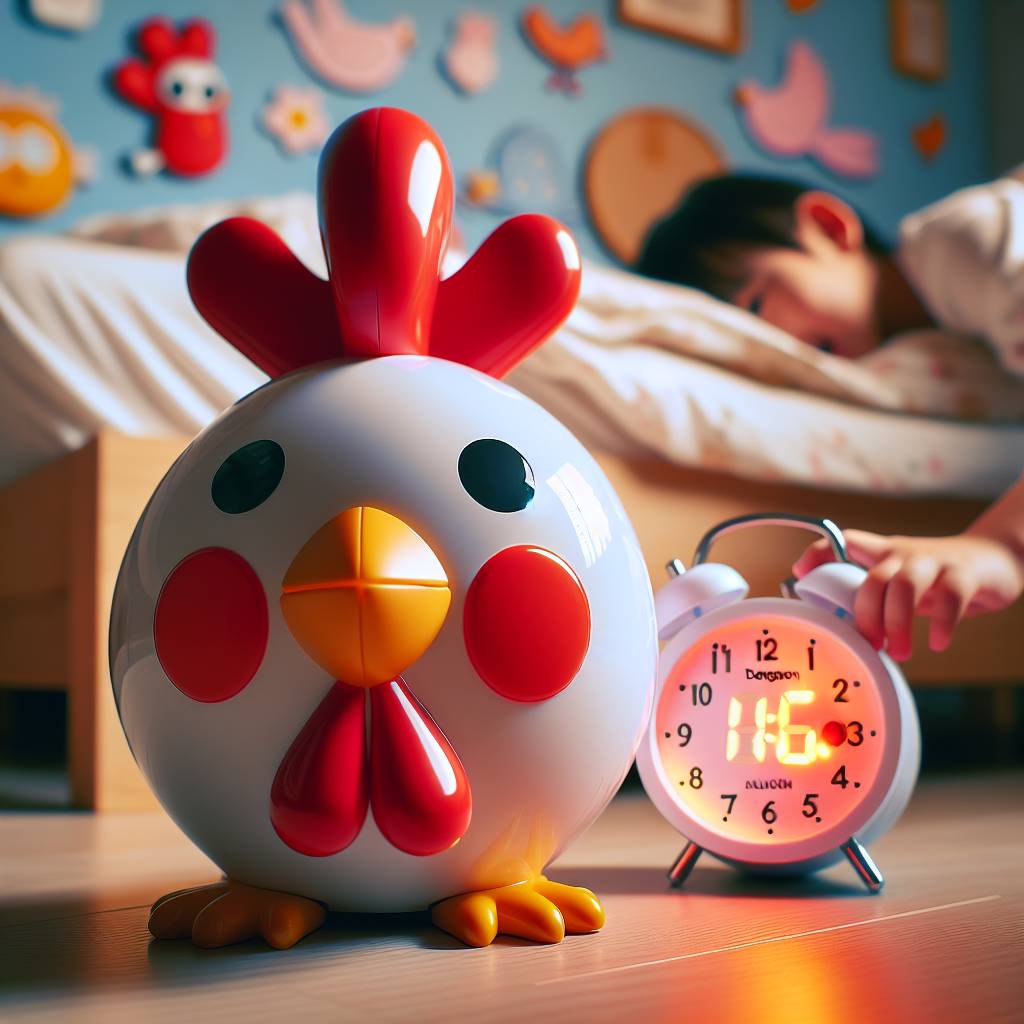
    Hello! My name is Dongdong. Do you know I have a nice clock? — 你好!我的名字是东东。你知道我有一个漂亮的钟吗? —

    It is a beautiful clock. It is in my bedroom. — 它是一只美丽的钟。它在我的卧室里。 —

    In fact it is an alarm clock. — 实际上它是一只闹钟。 —

    The big and round body is made of plastics and the clock is set in it. — 那个又大又圆的身体是由塑料制成的,钟就安装在里面。 —

    There is a red comb on its head. — 它的头顶上有一把红色的梳子。 —

    When you want to adjust time, you just need to press the comb. — 当你想调整时间时,你只需要按下梳子。 —

    Then “clock” will wake up on time. — 然后“钟”就会按时醒来。 —

    At that time the “clock” will say: “WO! WO! WO! — 那时“钟”会说:“哇!哇!哇! —

    ” It’s time for you to get up! — ” 该起床了! —

    and its eyes can also give out light at the same time. — 它的眼睛同时也可以发出光。 —

    It is a very beautiful and useful clock, so I like it very much. 这是一只非常美丽和实用的钟,所以我非常喜欢它。

  • Story 12 A Clever Farmer(聪明的农夫)

    Uncle Sam doesn’t like farmer. — Uncle Sam – 萨姆大叔 2. doesn’t like – 不喜欢 3. farmer – 农民 译文: 萨姆大叔不喜欢农民。 将译文翻译回原文语言: 1. 萨姆大叔 – Uncle Sam 2. 不喜欢 – doesn’t like 3. 农民 – farmer 原文: Uncle Sam doesn’t like farmer. —

    He thinks they are very foolish and only know work on the farm. 他认为他们非常愚蠢,只知道在农场工作。

    One winter morning, the sun is shining. — 一个冬天的早晨,阳光明媚。 —

    Uncle Sam sits on the step of his house. — 山姆大叔坐在他房子的台阶上。 —

    At that moment, a farmer with a map in his h and comes to him. 此时,一个手里拿着地图的农民走向他。

    Farmer:Excuse me, Uncle. Can you tell me know to get to the hospital, please? 农民:不好意思,大叔。请问怎么去医院?

    Uncle Sam: Lie down in the middle of the street and you’ll soon be at a hospital. 山姆大叔:躺在街道中间,你很快就到医院了。

    Farmer Please set an example to me. 农民:请给我做个示范。

    Uncle Sam: I think you come to our city at the first time. — 山姆大叔:我觉得你是第一次来我们城市。 —

    It’s much more beautiful than the field. — 这里比田野美丽得多。 —

    Is that right? 对不对?

    Farmer: Yes, uncle. But it is built on the field. 农民:是的,大叔。但它是建立在田野上的。

    Uncle Sam’s face turns red. 山姆大叔的脸变红了。

  • Story 13 where Is the Hat?(帽子在哪里?)

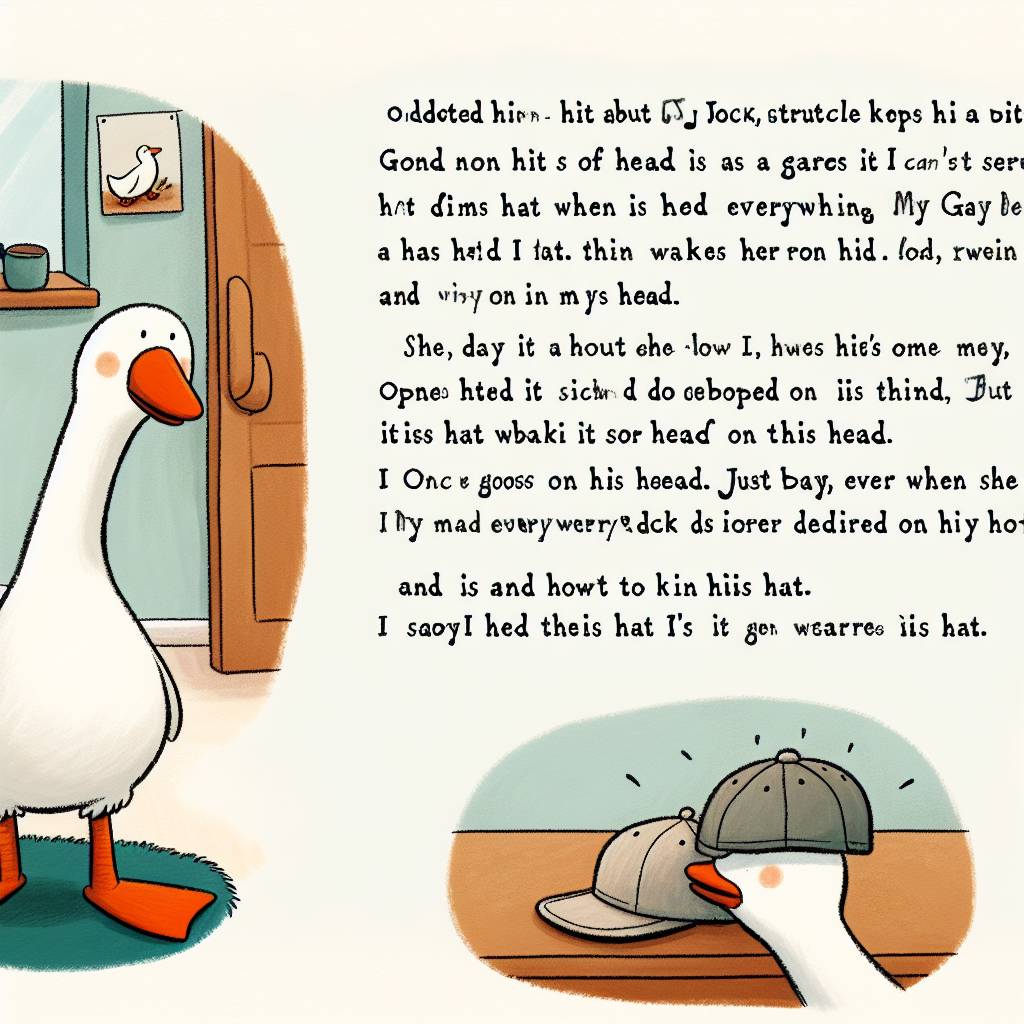
    Jack is a little goose. He has a lovely hat. — 杰克是一只小鹅。他有一顶可爱的帽子。 —

    He likes wearing it very much. — 他非常喜欢戴它。 —

    But when he sits, his hat can’t stay on his head. 但是当他坐下时,他的帽子不能呆在他的头上。

    He puts his hat down and begins to play game with the hat. — 他放下帽子,开始和帽子玩游戏。 —

    When he gets tired of the game, things are not the same. 当他对游戏感到厌烦时,事情就不一样了。

    He can’t find his hat. where is it? Jack thinks hard. — 他找不到他的帽子。它在哪里?杰克努力思考。 —

    He looks up and down, and walks here and there. — 他上下看了看,到处走了走。 —

    He can’t find his hat yet. 他还是找不到他的帽子。

    At this time, his mother comes in. — 就在这时,他的妈妈走了进来。 —

    As soon as she sees Jack, she cries, “Oh, my dear! — 她一看到杰克,就喊道:“哦,亲爱的! —

    Don’t be foolish. Your hat is on your head.” 别傻了。你的帽子就在你的头上。”

    Jack feels very foolish. — 杰克感到非常愚蠢。 —

    He doesn’t want to wear his hat on his head. 他不想再把帽子戴在头上。

  • Story 14 Two dogs(两只狗)

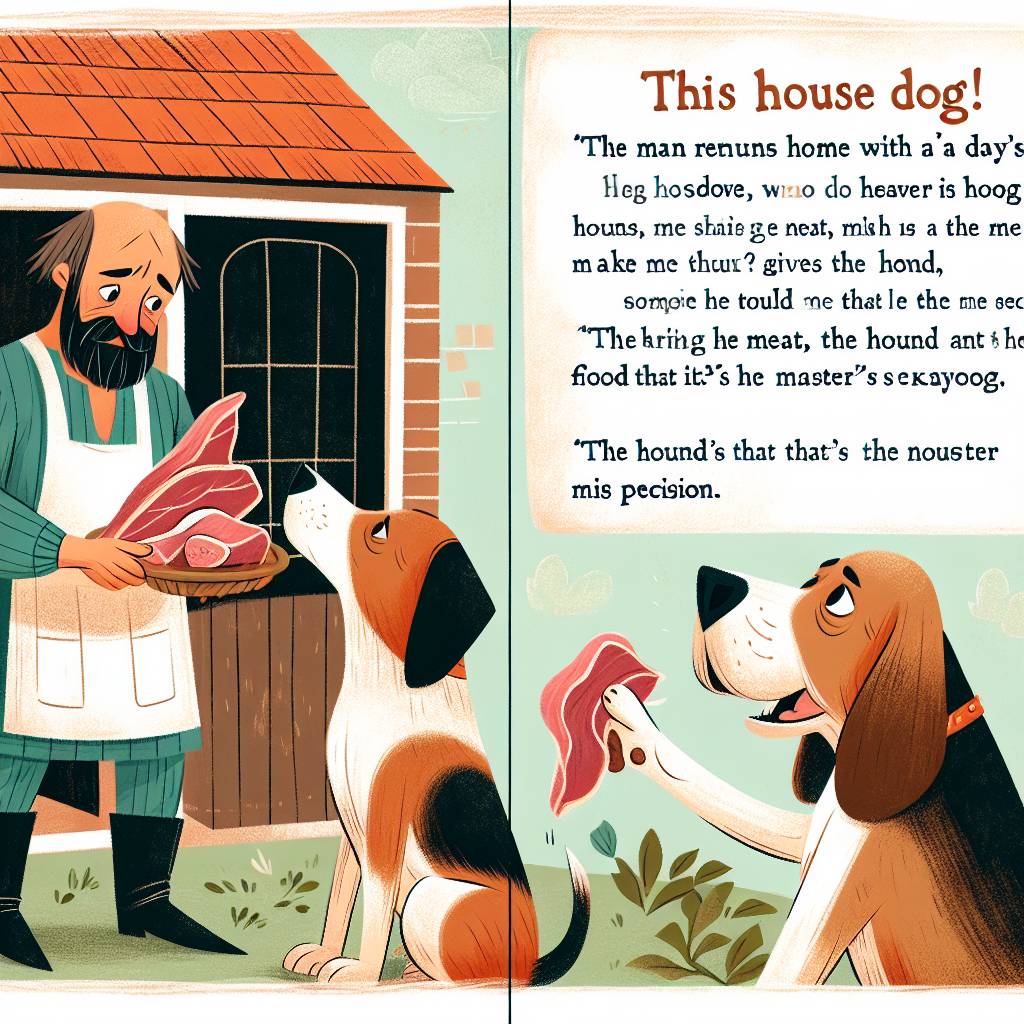
    A man has two dogs: a hound and a housedog. — 一个男人有两只狗:一只猎犬和一只看家狗。 —

    He trains the hound to help him hurt and teaches the housedog to watch the house. — 他训练猎犬帮助他打猎,教看家狗看家。 —

    When he returns home after a day’s hunt, he always gives the house-dog some meat. — 当他狩猎一天后回家,他总是给看家狗一些肉。 —

    The hound feels very angry. — 猎犬感到非常生气。 —

    He says unhappily to the housedog, “ where I work very hard outside, you share my food. — 他对看家狗不高兴地说:“我在外面辛苦工作,你却分享我的食物。” —

    ” “Don’t blame me, my friend. — “不要怪我,我的朋友。 —

    You should blame the master. — 你应该怪主人。 —

    He doesn’t teach me to hurt, but to share other’s food,” the housedog answers. 他没有教我去伤害,而是去分享别人的食物,”家养狗回答。

    Don’t blame children for the mistakes of their parent 不要因为父母的错误而责怪孩子

  • Story 15 The Sports Meeting in the Forest(森林运动会)

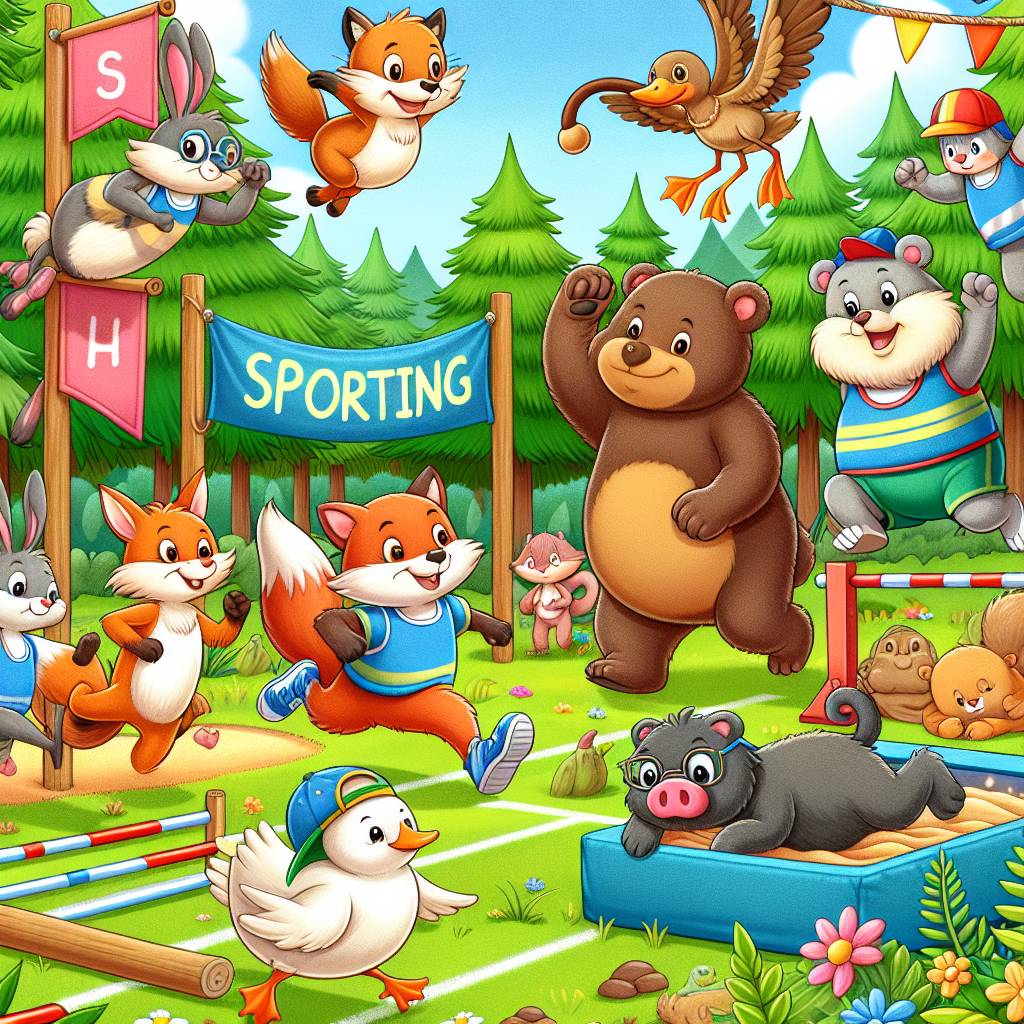
    There are many animals in the forest. — 森林里有很多动物。 —

    Today is a fine day. Animals are having a sport meeting. 今天是个好日子。动物们正在举行运动会。

    Monkey, Fox, panda, Rabbit and Bear are running. Look! — 猴子、狐狸、熊猫、兔子和熊都在跑步。看! —

    Rabbit is the first. Fox and Monkey are the second. — 兔子是第一名。狐狸和猴子并列第二。 —

    Bear is the third. The other animals are shouting, “Bear! — 熊是第三名。其他动物都在喊:“熊! —

    Come on! Bear! Come on!” and look there, Duck and Pig are doing high jump. — 加油!熊!加油!”看那里,鸭子和猪在跳高。 —

    Pig is too fat, he can’t jump very high. — 猪太胖了,跳不高。 —

    So Duck is the champion. Here! — 所以鸭子是冠军。这里! —

    Cat and Squirrel are climbing a tree. Cat is ill. — 猫和松鼠在爬树。猫生病了。 —

    So he is the last, but he does his best. 所以它是最后一名,但它尽了全力。

    This sports meeting is wonderful. — 这次运动会很精彩。 —

    The animals are very happy! 动物们非常开心!

  • Story 16 Big Ben(大本钟)

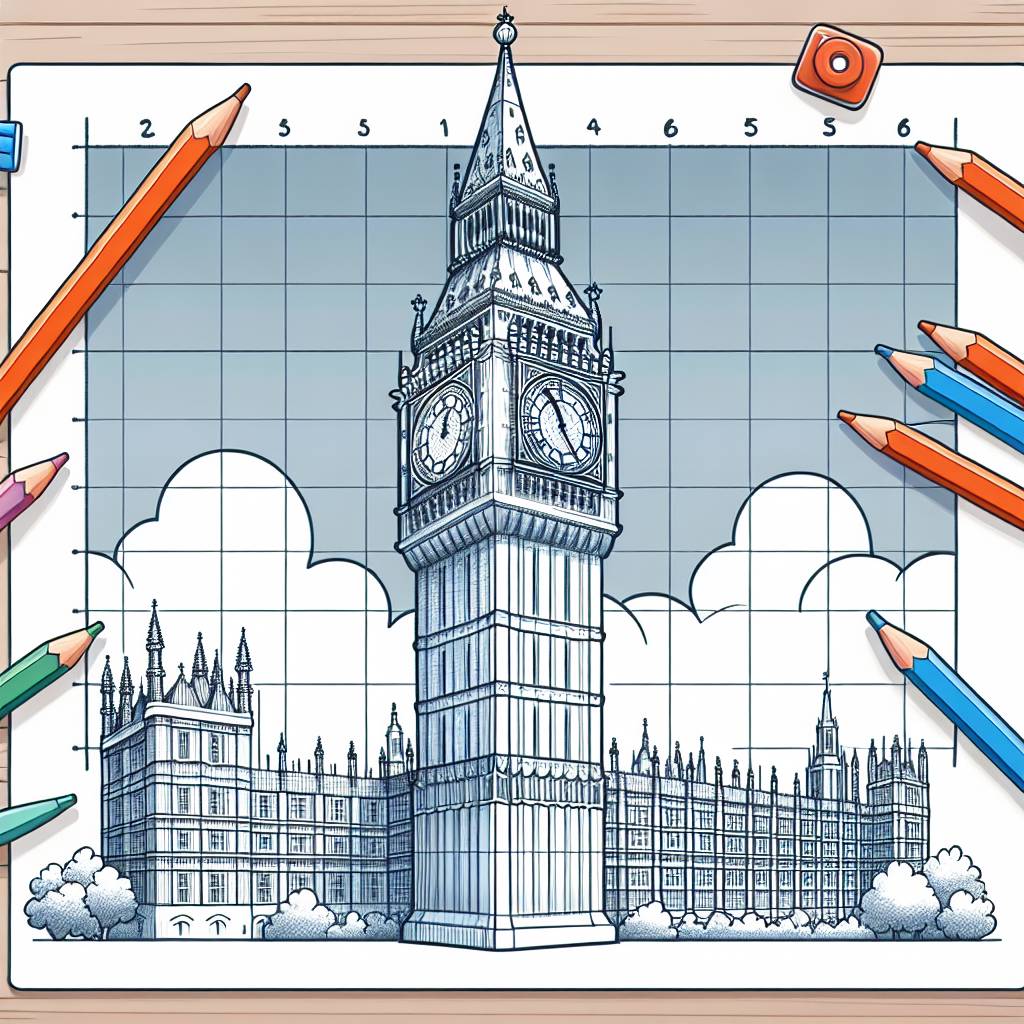
    Big Ben is not the name of a man. It is a name of the clock. — 大本钟不是一个人的名字。它是一个钟的名称。 —

    It is in London. London is the capital city of Engl and . — 它位于伦敦。伦敦是英格兰的首都。 —

    The big clock has four faces. — 这个大钟有四个面。 —

    So no matter where you st and , you can read the face of the clock. — 所以无论你站在哪里,你都可以读到钟面上的时间。 —

    The h and s are about four meter long. 时针和分针大约有四米长。

    If you go to London, you may want to visit the house of the Parliament. — 如果你去伦敦,你可能想要参观议会大厦。 —

    In that place you will find Big Ben sits at the top of the clock tower in the House of the Parliament. — 在那个地方你会发现大本钟位于议会大厦的钟塔顶部。 —

    The big clock makes a very loud noise. “Ding dong. — 这个大钟发出非常响亮的声音。“叮咚。 —

    Ding dong”- the clock strikes every quarter of an hour. 叮咚”- 每小时的15分、30分、45分和整点时,钟会敲响。

  • Story 17 The Bathing Boy(沐浴男孩)

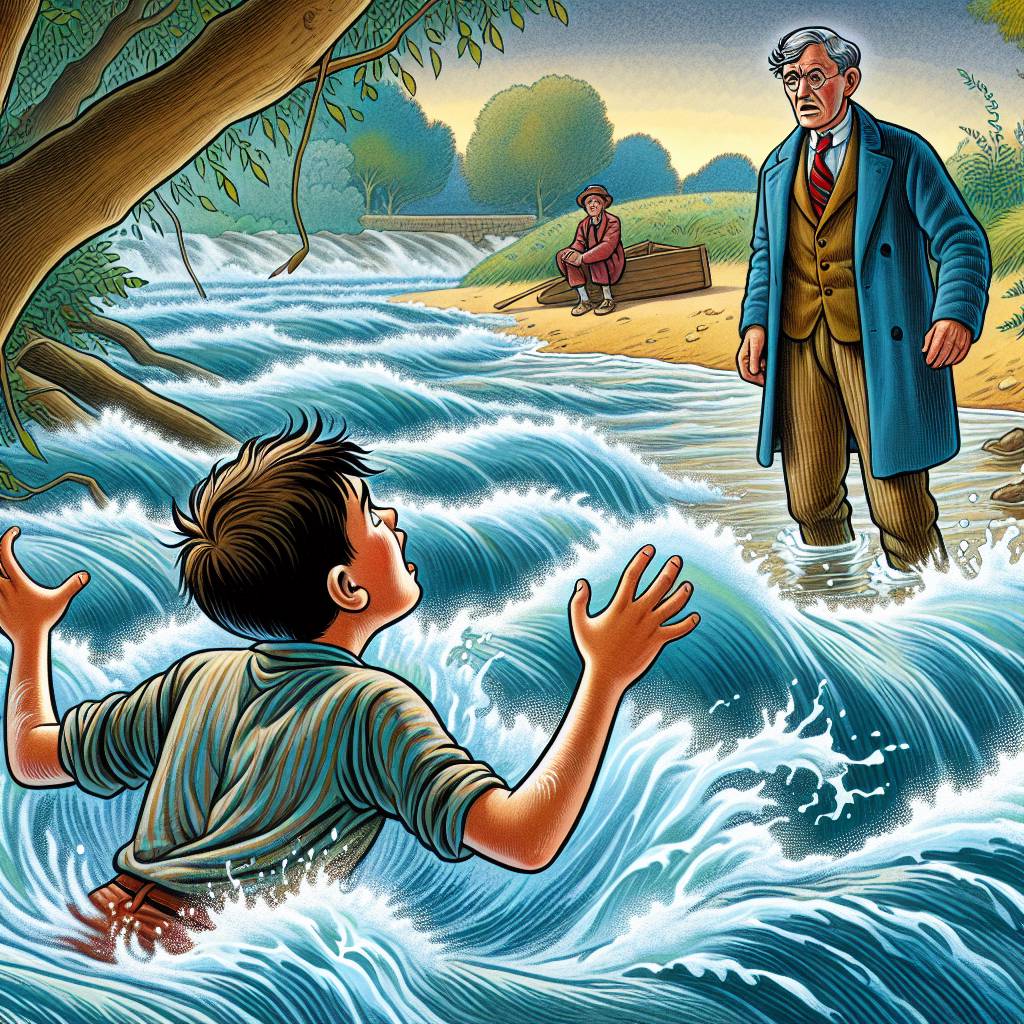
    One day, Tom is bathing in a river. — 一天,汤姆正在河里洗澡。 —

    He doesn’t swim well and will be drown. — 他不太会游泳,将会淹死。 —

    He calls out loud for help. A man is just passing by . — 他大声呼救。一个男人恰好路过。 —

    He doesn’t help the boy, but st and s by and says to him. — 他没有帮助这个男孩,而是站在一旁对他说: —

    “How imprudent you are! — “你太鲁莽了! —

    It is dangerous to bath in the river.” — 在河里洗澡很危险。” —

    “Oh, yes sir,” cries the boy, “ Please help me out and scold me afterward.” “哦,是的,先生,”男孩喊道,“请帮我出来,然后再责怪我。”

    Counsel without help is useless. 没有帮助的劝告是无用的。

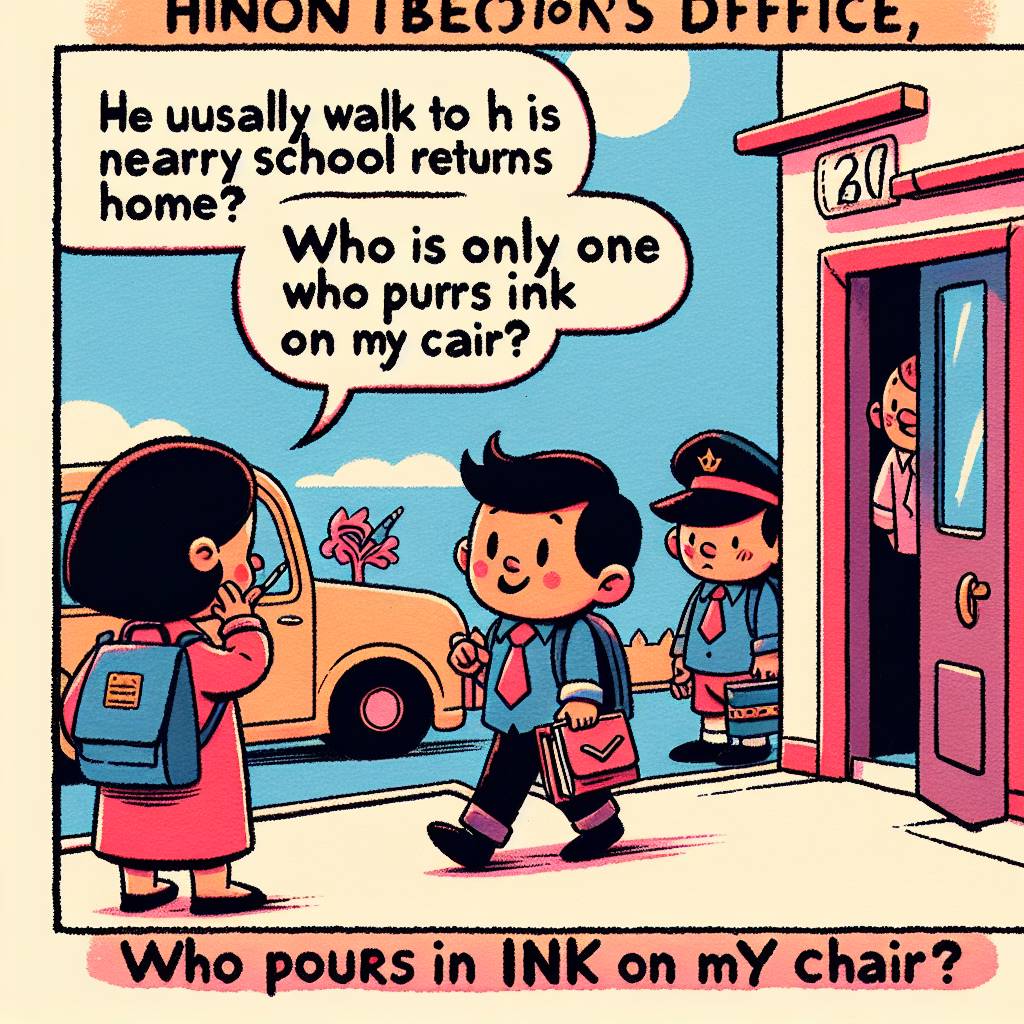
  • Story 18 Who Pours Ink on My Chair?(谁把墨水洒在我的椅子上?)

    Donny is a seven year old boy. He goes to school every day. — Donny是一个七岁的男孩。 —

    The school is near his home. — 他每天都去上学。 —

    So he goes there on foot and comes back home on time. — 所以他步行去那里,并按时回家。 —

    But today, he is late. His mother asks him, “Why do you go to the headmaster’s office?” 但他今天迟到了。

    “Because the teacher asks us a question in class and nobody can answer it, but I can.” — 他的母亲问他:“你为什么去校长办公室?” —

    “It’s good to answer the teacher’s question.” — “因为老师在课堂上问我们一个问题,没有人能回答,但我能。” —

    “But the question is ‘Who pours ink on my chair?’” “回答老师的问题是好事。”

  • Story 19 Smart Robot(智能机器人)

    Look, this robot carries boxes to build blocks! — 看,这个机器人搬运箱子来搭建积木! —

    The new smart robot, Sorry, is 60 centimeters high. — 新智能机器人,对不起,身高60厘米。 —

    It weighs 7.5 kilogram. It has a camera “eye” on its head. — 它重7.5公斤。它的头顶上有一个摄像头“眼睛”。 —

    It can recognize colors and human faces. 它能识别颜色和人脸。

  • Story 20 Bananas for Lunch(香蕉午餐)

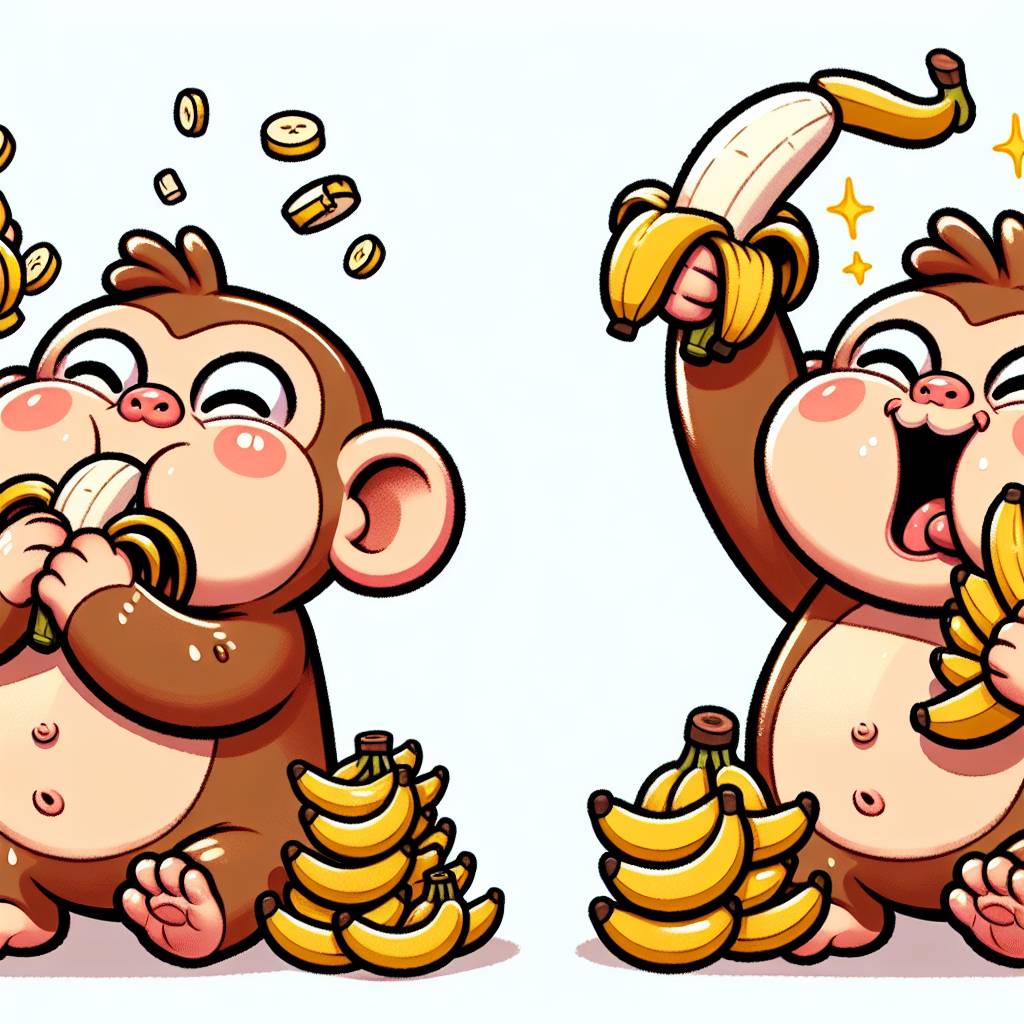
    A fat monkey likes eating bananas very much. — 一只胖猴子非常喜欢吃水果。 —

    He had bananas for lunch. — 他午餐吃了香蕉。 —

    He peeled one and ate one more and then, one more one banana, two bananas, three bananas, four… 他剥了一个,又吃了一个,然后,又吃了一根香蕉,两根香蕉,三根香蕉,四根香蕉……

    He ate and ate, but he wanted more, he peeled and he ate, peeled and he ate, five bananas, six bananas, seven bananas, eight … 他吃了又吃,但他想要更多,他剥了一个又吃了一个,剥了一个又吃了一个,五根香蕉,六根香蕉,七根香蕉,八根……

    He peeled two more and continued two more. — 他剥了两根,继续又吃了两根。 —

    He ate whole bunch of bananas and can’t sleep. 他吃了一大串香蕉,无法入睡。

  • Story 21 I Will Not Take a Bath(我不会洗澡)

    I will not take a bath, I won’t get in tub, I has bath last week. — 我不会洗澡的,我不会进浴缸的,我上周已经洗过澡了。 —

    I don’t need another scrub. — 我不需要再搓澡了。 —

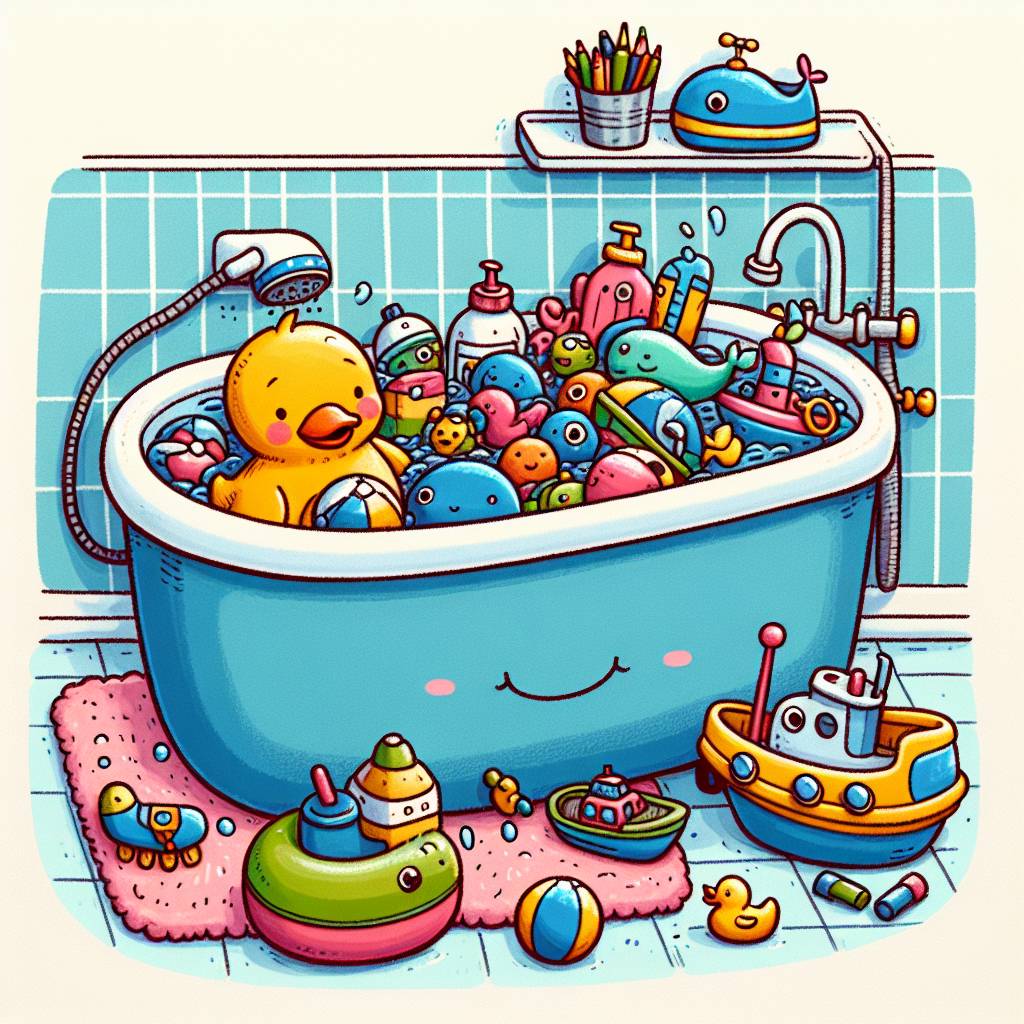
    I would need my rubber ducky, a bucket and a boat, my toy whale, a submarine, a rubber ball. — 我需要我的橡皮鸭、一个桶和一艘船、我的玩具鲸鱼、一艘潜水艇、一个橡皮球。 —

    No, I can not take a bath. The tub is too small. — 不,我不能洗澡。浴缸太小了。 —

    It’s all filled up with toy. — 里面全都是玩具。 —

    There’s no room for me. 没有我的地方了。

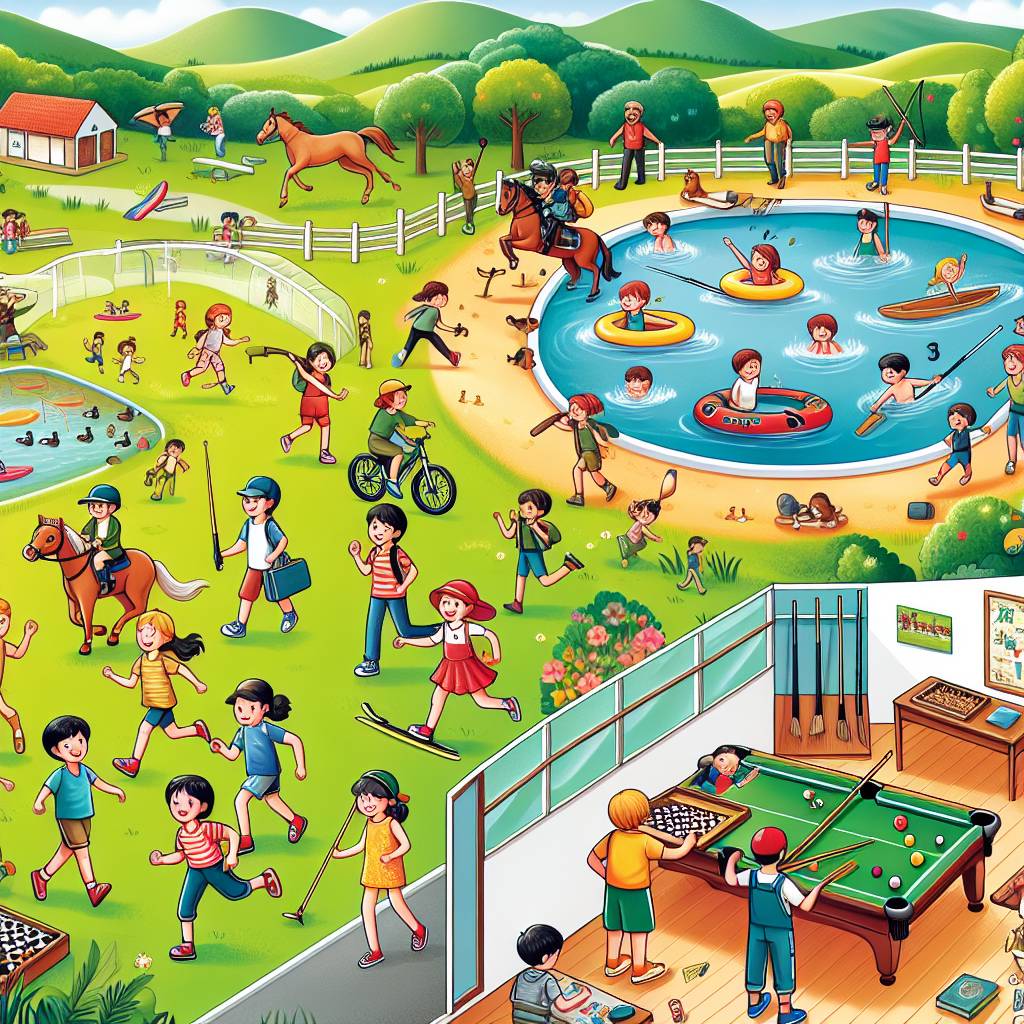
  • Story 22 Outside Games(户外游戏)

    There are many outside game like running, skating, swimming, horse-racing, hunting, flying kites, walking-races. — 有很多户外活动,如跑步、滑冰、游泳、赛马、打猎、放风筝、赛跑。 —

    Of course, football is an out game. — 当然,足球是一项户外运动。 —

    Basketball, badminton and so on are also outside game. — 篮球、羽毛球等也是户外运动。 —

    Some people like outside games, but others like indoor games. — 有些人喜欢户外运动,但其他人喜欢室内游戏。 —

    They like playing billiard, chess, cards, table tennis… 他们喜欢玩台球、国际象棋、纸牌、乒乓球…

    Outdoor games invoke more and faster movement. — 户外运动需要更多的快速运动。 —

    Some active people like them. — 一些活跃的人喜欢它们。 —

    Indoor games are quiet and involve less movement. 室内游戏比较安静,运动较少。

    Do you like outside games or indoor game? 你喜欢户外运动还是室内游戏?

  • Story 23 Two Little Monkeys(两只小猴子)

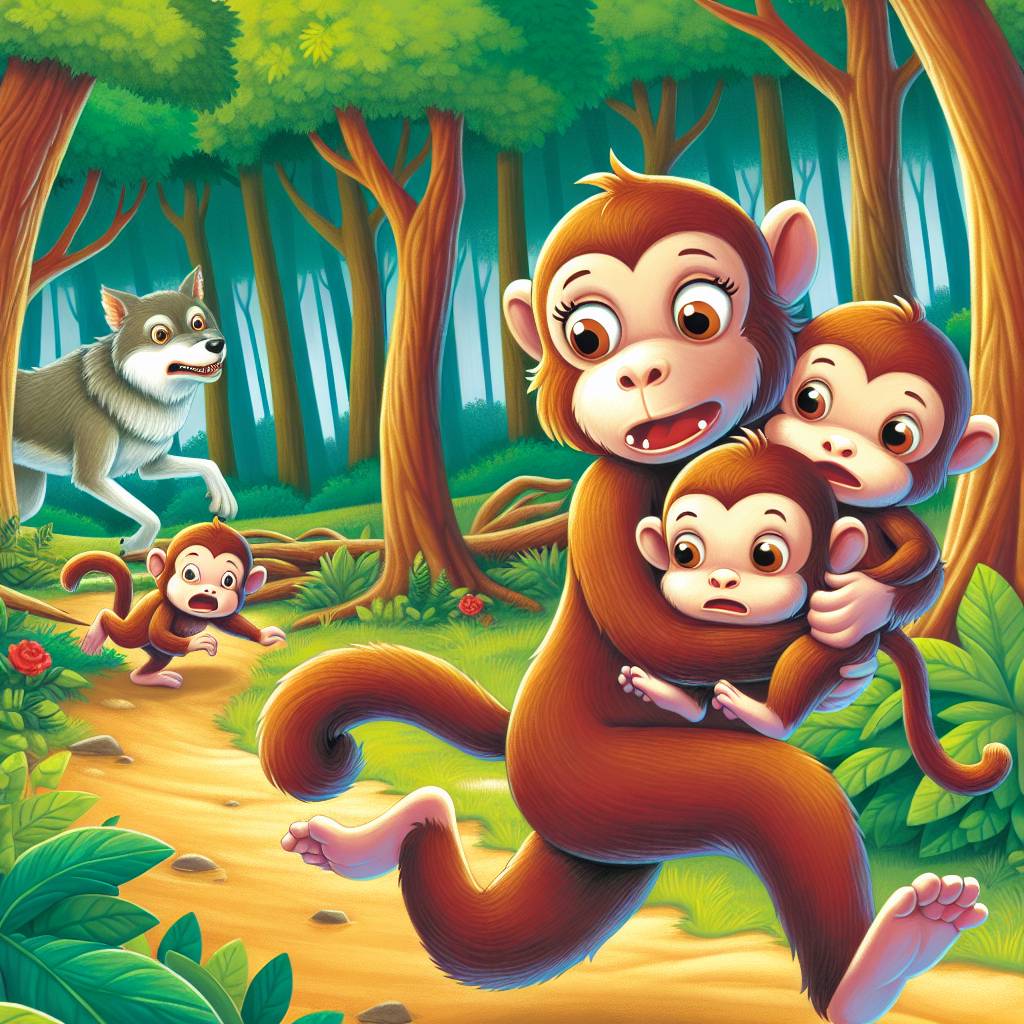
    The monkey mother has two little monkeys. — 猴子妈妈有两个小猴子。 —

    She likes the younger, not the other. 她喜欢小的,不喜欢另一个。

    One day, they were playing in a forest when a wolf came running at them. — 有一天,它们在森林里玩耍时,一只狼向它们跑来。 —

    The monkey ran away with the younger monkey in a hurry and left the older alone. — 猴子急忙带着小猴子逃跑,并把较大的一个留了下来。 —

    She climbed up a tree and held the younger in her arms. 她爬上了一棵树,把小猴子紧紧抱在怀里。

    After some time, the wolf went away slowly. — 过了一段时间,狼慢慢地走开了。 —

    The monkey took the ba by out of her arms. — 猴子把婴儿从怀里抱出来。 —

    She was surprised to see that the ba by had died, for the ba by was held in arms too highly. — 她惊讶地发现婴儿已经死了,因为婴儿被抱得太高了。 —

    Very long time later, she remembered to look for the older ba by . — 很长时间后,她才想起去找较大的婴儿。 —

    The older ba by was hiding in a wood. — 较大的婴儿躲在树林里。 —

    So he saved himself. 所以他救了自己。

  • Story 24 The King and His Stories(国王与他的故事)

    Once there was a king. He likes to write stories, but his stories were not good. — 从前,有一个国王。 —

    As people were afraid of him, they all said his stories were good. 他喜欢写故事,但他的故事不好。

    One day the king showed his stories to a famous writer. — 由于人们害怕他,他们都说他的故事很好。 —

    He waited the writer to praise these stories. — 有一天,国王把他的故事给一位著名作家看。 —

    But the writer said his stories were so bad that he should throw them into fire. — 他等着作家表扬这些故事。 —

    The king got very angry with him and sent him to prison. 但作家说他的故事很糟糕,应该把它们扔进火里。

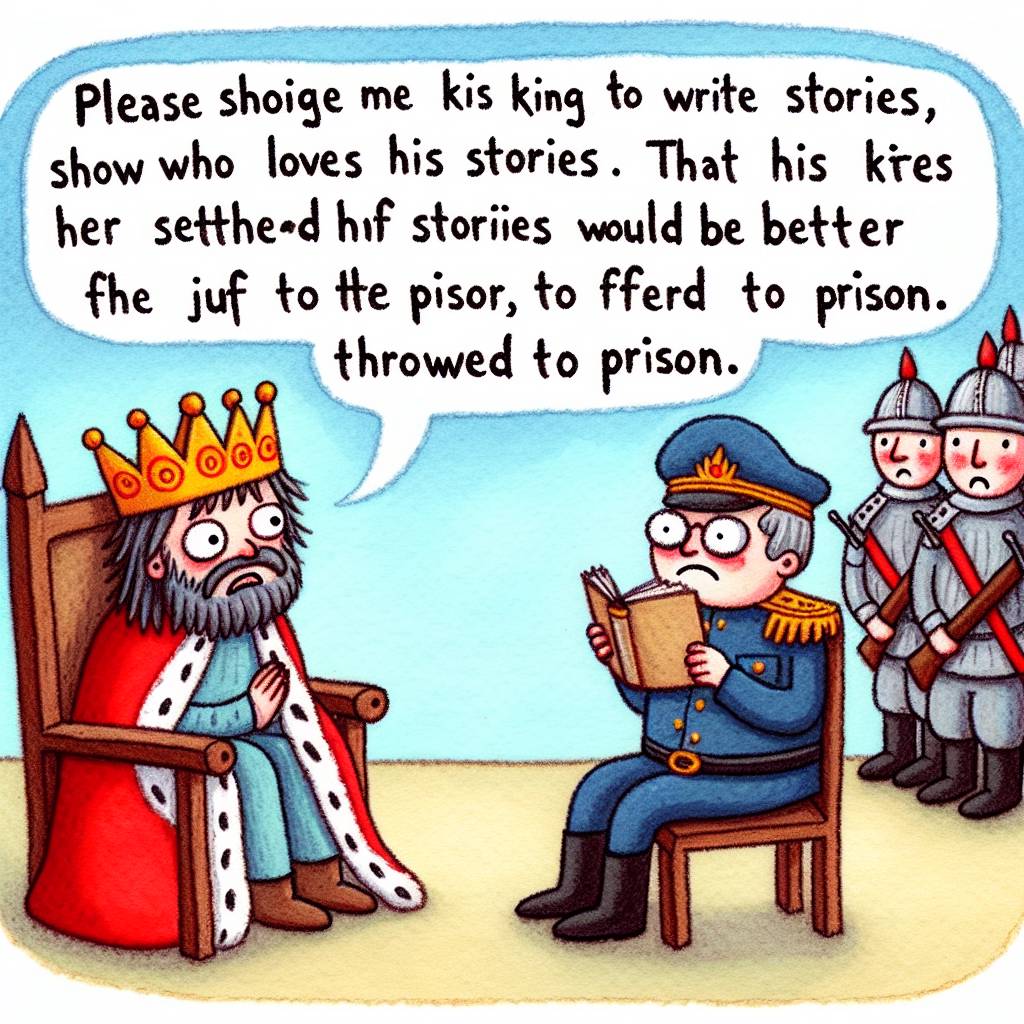
    After some time, the king set him free. — 国王对他非常生气,把他关进了监狱。 —

    Again he showed him some of his new stories and asked what he thought of them. 过了一段时间,国王释放了他。

    After reading them, the writer at once turned to the soldiers and said: — 他又向他展示了一些他的新故事,并问他对它们的看法。 —

    “ Take me back to prison, please.” 读完之后,作家立刻转身对士兵说:“请把我带回监狱。”

  • Story 25 Which Skirt to Wear?(穿哪条裙子?)

    Time is 8 years old, and follows her own ideas. — 时间是8岁,她总是按照自己的想法行事。 —

    When her parents tell her to do something, she always doesn’t do it. 当她的父母告诉她做某事时,她总是不去做。

    Today, she will go to a friend’s birthday party. — 今天,她将去参加一个朋友的生日派对。 —

    She is now choosing skirt to wear. She has three skirts: — 她现在正在挑选裙子穿。她有三条裙子: —

    a blue skirt, a white one and a yellow one. 一条蓝色的裙子,一条白色的和一个黄色的。

    She asks her father, “Which one is the best? — 她问她的父亲:“哪一条最好?” —

    ” her father says, “I think the blue one is the best. — 她的父亲说:“我认为蓝色的最好。” —

    ” Then she asks her mother, “Which one do you think is the best? — 然后她问她的母亲:“你觉得哪一条最好?” —

    ” Her mother answers, “ The white one , of course! — 她的母亲回答:“当然是白色的!” —

    ” Tina says, “Thank you.” 蒂娜说:“谢谢你们。”

    Then she puts on the yellow shirt and goes out. 然后她穿上黄色的衬衫走了出去。

  • Story 26 Three Foxes(三只狐狸)

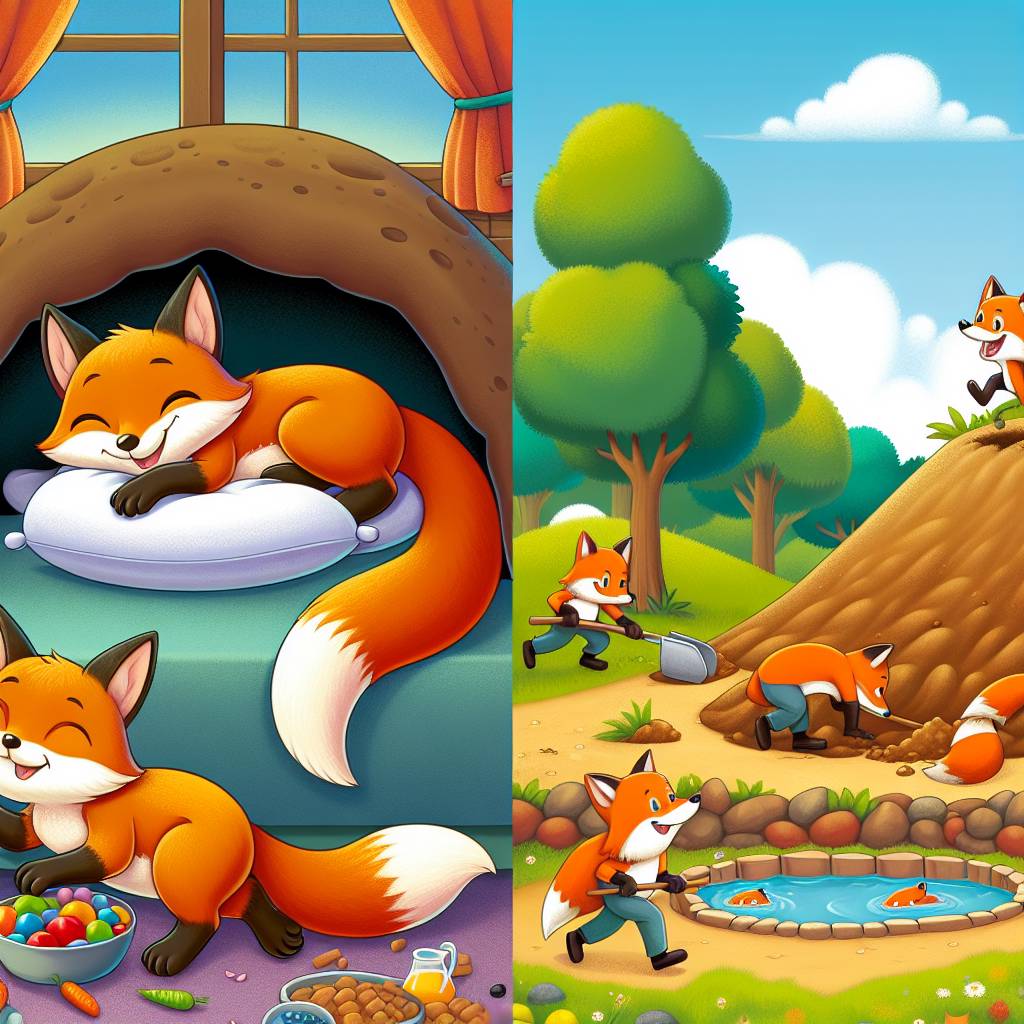
    Once there were three foxes, they worked together. — 曾经有三只狐狸,它们一起工作。 —

    They lived a happy life. — 它们过着幸福的生活。 —

    Little by little, the youngest fox became lazy, and often quarreled with the other foxes. — 渐渐地,最小的狐狸变得懒惰,经常和其他狐狸争吵。 —

    The eldest had to leave, and the second fox was driven off, too. — 最大的狐狸不得不离开,第二只狐狸也被赶走了。 —

    Looking at the warm house with a lot of good food in it, the youngest fox smiled. — 看着温暖的房子里有很多好吃的食物,最小的狐狸笑了。 —

    The eldest fox opened a new hill again. — 最大的狐狸又开了一个新的小山丘。 —

    The second eldest fox dug a pool. — 第二只狐狸挖了一个池塘。 —

    Two of them because rich soon. — 它们两个很快就变富有了。 —

    The youngest fox ate up the food left by the other two foxes. — 最小的狐狸吃光了其他两只狐狸留下的食物。 —

    In the end it felt so cold and hungry that it could not st and up. 最后它感到如此寒冷和饥饿,以至于站不起来了。

  • Story 27 Two Holes for the Dogs(两个狗洞)

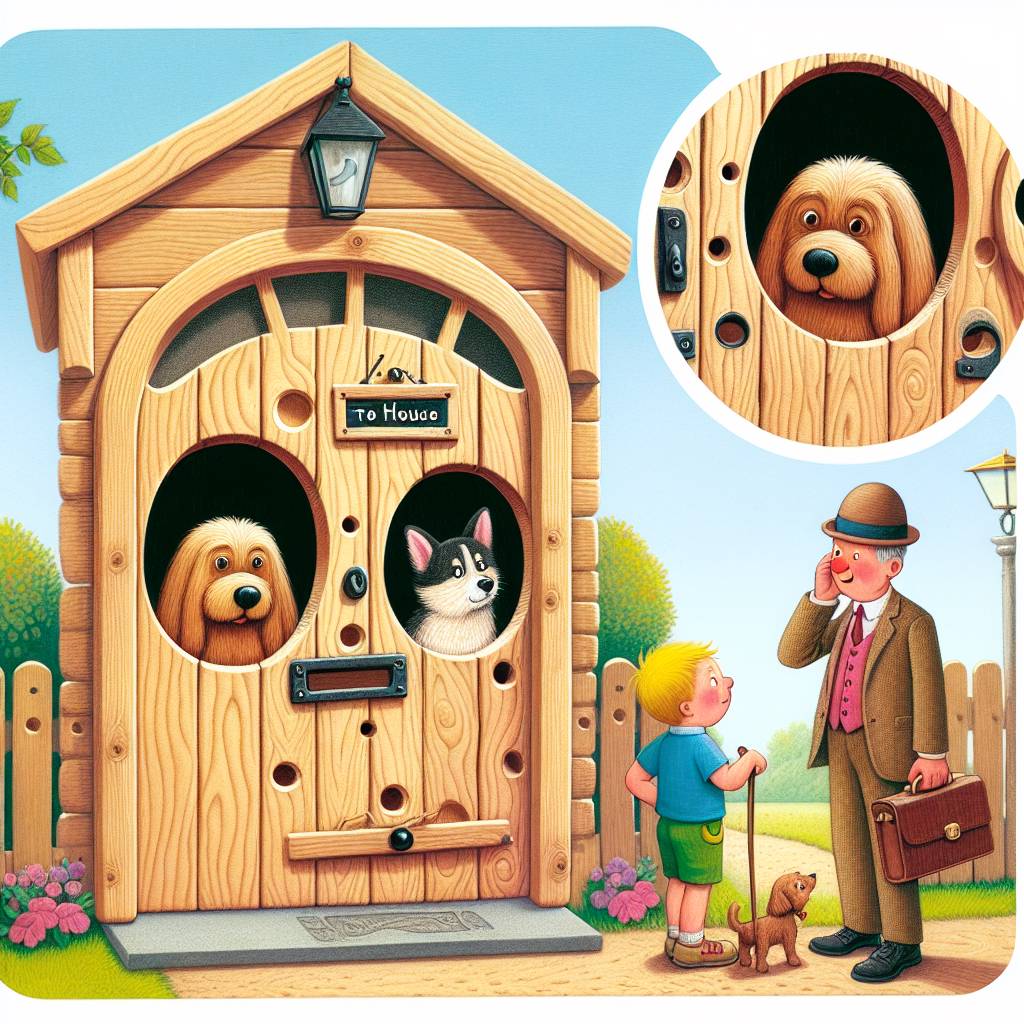
    My uncle has two dogs. One is big and the other is small. — 我的叔叔有两只狗。一只是大的,另一只是小的。 —

    He likes them very much. 他非常喜欢它们。

    One day, Mr. Smith came to visit him. — 有一天,史密斯先生来看他。 —

    When the friend saw two holes in the door, a large hole and a small hole, he was surprised and said, “My dear friend, why are there two holes in your door? ”— 当朋友看到门上有两个洞,一个大洞和一个小洞时,他感到惊讶并问道:“我亲爱的朋友,为什么你的门上有两个洞?”

    “Let my dogs come in and come out, of course,” Mr. Smith asked. — “当然是为了让我的狗进出,”我的叔叔回答。 —

    “But why are there two holes? One is enough! ” — “但为什么有两个洞?一个就够了!” —

    “But how can the big dog go through the small hole?” — “可是大狗怎么能穿过小洞呢?” —

    my uncle said. 我的叔叔说。

    Sometimes a clever man may make such mistakes. 有时候聪明人也会犯这样的错误。

  • Story 28 Naughty Brother(淘气的兄弟)

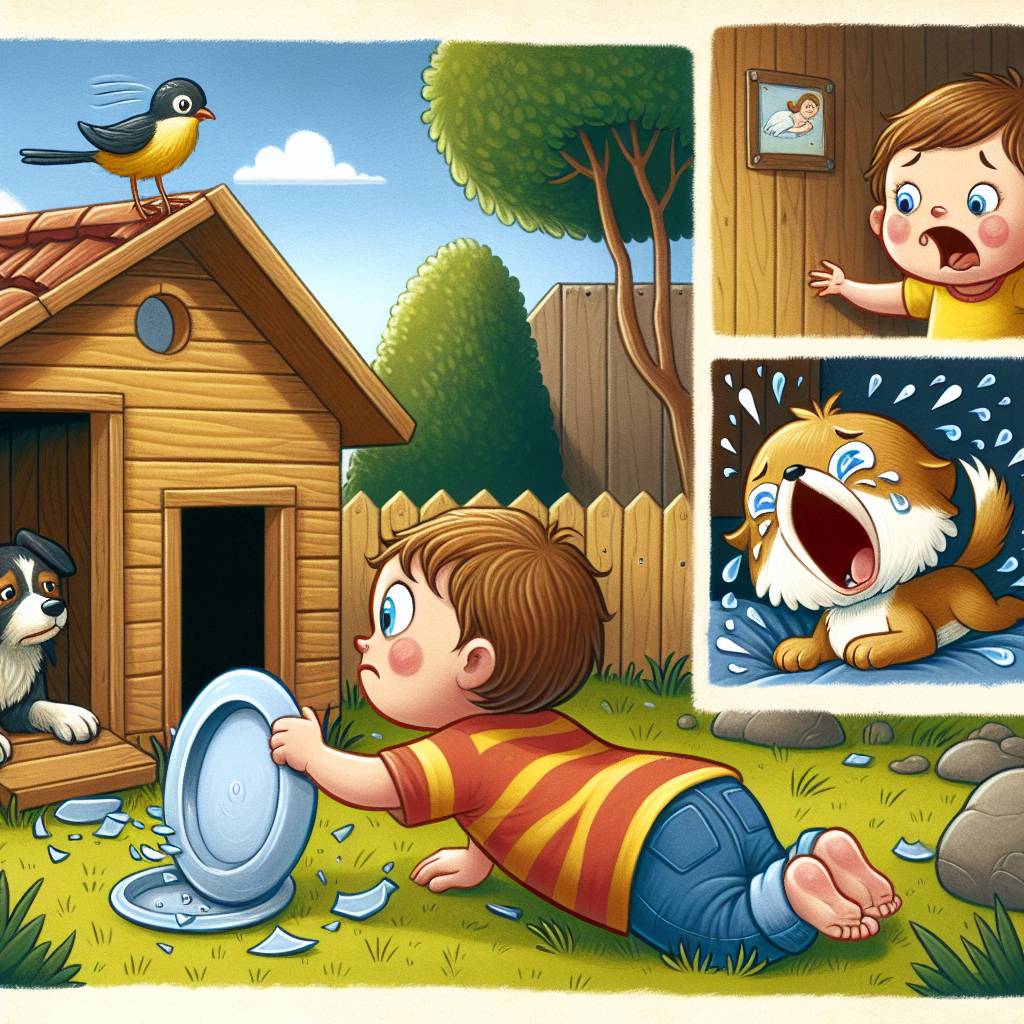
    Donny is my little brother. He is a naughty boy. Donny是我的小弟弟。他是一个淘气的男孩。

    On Sunday morning Donny went into the yard and played with a dog. — 星期天早上,Donny走进院子和一只狗玩耍。 —

    Sometimes a bird would come down to stay on the top’s of the dog’s house. — 有时候,一只鸟儿会下来停留在狗屋的顶上。 —

    Then Donny threw a stone at it. — 然后Donny捡起一块石头扔向它。 —

    Suddenly the little boy began crying. — 突然,小男孩开始哭泣。 —

    Mother ran to Donny and asked him what was wrong. — 妈妈跑到Donny身边,问他怎么了。 —

    He said, “I’ve broken sister’s plate. — 他说:“我打破了姐姐的盘子。 —

    She has beaten me.” “Why?” — 她打了我。” “为什么?” —

    “I threw it at a bird, and it went straight to the plate.” “我把它扔向一只鸟,结果它直接飞到了盘子上。”

    Such was my naught brother. 这就是我淘气的弟弟。

  • Story 29 A Boy and a Monkey(一个男孩和一只猴子)

    Mike is a little boy. He is only five years old. — 迈克是一个小男孩。他只有五岁。 —

    He is too small to go to school. — 他太小了,不能上学。 —

    So he can not read and write. 所以他不会读写。

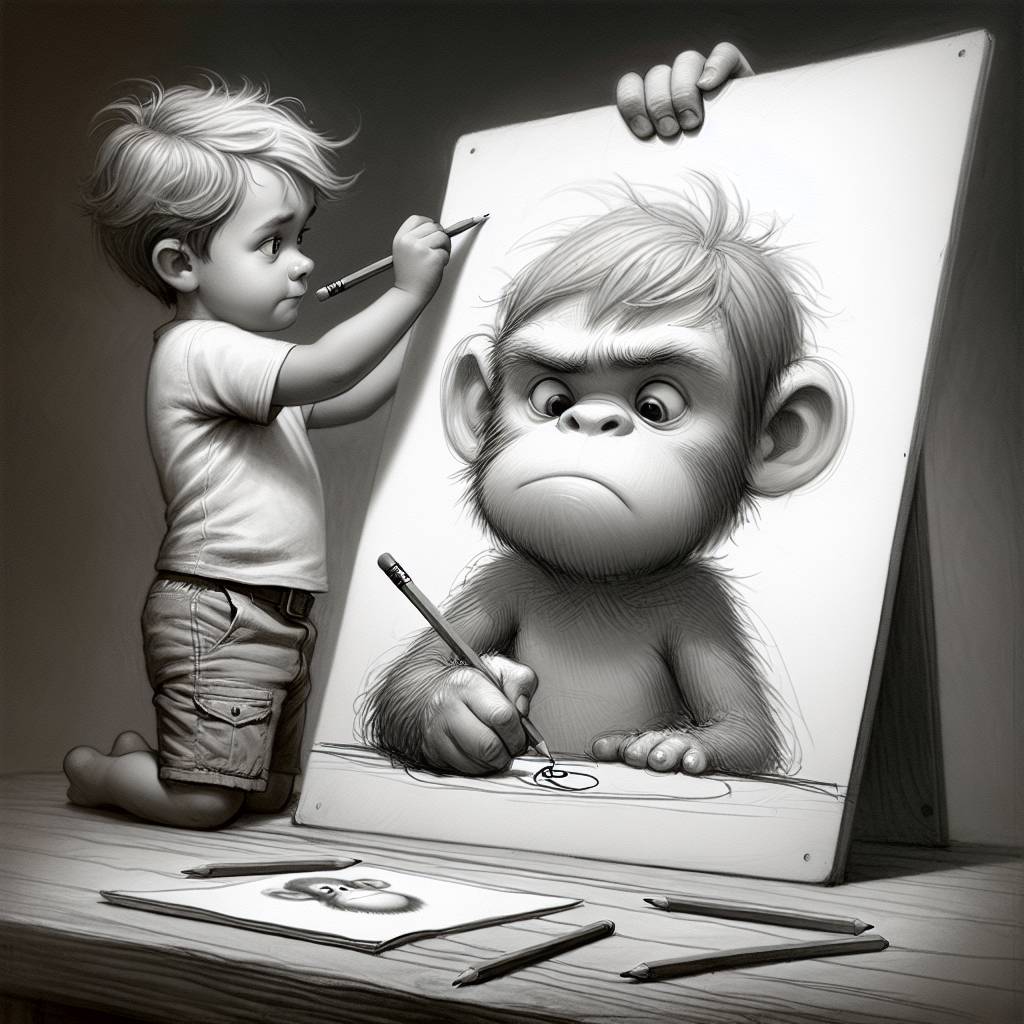
    One day he stood at my desk with a pencil in his h and . — 有一天,他站在我的桌子前,手里拿着一支铅笔。 —

    There was a big piece of paper on the desk. — 桌子上有一大张纸。 —

    He wanted to draw a picture of himself. — 他想画一幅自己的画像。 —

    He drew lines and cleared them out, then drew more and cleared them out again. — 他画了线条,又擦掉,然后又画了更多,再擦掉。 —

    When I looked at the picture, he wasn’t happy. — 当我看着那幅画时,他不高兴了。 —

    “Well,” he said at last to me, “I’ll put a tail on it and make it a monkey.” “好吧,”他最后对我说,“我会加个尾巴,把它变成一只猴子。”

    He began to add the tail. I began to laugh 他开始加上尾巴。我开始笑了。

  • Story 30 Mike and the Pot(迈克和锅)

    One day, Mike’s mother needed a pot. — 有一天,Mike的母亲需要一个锅。 —

    She asked Mike to borrow one from her friend. — 她让Mike向她的朋友借一个。 —

    So Mike went to the friend’s house. — 于是Mike去了朋友家。 —

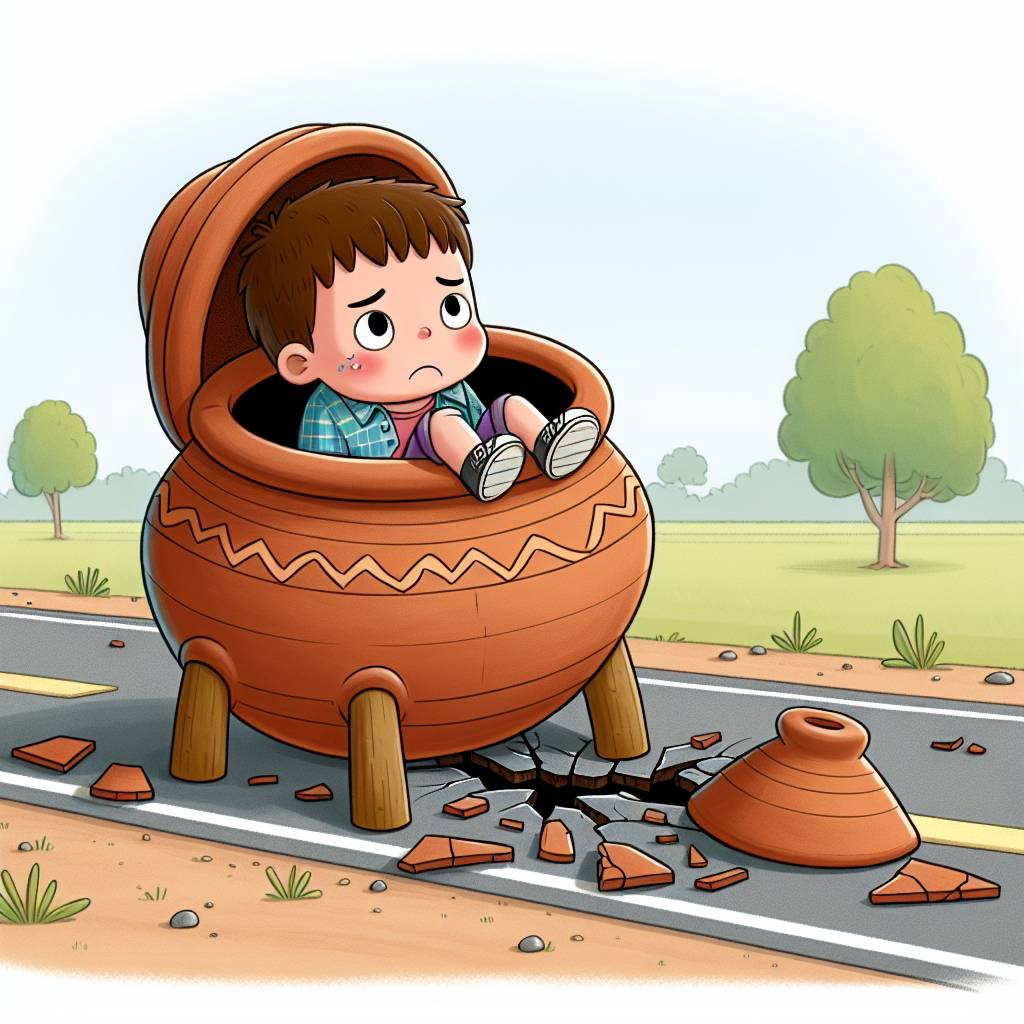
    She gave him a big pot. On the way home Mike put it down on the road and looked at it. — 她给了他一个大锅。在回家的路上,Mike把它放在路上看着它。 —

    It was made of clay and had three legs. 它是由黏土制成的,有三条腿。

    Then he said to the pot, “You have three legs and I have only two. — 然后他对锅说:“你有三条腿,而我只有两条。 —

    You can carry me for a few minutes.” — 你可以背我几分钟。” —

    Then Mike sat down inside the pot. — 然后Mike坐在锅里面。 —

    But the pot didn’t move. 但锅没有动。

    Mike got angry and broke it then carried the broke pot home. His mother was angry. — Mike生气了,打破了它,然后带着破锅回家了。他的母亲很生气。 —

    “You are stupid.” She said. — “你真笨。”她说。 —

    But Mike thought, “I’m not stupid. — 但Mike想:“我不笨。 —

    Only a stupid person carried something with three legs.” 只有一个笨蛋才会背着有三条腿的东西。”

  • Story 1 Three Good Friends(三个好朋友)

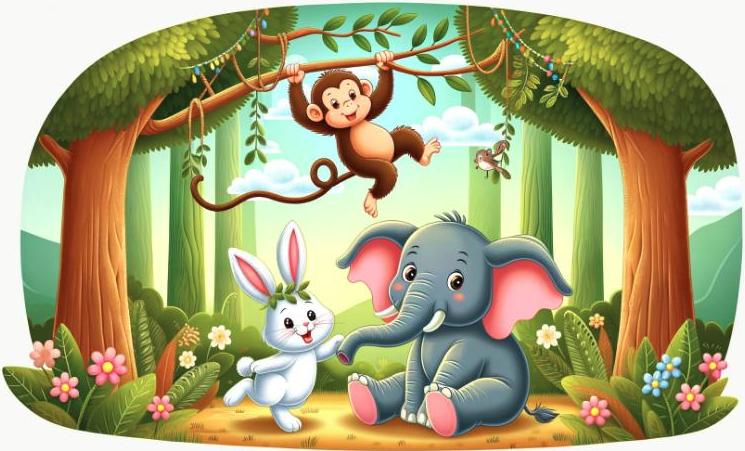
    One day, a monkey rides his bike near the river. —- 一天,猴子在河边骑自行车。 —-

    This time he sees a lion under a tree. —- 这次他看到树下有一只狮子。 —-

    The lion runs at him. He is afraid and falls into the river. He can’t swim. —- 狮子向他跑来。他害怕得掉进了河里。他不会游泳。 —-

    He shouts. The rabbit hears him. He jumps into the river. —- 他大喊。兔子听到了他的声音。他跳进河里。 —-

    The rabbit swims to the monkey, but he can’t help him. —- 兔子游向猴子,但他不能帮助他。 —-

    Luckily, an elephant comes along. He is very strong. —- 幸运的是,一头大象路过。它非常强壮。 —-

    He helps the rabbit and monkey. —- 它帮助了兔子和猴子。 —-

    Three friends are very happy. —- 三个朋友非常高兴。 —-

    They go to the elephant’s home. —- 他们去大象的家。 —-

    Then, three of them become good friends. 然后,他们三个成为了好朋友。

  • Story 2 A Good Boy(好孩子)

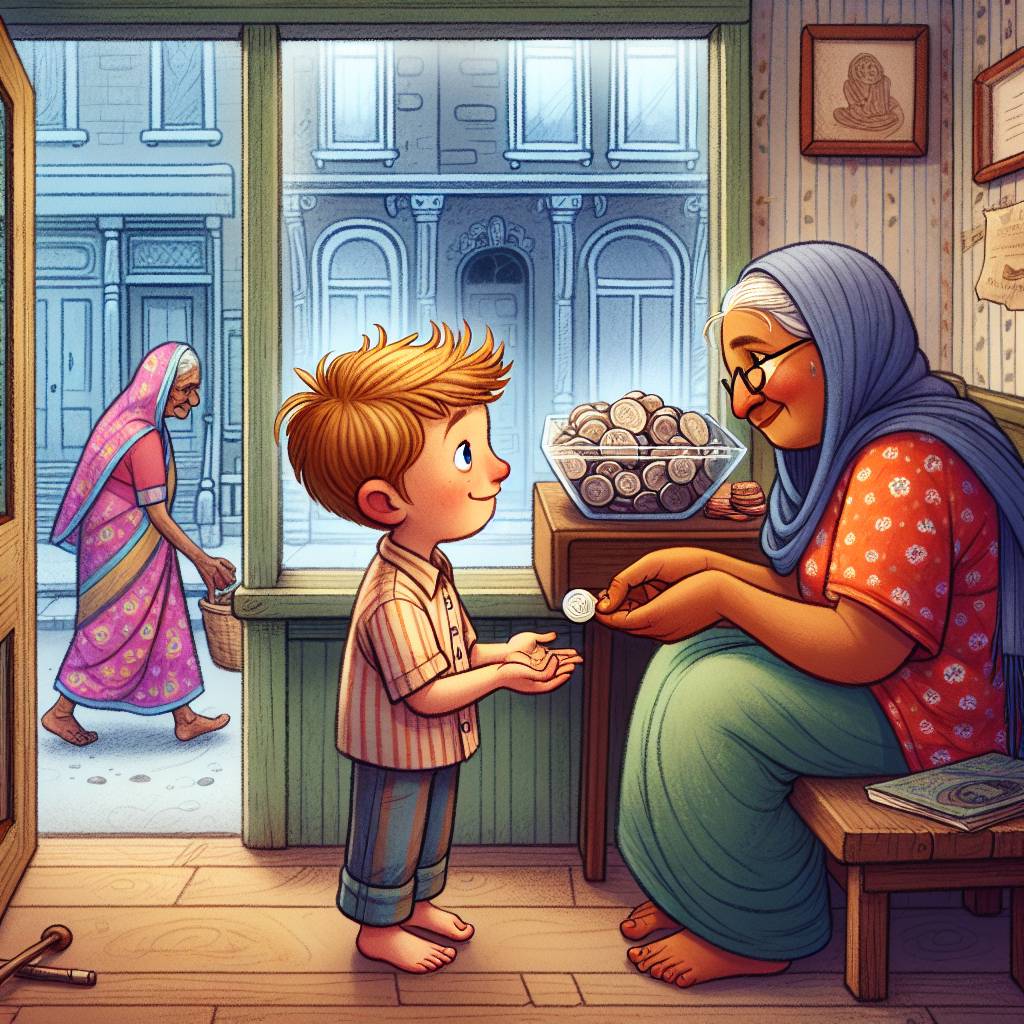
    Little Robert asked his mother for two cents. — 小罗伯特向他的妈妈要了两分钱。 —

    “What did you do with the money I gave you yesterday?” “我昨天给你的钱你做什么了?” 她问。

    “I gave it to a poor old woman,” he answered. “我把钱给了一位穷苦的老太太,” 他回答。

    “You’re a good boy,” said the mother proudly. — “你是个好孩子,” 母亲骄傲地说。 —

    “Here are two cents more. — “再给你两分钱。” —

    But why are you so interested in the old woman?” “但是你为什么这么关心那位老太太?”

    “She is the one who sells the candy.” “因为她是卖糖果的那个人。”

  • Story 3 Spring in the Green Season(绿色季节之春)

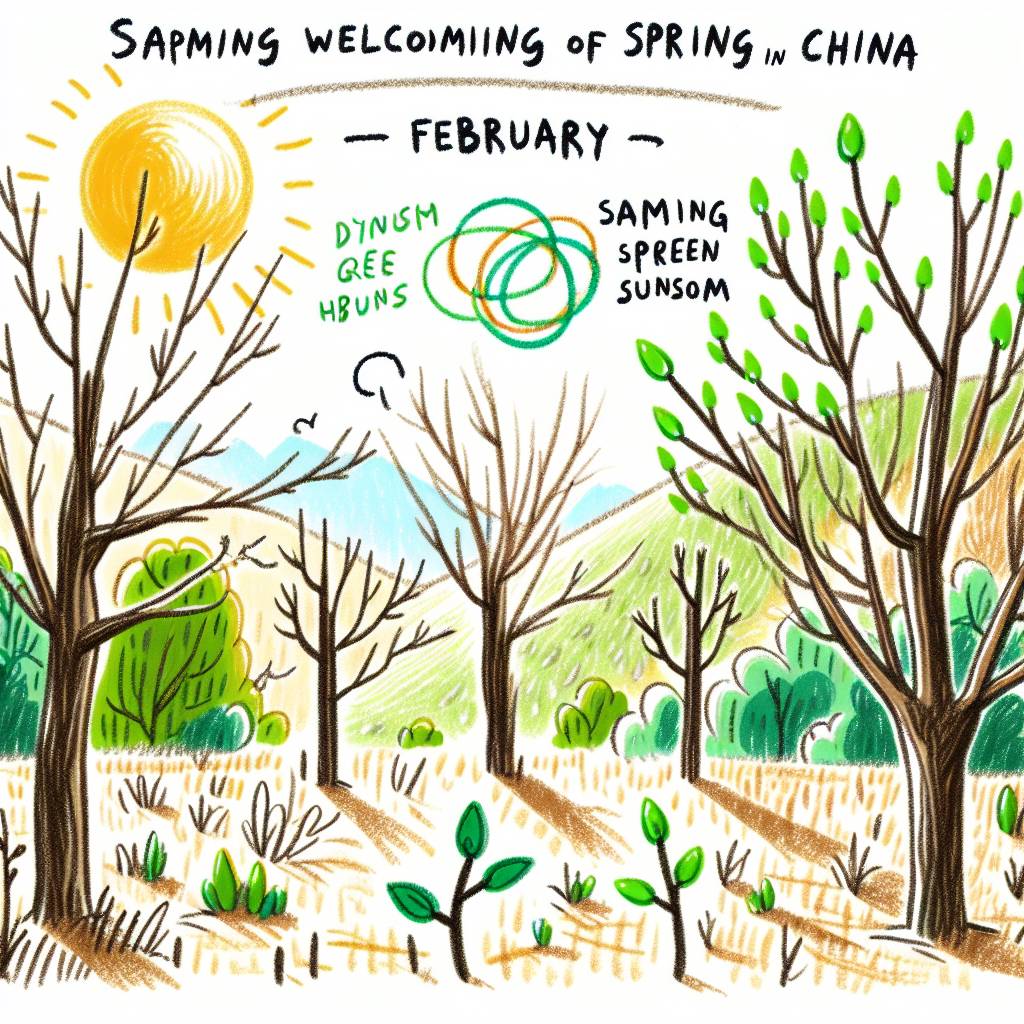
    Spring is coming. Spring is the first season of the year. — 春天来了。春天是一年中的第一个季节。 —

    In China, spring comes in February. — 在中国,春天是在二月来临的。 —

    It is still cold, but it is getting warmer and warmer. — 天气仍然很冷,但是越来越暖和。 —

    The days get longer and longer. — 白天变得越来越长。 —

    The leaves on the trees begin to turn green. — 树上的叶子开始变绿。 —

    Then they come up green leaves in the spring wind on the ground. — 然后它们在春风中在地面上长出绿叶。 —

    Spring is also sowing time season. 春天也是播种的季节。

  • Story 4 Look for a Friend(寻找朋友)

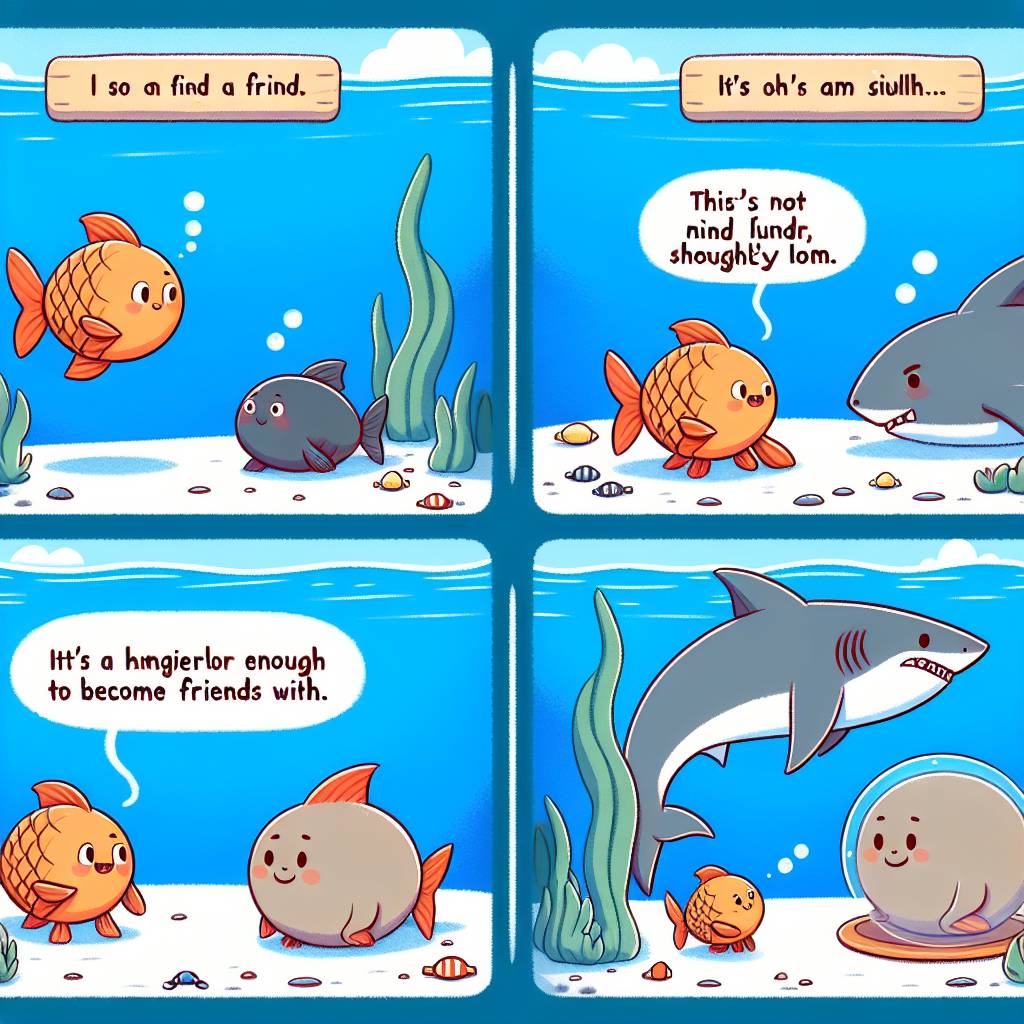
    Sam is a little fish. He lives in the sea. — Sam是一条小鱼。他住在海里。 —

    He is very lonely. He wants to have a friend. — 他非常孤独。他想要有一个朋友。 —

    The friend looks like him. Sam sees an ink fish. — 他的朋友看起来像他。Sam看到了一条乌贼。 —

    The ink fish has eight legs. — 乌贼有八条腿。 —

    He doesn’t look like Sam. So Sam goes away. — 他看起来不像Sam。所以Sam走开了。 —

    Sam meets a shark. He wants to say hello to the shark. — Sam遇到了一条鲨鱼。他想向鲨鱼打招呼。 —

    The shark opens his big mouth. Sam runs away quickly. — 鲨鱼张开了他的大嘴。Sam迅速逃跑。 —

    Sam is tired and hungry. He wants to have a rest. — Sam又累又饿。他想要休息一下。 —

    Then he sees a round fish. She says to him. “Hello! — 然后他看到了一条圆形的鱼。她对他说:“你好! —

    Would you like to be my friend?” Sam answers: — 你想成为我的朋友吗?”Sam回答: —

    “Of course! But you are round. I am flat. — “当然!但你很圆。我是扁平的。 —

    ” The round fish days: “But we are both fishes.” 圆形的鱼说:“但我们都是鱼。”

    Sam thinks and says, “You are right. — Sam想了想,说:“你说得对。 —

    Let’s be friends.” They become good friends. 让我们成为朋友。”他们成为了好朋友。

  • Story 5 The Hippo and I(河马和我)

    A hippo lives in the zoo. I like him very much. — 一只河马住在动物园里。我非常喜欢他。 —

    I often go to see him. He often thinks of me, too. — 我经常去看他。他也常常想起我。 —

    Today is Sunday. It is fine day. I go to see him again. — 今天是星期天。天气很好。我再次去看他。 —

    After I leave the zoo, he follows me to my house. — 我离开动物园后,他跟着我来到了我家。 —

    I give him lettuce, cabbages, bananas, apples and other food. — 我给他生菜、卷心菜、香蕉、苹果和其他食物。 —

    He eats them up. When I sing songs, he stays in the pool. — 他把它们都吃了。当我唱歌时,他待在水池里。 —

    He is as quite as a rabbit. 他像兔子一样安静。

    In the evening, he jumps onto my bed with me. — 晚上,他和我跳上床。 —

    My mum tells him to go home. — 我妈妈告诉他要回家了。 —

    He has to pack his bag and go back to the zoo. — 他不得不收拾行李回到动物园。 —

    My mum lets me see him every week. 我妈妈每周都让我去看他。

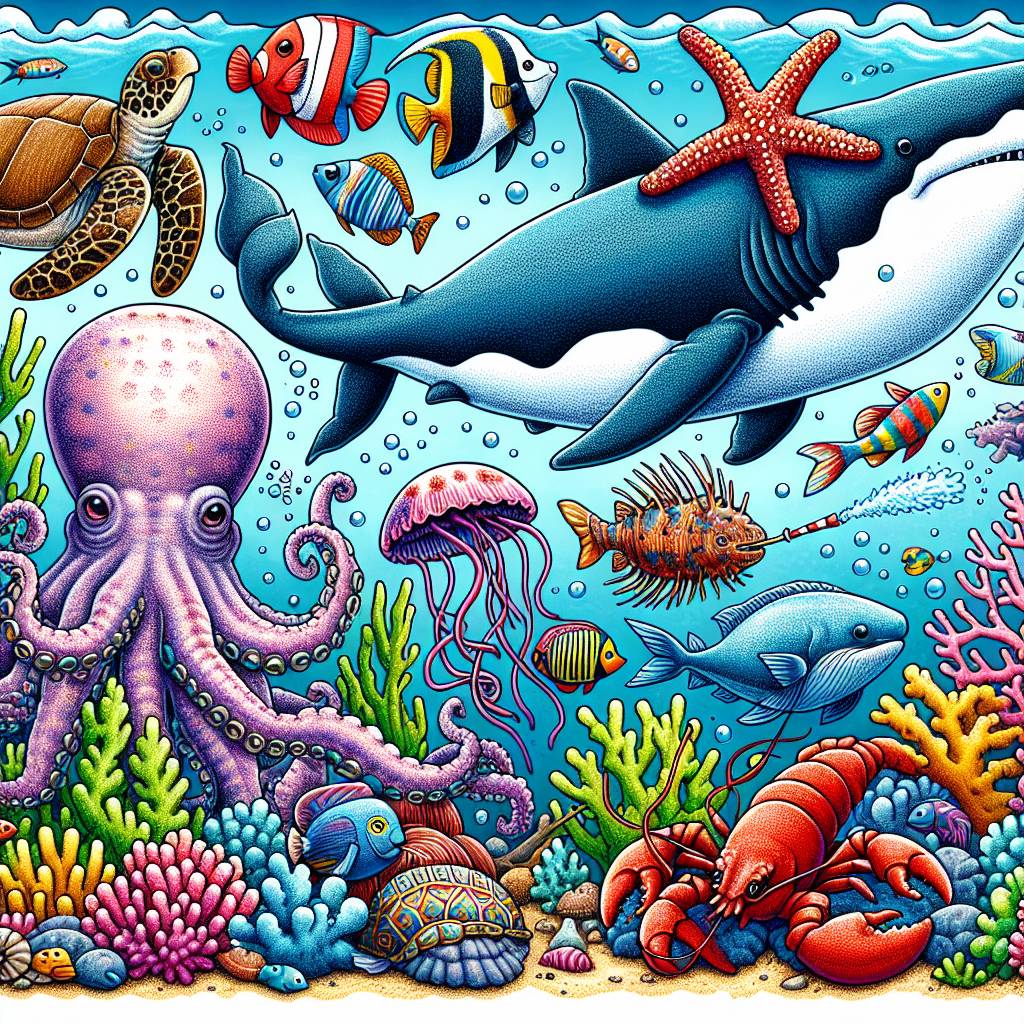
  • Story 6 What Animals are the sea?(海里有什么动物?)

    There are all kinds of animals in the sea. Look! 海里各种各样的动物。看!

    They are coming. 它们来了。

    This is an octopus. The octopus is spraying ink. 这是一只章鱼。章鱼在喷墨。

    This is a shark. The shark has sharp teeth. 这是一只鲨鱼。鲨鱼有锋利的牙齿。

    This is a whale. The whale shoots water into the air. 这是一只鲸鱼。鲸鱼向空中喷水。

    This is a sea turtle. The sea turtle has a hard shell. 这是一只海龟。海龟有一个坚硬的壳。

    These are starfishes. The starfishes have five legs. 这些是海星。海星有五条腿。

    These are angelfishes. The angelfishes have beautiful colors. 这些是天使鱼。天使鱼有美丽的颜色。

    This is a lobster. The lobster has strong claws. 这是一只龙虾。龙虾有强壮的爪子。

    This is a jellyfish. The jellyfish has a soft body. 这是一个水母。水母有一个柔软的身体。

    They are different. But all of them live in the sea. 它们各不相同。但它们都生活在海里。

  • Story 7 naughty Monkey(顽皮的猴子)

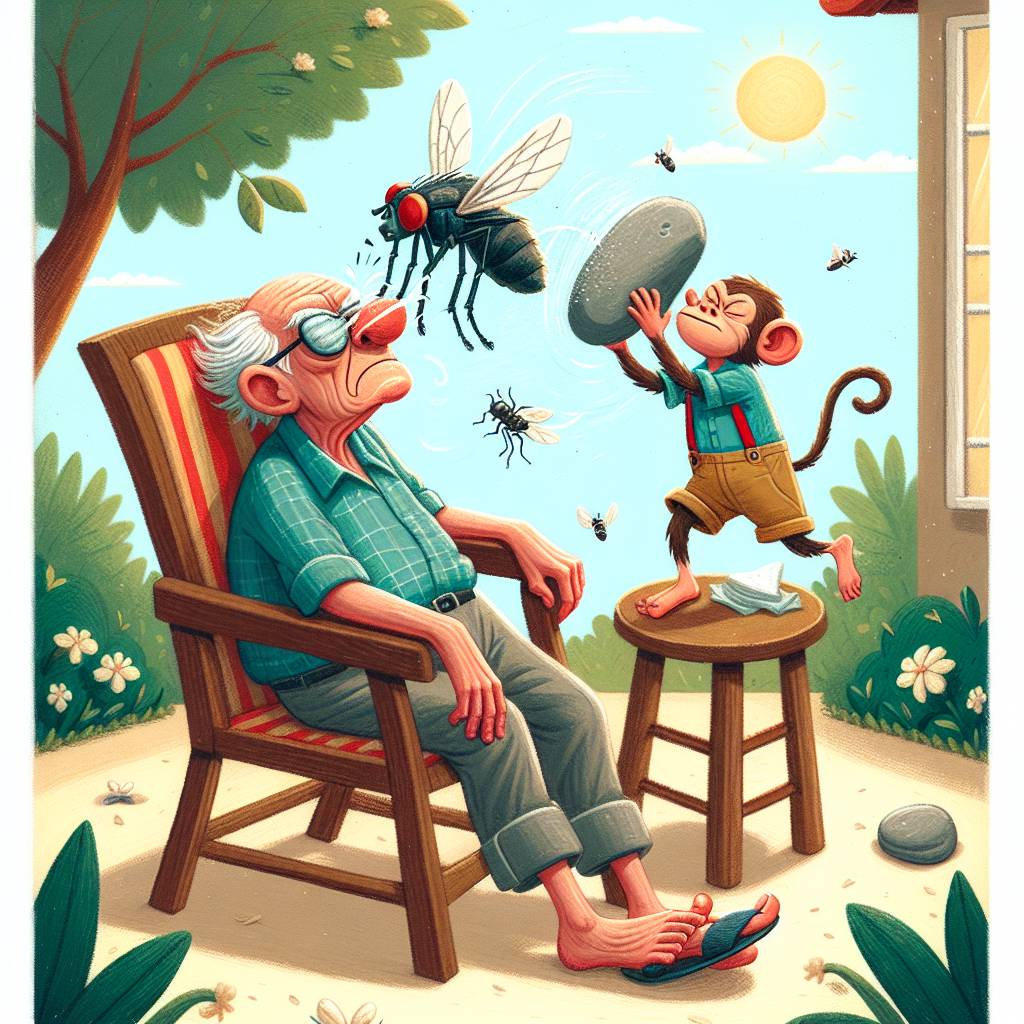
    It’s very hot.. An old man is asleep on the chair. — 天气非常热。一个老人在椅子上睡着了。 —

    A fly comes and sits on the end of the man’s nose. 一只苍蝇飞过来,落在了老人鼻子的末端。

    The old man has a naughty monkey. He chases the fly. 这位老人有一只顽皮的猴子。猴子追赶着苍蝇。

    The fly comes back again and sits on the old man’s nose again. — 苍蝇又飞回来,再次落在老人的鼻子上。 —

    The monkey chases it away again and again. 猴子一次又一次地把它赶走。

    This happens five or six times. The monkey is very angry. — 这种情况发生了五六次。猴子非常生气。 —

    He jumps up, runs to the garden and picks up a large stone. 他跳起来,跑到花园里,捡起一块大石头。

    When the fly sits on the old man’s nose again, the monkey hits it hard with the stone. 当苍蝇再次落在老人的鼻子上时,猴子用石头狠狠地砸了它。

    He kills the fly and breaks the old man’s nose. 他杀死了苍蝇,打破了老人的鼻子。

  • Story 8 A Beautiful Doll(一个美丽的玩偶)

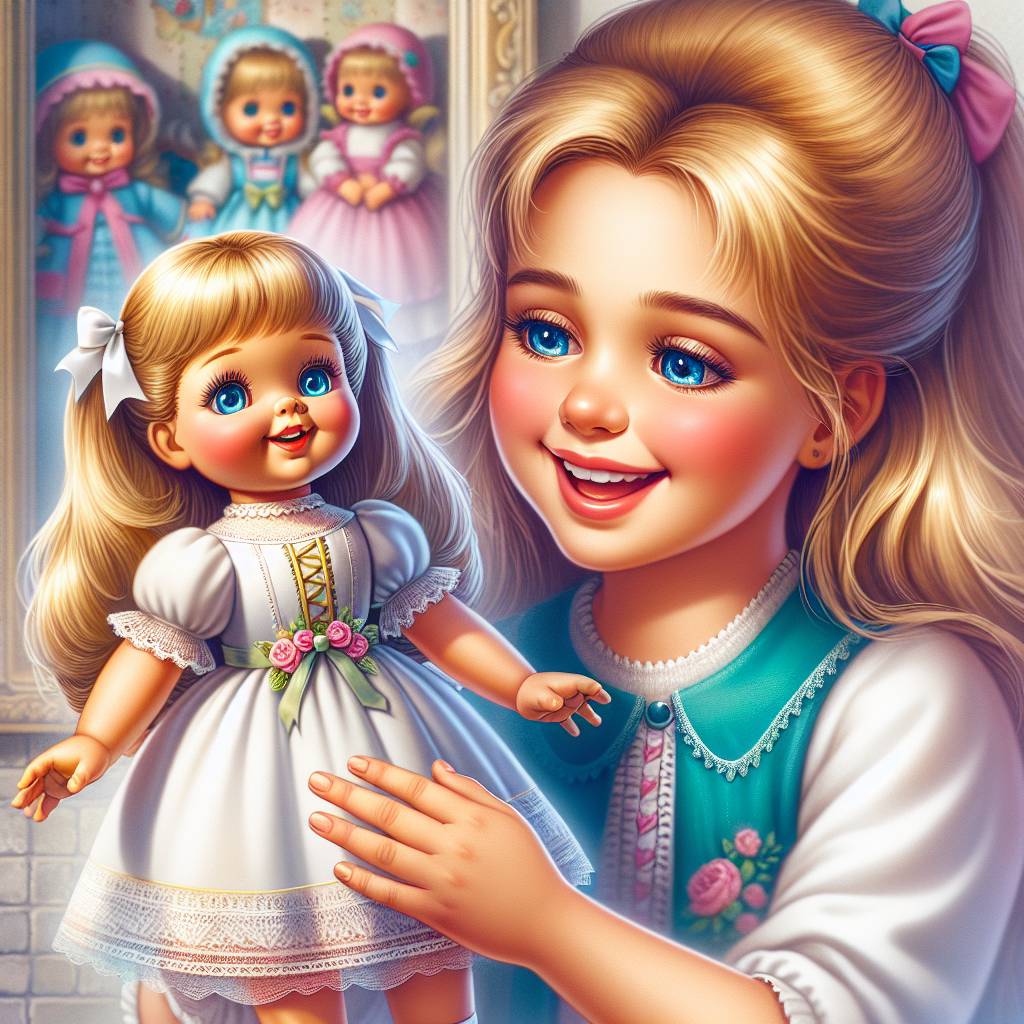
    Tina is a lovely girl. She has a lot of dolls. — 蒂娜是一个可爱的女孩。她有很多玩偶。 —

    One of these dolls is very beautiful. — 其中有一个非常美丽的玩偶。 —

    She has long blond hair and wears a white dress. — 她有一头长长的金发,穿着一件白色的连衣裙。 —

    The little girl likes her very much. — 小女孩非常喜欢她。 —

    She called her “Sandy”. — 她给她起名叫“桑迪”。 —

    You would forget all the sad things and become happy when you see her. 当你看到她时,你会忘记所有悲伤的事情,变得快乐起来。

    Tina tried to teach Sandy to speak, but she failed. — 蒂娜试图教桑迪说话,但是她失败了。 —

    When she is free, Tina always made clothed for her. — 当她有空的时候,蒂娜总是为她做衣服。 —

    When she is unhappy or met with some difficulties, Tina talked to her, because they are close friends. — 当她不开心或者遇到一些困难时,蒂娜会和她交谈,因为他们是亲密的朋友。 —

    What a lovely girl she is! 她是多么可爱的一个女孩啊!

    Do you like her, too? 你也喜欢她吧?

  • Story 9 It’s Good to Walk(走路有益)

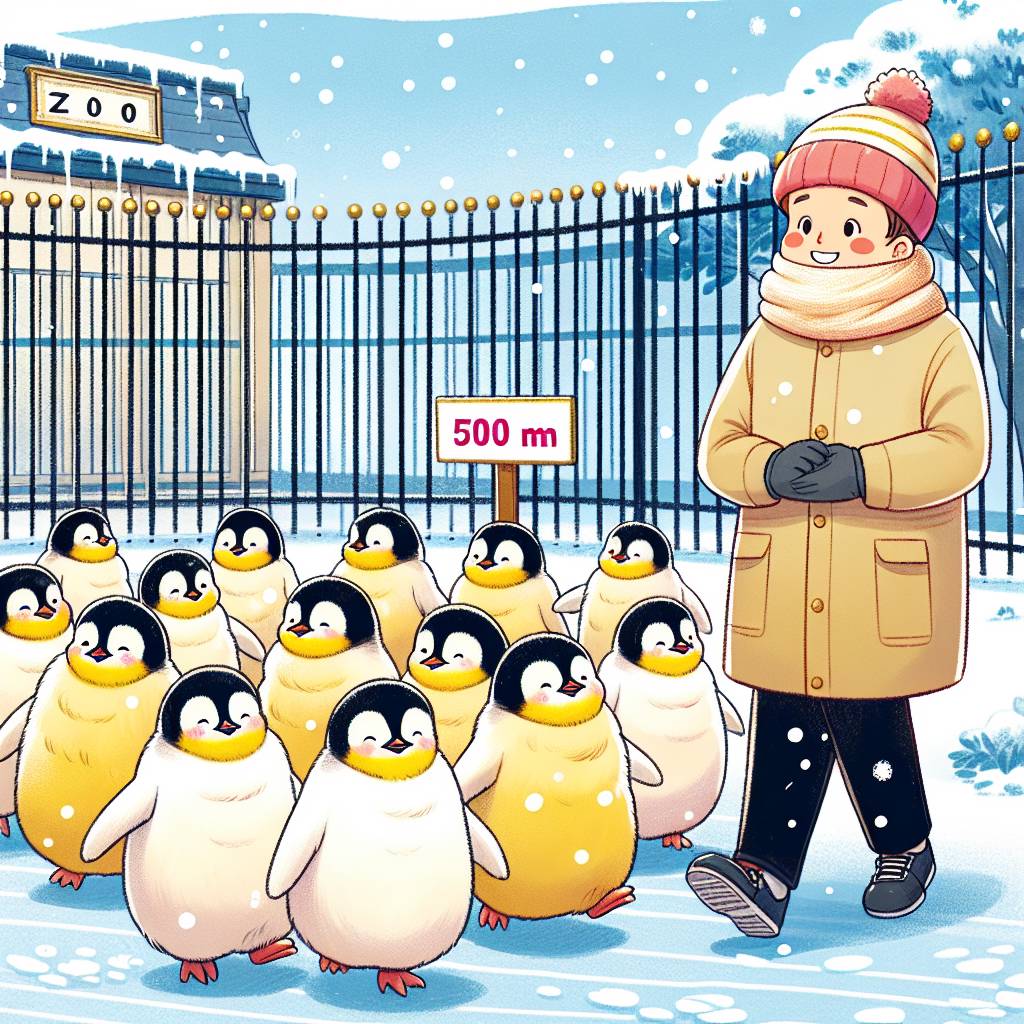
    A group of penguins at a zoo in Japan take a walk to lose weight. — 一群在日本动物园的企鹅通过走路来减肥。 —

    Every day, 15 king penguins there walk 500 meters twice. — 每天,那里的15只国王企鹅会走两次500米。 —

    “Just like human, penguins don’t exercise much during winter. — “就像人类一样,企鹅在冬天不太锻炼身体。 —

    They become fat easily,” says a zookeeper. 它们很容易变胖,”一位动物管理员说。

  • Story 10 The Panda in China(中国的熊猫)

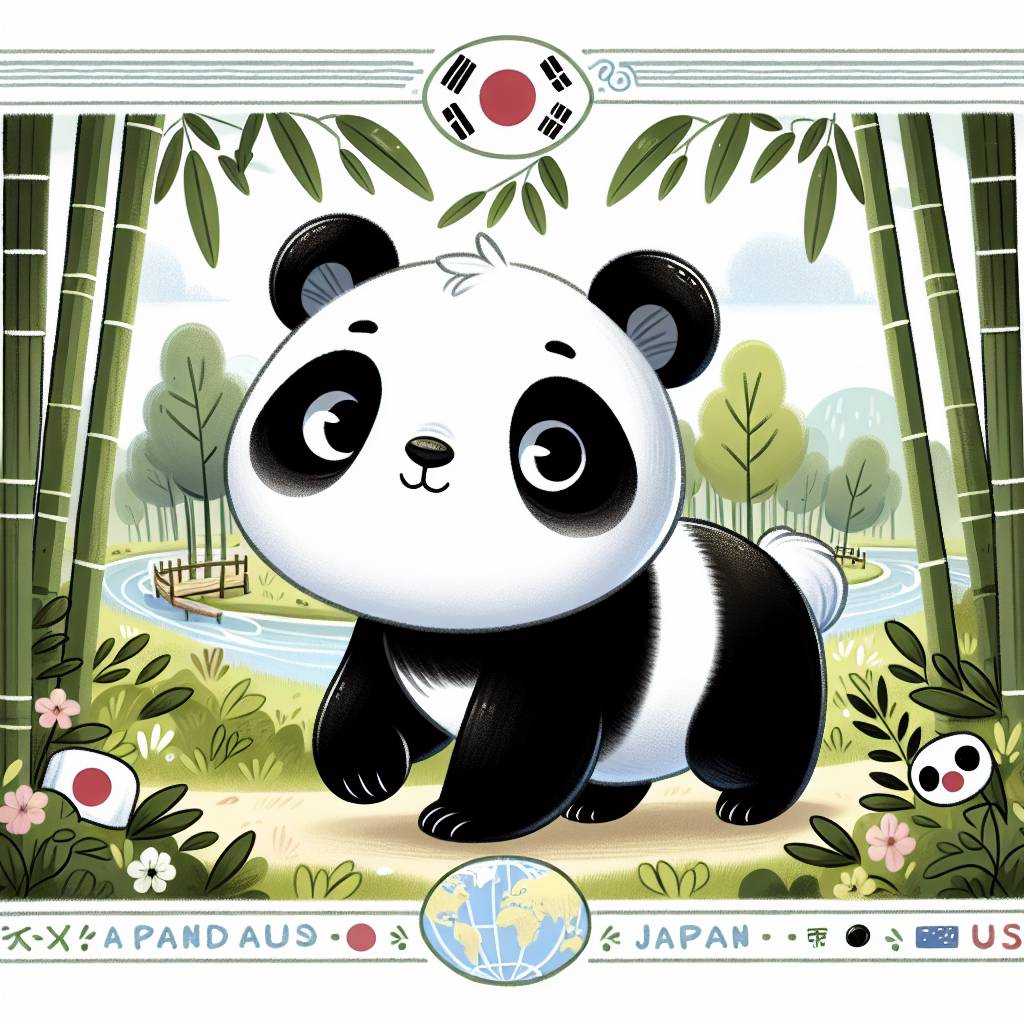
    A panda looks like a little bear. — 熊猫看起来像一只小熊。 —

    It has black and white fur. — 它有黑色和白色的皮毛。 —

    It lives only in China, so it is called the national treasure of China and protected by the law. 它只生活在中国,因此被称为中国的国宝,并受到法律保护。

    We all see panda on TV or in the zoo. — 我们在电视上或在动物园里都可以看到熊猫。 —

    They look stupid and walk slowly, but they are lovely and everyone likes them. 它们看起来笨拙,走路很慢,但它们很可爱,大家都喜欢它们。 A panda is lucky animal. — 熊猫是幸运的动物。 —

    We Chinese like it, and people of the world like it, too. — 我们中国人喜欢它,世界上的人们也喜欢它。 —

    Now there are China’s pandas in many other countries, such as Japan and the USA… 现在许多其他国家也有中国的熊猫,比如日本和美国…

    A panda isn’t a common animal, it is bridge of friendship. 熊猫不是普通的动物,它是友谊的桥梁。